Parents preparing several lunchboxes
You’re looking for portions that are easy to share out across the week. The number of bars, their weight and their packaging matter more than a photo of a bar outside its box.


For a school lunchbox, choose a bar whose ingredients and allergens are suitable for your child and comply with the school’s rules. Then check the weight of each portion and how it is packaged. Compare the nutritional values per 100 g rather than relying on the word ‘cereal’ alone; a BN biscuit is a different kind of snack, so choose it as such. Manger Bouger recommends varying what children have for their afternoon snack and limiting fatty and sugary foods day to day.
You’re looking for portions that are easy to share out across the week. The number of bars, their weight and their packaging matter more than a photo of a bar outside its box.
You want to read the ingredients and compare sugars, fibre, saturated fat and salt per 100 g. The DGCCRF says that using this common basis makes it easier to compare nutritional information.
You need to check the ingredients on every pack and take the school’s rules into account. According to the DGCCRF, allergenic ingredients must be highlighted on the labels of pre-packed foods.
For a school lunchbox, start with the ingredients and any school restrictions. Then check whether the format and flavour suit the occasion.
| Criterion | What to check | Who is this for? |
|---|---|---|
| Ingredients | Compare sugars, fibre, saturated fat and salt per 100 g, then read the ingredients list. | If I’m choosing a snack to put in a lunchbox regularly, I want to know what it contains, beyond its name. Around 34% of consumers would put this criterion first. |
| Easy-to-pack format | Check the number of bars, their weight and whether each portion is individually wrapped. | If I’m preparing several lunchboxes, I want to be able to divide up the bars without repacking them. Around 26% of consumers would put this convenience first. |
| Flavour and texture | Choose a recipe your child will enjoy; try a small box when introducing a new flavour. | A bar left uneaten in the lunchbox isn’t much of a snack, so I take my child’s preferences into account. Around 20% of consumers would prioritise this. |
| Allergens and school rules | Read the highlighted allergens, any precautionary ‘may contain’ warnings and the rules shared by the school. | When an allergy or school rule limits the recipes you can choose, suitability matters more than flavour or format. Around 20% of consumers would make this their main concern. |
Values per 100 g make it easier to compare boxes where the portions differ in weight. If a Nutri-Score is shown, Manger Bouger advises using it to compare products in the same aisle or eaten on the same occasion, while still checking the ingredients list.
Sugar levels vary from recipe to recipe. Kellogg’s France lists 28 g of sugars and 9.9 g of fibre per 100 g for Special K Red Berries. Fibre content alone, then, doesn’t tell you everything about a product.
Compare the nutritional values per 100 g of products intended for the same purpose, then check the weight of the bar you plan to pack.
Two boxes with the same number of bars can contain different total quantities. The formats sold by Carrefour and E.Leclerc show why it’s worth checking both the net weight and the weight of each bar.
Before planning the week’s lunchboxes, also check that each bar is individually wrapped.
Ingredients vary between products, even within the same brand. Recipes containing tree nuts or peanuts need particular care if your child has an allergy or the school has relevant rules.
Read the label on the pack you’ve bought and check the school’s rules before putting the bar in the lunchbox.
The BN product featured on Joybuy is a chocolate-flavoured sandwich biscuit. It’s a different type of product, with a different recipe from a cereal bar, even though it can also be packed as an afternoon snack.
First decide whether you’re looking for a bar or a biscuit, then compare products that match your choice.
The brand offers several bar recipes, including Special K Red Berries and Almonds & Peanuts.
Carrefour’s range includes own-brand cereal bars in a variety of recipes and formats.
E.Leclerc offers Grainea bars in boxes of six, including dark chocolate and red berry recipes.
BN is included here as a filled biscuit option for an afternoon snack, not as a range of cereal bars.
This selection includes two 125 g LU Grany products and three CLIF BAR energy bars in boxes of 12. For a school lunchbox, check the pack to see whether each bar is individually wrapped, and make sure its ingredients meet your child’s needs and the school’s rules.
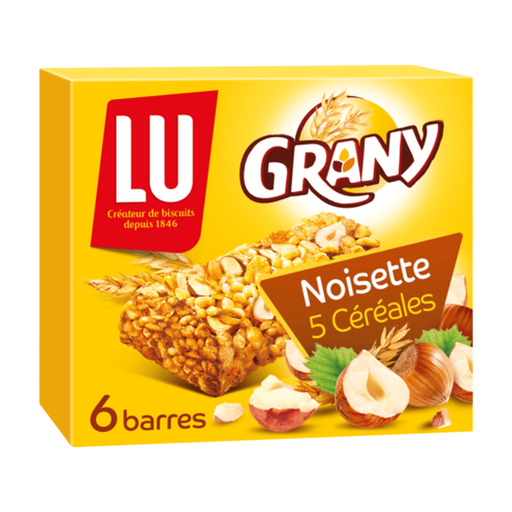 Image unavailable
Worth considering if you’re looking for cereal bars to take with you and want to check their ingredients. The pack weighs 125 g; check the number of bars, whether they’re individually wrapped and the allergens listed on the pack before choosing them for school.
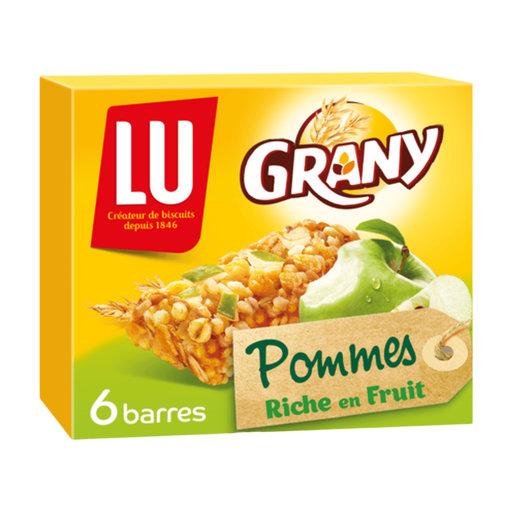 Image unavailable
This apple recipe may be worth considering if your child likes the flavour. The pack weighs 125 g; check the number of portions, how they’re packaged and the full list of allergens before packing these bars in a lunchbox.
 Image unavailable
This energy bar is a different kind of snack to a classic cereal bar. The box contains 12 bars weighing 68 g each; the recipe includes ingredients such as oats, almonds and blueberries. Check the allergens and whether each bar is individually wrapped before packing it for school.
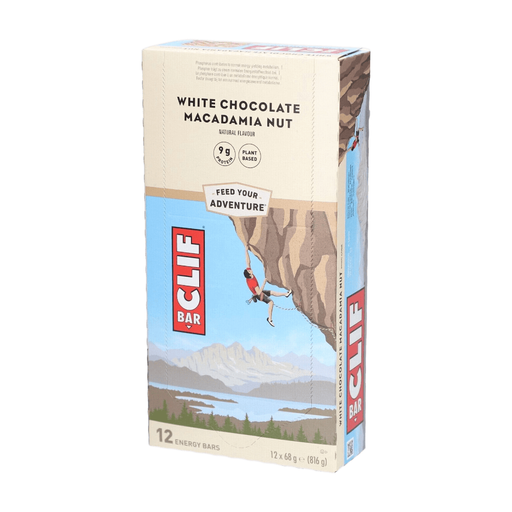 Image unavailable
This energy bar is an option if its recipe suits your child and complies with the school’s rules. The box contains 12 bars weighing 68 g each; the ingredients include macadamia nuts and soya. Check the allergens on the pack and whether each bar is individually wrapped.
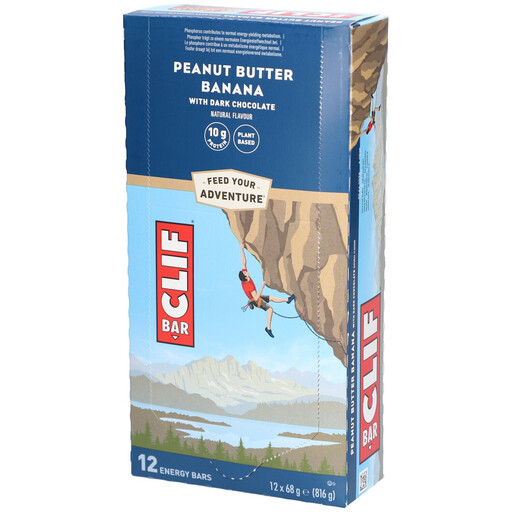 Image unavailable
Only consider this energy bar if its peanut recipe is suitable for your child and complies with the school’s rules. The box contains 12 bars weighing 68 g each; the recipe also includes oats and banana. Read the full allergen information and check whether each bar is individually wrapped.
Compare the nutritional values per 100 g, then check the ingredients list, the weight of each bar and how it’s packaged. The DGCCRF says that presenting nutritional information per 100 g makes it easier to compare products.
When it appears on the packaging, Nutri-Score can help you compare products in the same aisle or eaten on the same occasion, according to Manger Bouger. It doesn’t replace checking the ingredients, allergens and nutritional values.
Read the allergens highlighted in the ingredients list on the pack you’ve bought, as well as any relevant ‘may contain’ warnings for your child. The DGCCRF reminds consumers that allergens must be highlighted on pre-packed foods; you should also check the rules shared by the school.
No. A convenient format doesn’t mean it needs to be the only option every day. Manger Bouger recommends varying what children have for their afternoon snack and limiting fatty and sugary foods day to day. Choose other foods based on what suits your child and what’s practical to pack.