Households preparing several snacks
Whether you’re going out or spending the day at home, the number of bars and the pack weight help you plan the portions you need without building up a stock of flavours no one will eat.


For the school holidays, choose a pack based on how many snacks you’ll need, the total weight and the recipe your household will actually eat. Check the ingredients, allergens and nutritional information for the specific variety before buying several packs; a single bar is not a lunch.
Whether you’re going out or spending the day at home, the number of bars and the pack weight help you plan the portions you need without building up a stock of flavours no one will eat.
A bar that’s easy to take with you is no substitute for checking the ingredients, allergens and nutritional values of the specific recipe, especially before stocking up.
If oats, honey or chocolate are top of your list, compare the pack sizes too: four bars and eight bars won’t cover the same number of snacks.
Start by working out how many snacks you need to prepare, then check that the recipe is suitable for the people who’ll be eating them. If the bars are intended to go with lunch, plan the rest of the meal separately.
| What to consider | What to check | Who is it for? |
|---|---|---|
| How much to buy | Number of bars, total weight and best-before date before buying several packs. | When preparing snacks for several days, I want to know how many portions will actually be used. Around 37% of consumers are said to prioritise getting the quantity they need. |
| Ingredients and allergens | Ingredients, highlighted allergens and nutritional values per 100 g for the specific recipe. | If someone in my household needs to avoid certain ingredients, I check every flavour before buying several packs. Around 36% of consumers are said to put choosing a suitable recipe first. |
| Pack size for days out | Weight per bar and number of portions; check the pack details. | When packing a snack in a bag, I look for a format that’s easy to portion and a recipe my household enjoys. Around 27% of consumers are said to prioritise format and intended use. |
Two packs with the same number of bars can have different total weights. The number of portions also won’t tell you whether the recipe will be eaten during the holidays.
Check the number of bars, total weight and the days you plan to use them together.
The name alone doesn’t tell you how much sugar or fat a bar contains. Manger Bouger recommends limiting foods that are high in fat, sugar or salt, as well as ultra-processed foods.
Compare the ingredients and nutritional values per 100 g for the variety you choose; don’t plan on serving a bar on its own for lunch.
Ingredients vary by recipe. An ECO+ chocolate and banana product listed by E.Leclerc mentions wheat, milk and soya, among other ingredients.
Check the packaging for each flavour. The DGCCRF reminds shoppers that allergens in prepacked foods must be listed and highlighted.
The BN product listed by Carrefour is a breakfast biscuit, not a cereal bar. Its format may not meet the same portioning needs.
Keep these two categories separate when choosing snacks, and check the ingredients of the product you select.
E.Leclerc’s range includes cereal bars in packs of six, including a 126 g apple and apricot variety.
Carrefour offers several cereal bar recipes, including packs of six.
Auchan lists oat bars including a chocolate recipe in a pack of four 40 g bars and a honey recipe in a pack of four sets of two bars, weighing 160 g.
The retailer offers cereal bars from different brands and in a range of recipes, including its own products.
The BN product listed by Carrefour is a breakfast biscuit, not a cereal bar.
These cereal bars come in different recipes and pack weights. To plan snacks for the holidays, start by choosing the flavour and quantity you need, then check the portions and ingredients on each pack.
 Image unavailable
The pack of eight 25 g bars makes it easy to count the portions you’ll need for snacks. Check the ingredients and allergens for the variety you buy before offering it to your household.
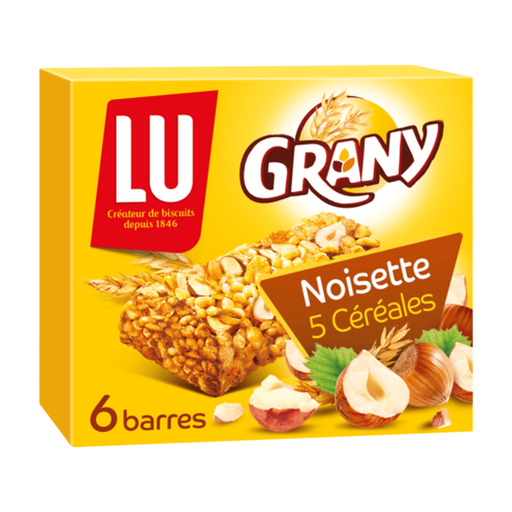 Image unavailable
This hazelnut recipe could be a good choice if you’re looking for this flavour for your snacks. The pack weighs 125 g; check how many bars it contains and the allergen information before planning your portions.
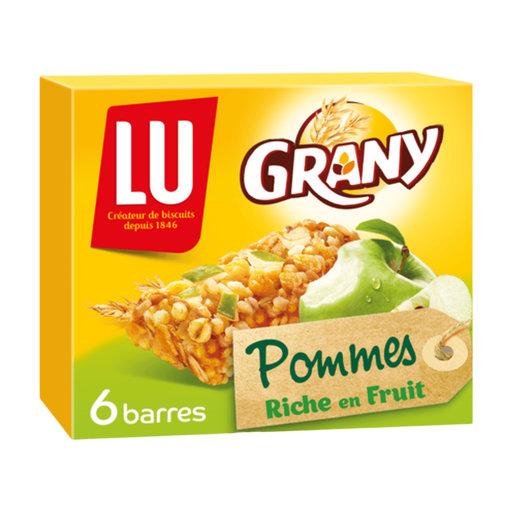 Image unavailable
The apple recipe offers another flavour option for snack time. The pack weighs 125 g; check the packaging for the number of bars, how they’re packed and the allergens in this variety.
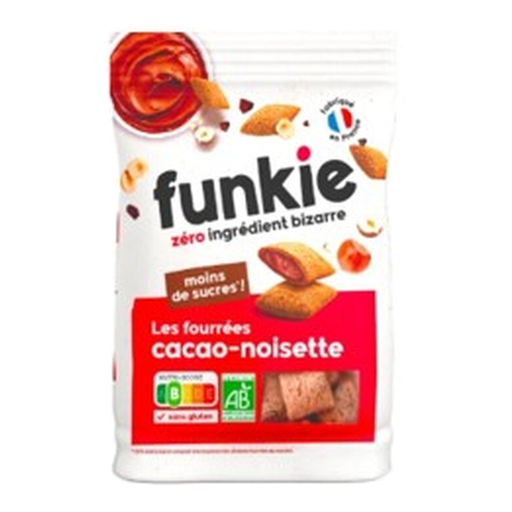 Image unavailable
This 250 g pack is for households looking for a hazelnut and cocoa-filled recipe. Before planning your snacks, check the number of bars and the allergen information on the exact product.
Work out how many snacks you’ll need, then compare this with the number of bars and total weight shown on each pack. Also consider which flavours your household will eat and the best-before date before buying several packs.
Don’t plan on serving a bar on its own for lunch: the available information doesn’t support treating it as a complete meal. If it’s suitable for the child, serve it as part of a snack or a meal, with the other components planned separately.
Read the label for the specific recipe before every purchase, even if you’re only changing the flavour. The DGCCRF says allergens must be listed and highlighted on prepacked foods; an ECO+ chocolate and banana product listed by E.Leclerc mentions wheat, milk and soya, among other ingredients.
First compare the values per 100 g, then check the amount in one bar. The DGCCRF lists fat, sugars, protein and salt among the information included in a nutrition declaration; one value alone isn’t enough to assess the whole recipe.
Follow the best-before date and storage instructions on each pack. Advice for homemade bars, such as a Lidl recipe kept in the fridge, doesn’t automatically apply to shop-bought packaged bars.