
Livraison le jour même ou le lendemain

Qualité garantie

Débloquez vos offres de bienvenue: Livraison GRATUITE | Jusqu'à -80 % | 30 jours d'essai gratuits à JoyPlus
Téléchargez l'application
Whether it’s a breakfast grabbed on the go, a break at the office or a weekend hike, cereal bars are versatile enough for all sorts of occasions. But not every bar serves the same purpose. A fruit bar for a small hunger pang isn’t chosen the same way as a protein bar or a meal replacement.
So before you fill your basket, it’s worth looking beyond the pretty packaging and the marketing claims.
Labels that say “cereals”, “muesli” or “with fruit” don’t guarantee a low sugar content. Syrup, sugar, honey, concentrated fruit and chocolate can all feature heavily in the recipe.
By way of comparison, Nature Valley Crunchy Oats & Honey contain 26.9 g of sugar per 100 g, while LU Grany Wild Berry bars have 33 g per 100 g. These figures don’t make these products unsuitable – they simply help you decide which one fits your intended use.
An energy bar is generally designed to provide carbohydrates in a convenient way before, during or after physical activity. It doesn’t necessarily offer the nutritional variety of a meal.
If you’re looking for a meal replacement, check for protein, fibre, vitamins and minerals, as well as the recommendations on the packaging. The FEED Original Meal Bar Banana Chocolate, for example, boasts 22 g of protein per 100 g and states that it should be part of a varied and balanced diet.
Comparing two products based solely on the packet price can be misleading. A 20 g bar, a 40 g portion and a 68 g bar obviously don’t provide the same amount of energy.
For instance, a 68 g CLIF bar provides around 256 to 265 kcal depending on the recipe, while a 20 g Ovaltine bar gives you 87 kcal. For a break at work, a small format may be more than enough. For a long outing, a more substantial bar will often be better suited.
Ingredients appear in descending order of quantity. For a cereal bar, look at where oats, rice, maize or other grains sit in the list. Also check for syrups, added sugars, oils, chocolate and sweeteners.
A recipe containing nuts or seeds can offer a denser texture and a higher fat content. However, nut bars are not suitable for anyone with a peanut or tree nut allergy. As for “may contain” statements, they’re not there for decoration – take them seriously.
To compare energy bars, protein bars or fruit bars, start with the “per 100 g” column. This puts different formats on an equal footing. Then look at the actual weight of one bar to estimate what you’ll actually be consuming.
The most useful information is as follows:
In France and the European Union, allergens must be clearly stated on the label. In particular, check for gluten, milk, soya, peanuts and tree nuts.
For a snack on the go, go for individually wrapped portions and packaging that can withstand being in a bag or rucksack. Storage conditions also matter: most bars should be kept in a cool, dry place, away from moisture and heat.
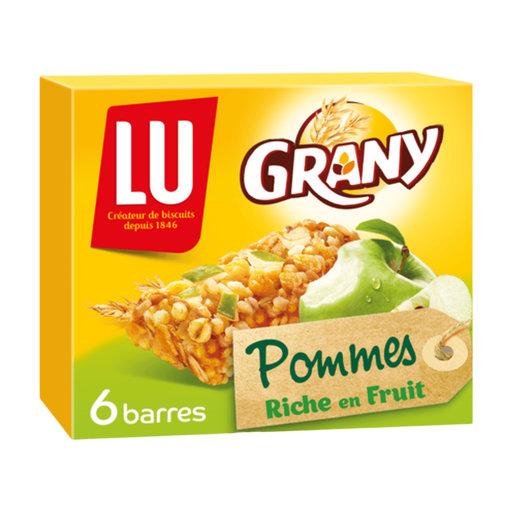
Why this choice suits this profile: This format slips easily into a school bag or can be kept at the office for a daily break. Its recipe combines cereals with pieces of apple.
The labelling clearly details the cereals, apple pieces and nutritional values per 100 g. Just be careful not to mistake it for a protein bar.
12% dried apple pieces and 4.3 g of fibre per 100 g. The product contains gluten and may contain traces of milk and tree nuts.
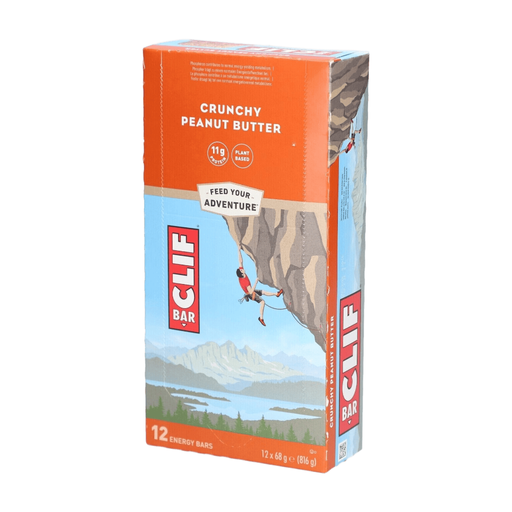
Why this choice suits this profile: With its 12 bars of 68 g each, this pack is aimed at those who want to stock up for cycling, hiking or frequent travel.
The values are given per bar: around 265 kcal, 11 g of protein and 5.2 g of fibre. This portion is far from being a simple little snack.
11 g of protein per bar, with ingredients such as oat flakes, peanuts and soya. Check the allergens before buying.
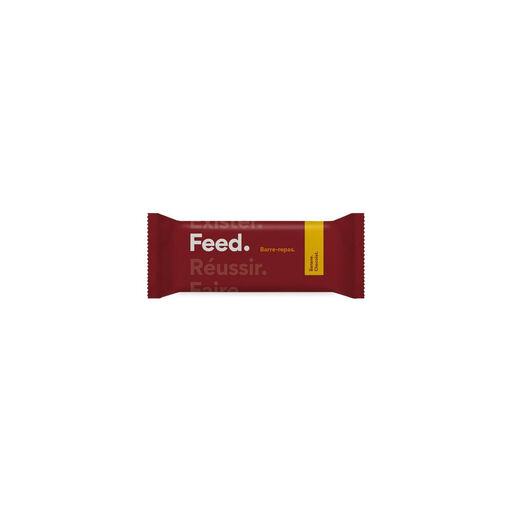
Why this choice suits this profile: Its 100 g format can come in handy on a day without a proper lunch break, during a business trip or an activity where you need a ready-to-eat solution.
It is presented as a meal replacement and details its nutritional composition. That doesn’t mean it automatically replaces all meals or a varied diet.
22 g of protein per 100 g, with banana and chocolate. The product contains gluten and milk; it should be consumed immediately after opening.
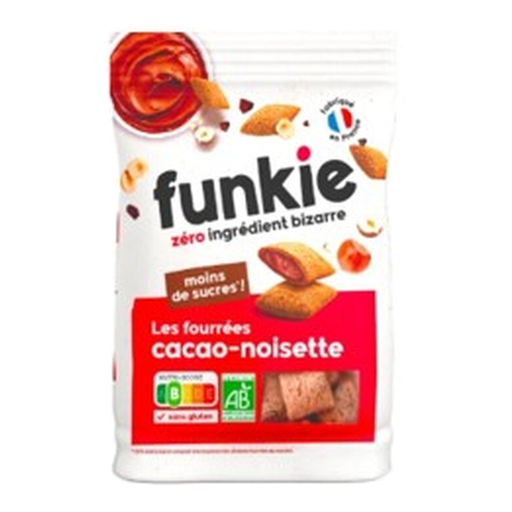
Why this choice suits this profile: This recipe is aimed at people who prefer organically grown ingredients, combining cereals with hazelnut and cocoa.
The product page states a cereal content of 56% and specifies which ingredients are organically grown. The “organic” label doesn’t mean you can ignore the sugar content or the portion weight.
423 kcal, 15 g of fat and 4.2 g of fibre per 100 g. The recipe contains hazelnut, cashew nut and cocoa.
We’ve put together a comprehensive, real-time updated list of products that meet these strict selection criteria and European safety regulations.
For a sports snack, focus mainly on the carbohydrate content, the portion weight and how easy it is to carry. Energy bars of 40 to 68 g can work well during prolonged activity, but their usefulness depends on the duration and intensity of the exercise. As always, test the product during a regular session rather than on competition day.
Not necessarily. A protein bar can supplement your diet or serve as a post-activity snack, but it doesn’t always offer the characteristics of a complete meal. For a meal replacement, check the manufacturer’s recommendations as well as the protein, fibre, vitamin and mineral content.
Follow the date on the packaging and the storage instructions. An opened bar should generally be eaten quickly, especially if it contains a filling or has a soft texture. Avoid products with damaged or swollen packaging, or those that have been heavily exposed to heat.