Parents preparing lunchboxes
Easy-to-share portions matter just as much as the total number of bars. Before choosing a recipe for several days, check that it’s suitable for the children who’ll be eating it and read the allergen information.


For breakfast on the go or lunchboxes to share, choose a pack with a number of portions that suits how often you’ll use it. A large box is only practical if you’ll eat all of its contents. Then check the ingredients, allergens and nutritional information for the specific product, and don’t assume that cereal bars, fruit bars and energy bars are all the same.
Easy-to-share portions matter just as much as the total number of bars. Before choosing a recipe for several days, check that it’s suitable for the children who’ll be eating it and read the allergen information.
If several people will be sharing the same box, compare the number of bars and their weight rather than looking only at the pack’s total weight. Carrefour, Auchan and E.Leclerc offer different pack sizes across their ranges.
A bar that’s easy to carry still needs to be compared with other recipes. The ingredients list and nutritional information let you check things such as sugars, fibre, protein and salt.
| What to compare | What to check | Who is it for? |
|---|---|---|
| Portion sizes | Number of bars and how each portion is packaged. | If you’re preparing several lunchboxes, you’ll want to portion out the bars without having to guess what’s in the pack. Around 36% of consumers prioritise this kind of portion planning. |
| Recipe and allergens | Ingredients list, allergens and nutritional values per 100 g and per portion. | If you need to avoid an ingredient or the recipe’s composition guides your choice, the label for that specific product is key. This is the top priority for around 29% of consumers. |
| Bar size | Net pack weight and the weight of each bar. | To work out what one bar adds to a breakfast on the go, the number of bars isn’t enough: their weight matters too. Around 21% of consumers prioritise comparing portion sizes. |
| Flavour and storage | Exact recipe and date shown on the pack. | If you haven’t tried a flavour before, start with a box your household can finish to avoid ending up with bars no one wants. Around 14% of consumers put this precaution first. |
A pack of eight or ten bars is handy for sharing, but only if everyone who’ll be eating them likes the recipe.
If you’re trying a new flavour, consider starting with a smaller box. If you’re stocking up, check the date shown on the pack.
A cereal bar, a fruit and nut bar and an energy bar aren’t necessarily made to the same recipe or sold in the same portion size.
Compare the ingredients and nutritional values per 100 g and per portion, even when two products carry the same brand name.
The way a recipe is presented doesn’t replace its ingredients list, particularly for bars containing nuts or peanuts.
If someone has an allergy, check the information for the specific product before putting it into lunchboxes.
The brand offers, among other things, nut bars and Special K Protein products.
The retailer offers own-brand bars in a range of recipes and pack sizes.
Its range includes own-brand bars and other brands, including packs of ten bars.
The products shown include P’tit Deli bars in boxes of six.
BN offers, among other things, BN P’tit Dej biscuits and Mini BN, which should be considered separately from cereal bars.
This selection includes oat bars, a fruit and nut bar, and energy bars. When planning lunchboxes, distinguish between packs that state the number of portions in the product name and those where you’ll need to check the pack size.
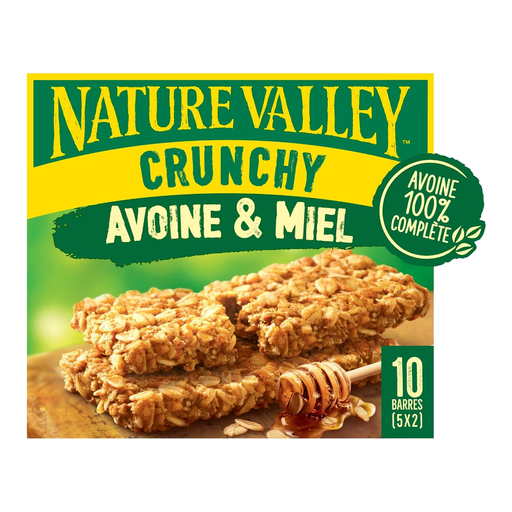 Image unavailable
If you’re looking for oat and honey bars to take with you, this pack of 5 could be a good option. Check how many portions the 210 g pack contains before sharing it between several people.
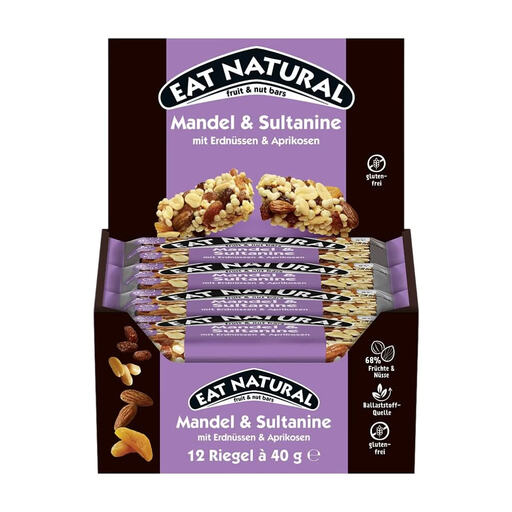 Image unavailable
This almond, raisin and apricot bar is a useful option when comparing fruit and nut recipes, rather than cereal bars alone. If you’re preparing several lunchboxes, check how many bars are in the pack.
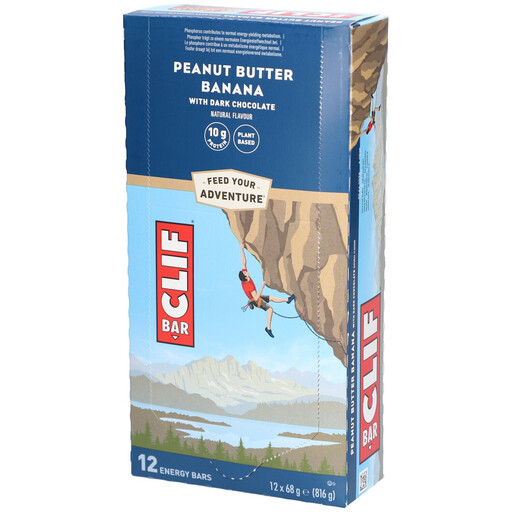 Image unavailable
The pack of twelve gives you bars to take with you over several days. This is an energy bar with peanut butter and banana, so compare its recipe and 68 g portion with the cereal bars you’re considering.
 Image unavailable
This pack of twelve blueberry energy bars gives you a stated number of bars to plan for days out. Each bar weighs 68 g; check the exact recipe if several people will be sharing the pack.
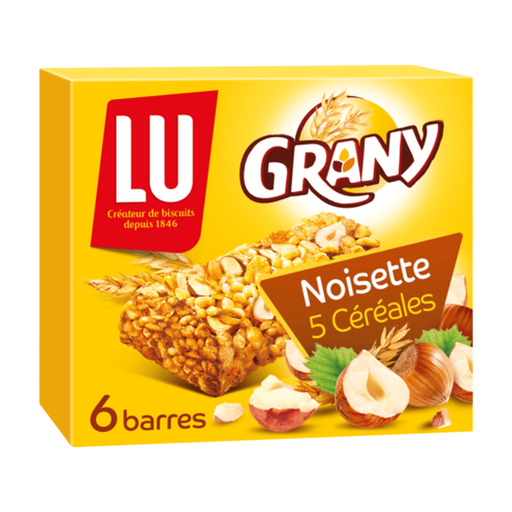 Image unavailable
This hazelnut cereal bar recipe could be an option for breakfast on the go. If you’re preparing portions to share, check how many bars are in the 125 g pack and read the allergen information.
No. Check the net weight and the weight of each bar too. Two boxes with the same number of bars don’t necessarily contain the same-sized portions.
Read the ingredients list and the allergens highlighted for the specific product. The European Commission explains the rules for displaying allergens on prepacked foods. Don’t assume you know what a bar contains from its flavour or brand.
The term ‘cereal bar’ doesn’t give you a clear answer for every recipe and portion size. Read the ingredients and nutritional information for the bar you choose, then consider what else you’re planning to eat for breakfast.
Start with the ingredients list and nutrition declaration. The DGCCRF says this information must appear on the labels of prepacked foods. Nutritional values let you compare things such as sugars, fat, protein and salt.