Runners preparing for long runs
A multipack makes it easier to plan snacks around your training sessions. If you’ll be eating a bar during exercise, check the carbohydrates in each portion too, and consider how it fits into your fuelling plan.


To share snacks while training for a marathon, choose a multipack based on the number of portions, their weight and the recipe’s allergens. If you plan to eat these bars during a long run or the race, check the carbohydrates per portion separately and work out how they fit into your fuelling plan. The number of bars in the pack isn’t enough to establish your hourly intake.
A multipack makes it easier to plan snacks around your training sessions. If you’ll be eating a bar during exercise, check the carbohydrates in each portion too, and consider how it fits into your fuelling plan.
If you’re filling several lunchboxes or sports bags, the number of bars isn’t the only thing that matters: the weight of each bar and whether they’re individually wrapped are important too.
Before sharing a pack, check the exact recipe and its allergens on the packaging. Two bars from the same brand can have different ingredients.
Start by thinking about how you’ll use the multipack: are you preparing snacks to share, or planning to include a bar in your race fuelling? The checks you need to make will differ.
| What matters | What to check | Who is this for? |
|---|---|---|
| Fuelling during exercise | The carbohydrates per bar and how much you plan to eat during the race. | If I plan to eat a bar during a long run, I want to be able to fit it into my fuelling plan rather than rely on the product name. Around 50% of consumers put this calculation first. |
| Sharing out portions | The number and weight of the bars; individual wrappers if they need to be carried separately. | When preparing several lunchboxes and training bags, I need enough portions that are easy to share out. This is the top priority for around 30% of consumers. |
| Recipe and how much you’ll use | The ingredients and allergens, as well as the number of portions that will actually be used. | Before sharing a multipack, I want to choose a recipe that suits everyone concerned without ending up with unused portions. This comes first for around 20% of consumers. |
Neither the product name nor the number of bars in the multipack tells you how many carbohydrates you’ll consume per hour of running.
If you’re thinking of eating one during exercise, check the carbohydrates per portion and factor it into your planned fuelling and hydration.
Two packs of six may contain bars of different weights. A larger multipack may also contain more snacks than you need.
Compare the net weight, the weight of each bar and the occasions when you plan to share them out.
Bars in the same category can contain recipes with different allergenic ingredients.
Check the label on the variant you’ve bought before putting it in a lunchbox or offering it to someone else.
A product name alone won’t tell you the carbohydrates per portion or when you plan to eat the bar.
Check the nutritional information and consider how you’ll use it, rather than relying on the product category alone.
These examples show different pack sizes and recipes to compare; they are not a brand ranking.
The range includes several cereal bar recipes. Carrefour, for example, lists Spécial K milk chocolate in a pack of six 20 g bars.
Carrefour lists several recipes in packs of six, including a dark chocolate option in a 6 × 21 g pack.
E.Leclerc lists Grainea bars in packs of six, with a total weight of 126 g, and several recipes to choose from.
These Joybuy products include multipacks of cereal bars for preparing snacks to take with you, as well as fruit and nut bars, which are a separate category. If you plan to eat a bar during a race, check the nutritional information for the specific product before adding it to your fuelling plan.
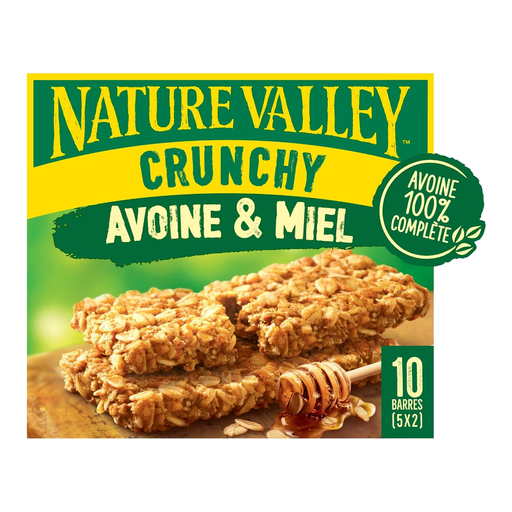 Image unavailable
This pack of five is handy for preparing several snacks to take with you. If you’re thinking of eating a bar during a long run, check the carbohydrates per portion on the product page or packaging, and consider the allergens before sharing.
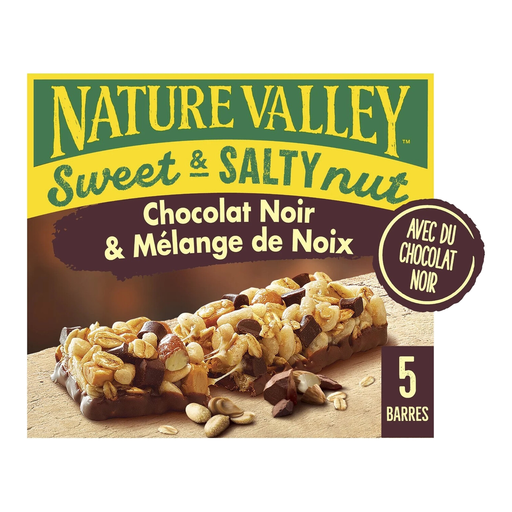 Image unavailable
These nut bars can be shared out as snacks outside of a race. Check the allergens in this recipe before sharing; don’t assume that a pack of five makes them suitable for marathon fuelling.
 Image unavailable
This pack of twelve is handy for planning snacks for several training sessions. If you need to carry each bar separately, check the packaging. For a race, also check the carbohydrates per bar and the allergens in the recipe.
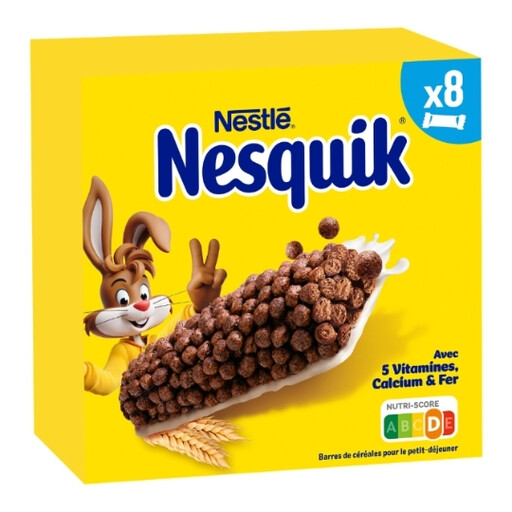 Image unavailable
Eight 25 g portions make it easy to prepare several lunchboxes. To assess whether they’re suitable during exercise, check the carbohydrates per portion on the label rather than relying on the weight of the bar alone. Check the allergens before sharing too.
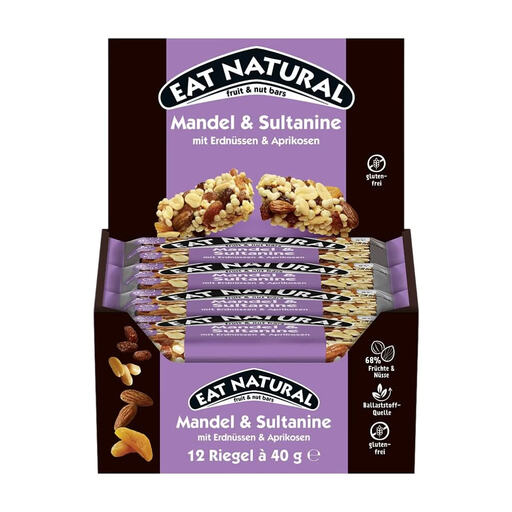 Image unavailable
This fruit and nut bar is a separate category from classic cereal bars. If you’re sharing it as a snack, check the ingredients and allergens in the recipe. If you want to calculate your intake during exercise, use the carbohydrate information on the label.
You can’t tell from the multipack alone: you need to know the carbohydrates per portion and what you plan to eat during the race. A publication referenced by PubMed recommends an intake of 30 to 60 g of carbohydrates per hour for exercise lasting 1 to 2.5 hours. This doesn’t mean you can assume that a particular bar will meet your needs.
Check the number of bars, the weight of each one and whether they’re individually wrapped. Carrefour and E.Leclerc list some products in packs of six; Auchan says the Kellogg's Spécial K milk chocolate product it sells comes in individual wrappers.
Check the label on the variant you’re buying. For prepacked foods covered by the applicable EU rules in France, the European Union requires, among other things, an ingredients list, clear identification of any allergens present and a nutrition declaration.
Yes. Check each product before sharing a pack. Carrefour’s product page for Kellogg's Spécial K milk chocolate lists wheat, oats, milk and soya, among other ingredients, while Kellogg's describes its Almond & Peanut recipes as containing nuts.
Follow the instructions for the product you’ve bought, as they can vary. For the Kellogg's Spécial K milk chocolate multipack it lists, Auchan recommends storing it in a dry place.