Cyclists preparing for a long ride
If you plan to eat while riding, the carbohydrates per bar and the number of portions to take matter more than the number of bars in the box alone. Try the texture and recipe during training, too.


To stock up on snacks, compare the number of bars, their weight and how many you’ll actually use. For an endurance ride, focus on the carbohydrates per bar and try the recipe during training. A 2015 publication referenced by PubMed suggests 30 to 60 g of carbohydrates per hour for exercise lasting 1 to 2.5 hours. A bar can contribute to this intake, but it shouldn’t be your entire fuelling plan.
If you plan to eat while riding, the carbohydrates per bar and the number of portions to take matter more than the number of bars in the box alone. Try the texture and recipe during training, too.
If you’ll use the bars for both everyday snacks and rides, check the number of portions and the weight of each one. Carrefour and Auchan offer multipacks in different sizes, and they’re not all suited to the same purpose.
If you have an allergy or intolerance, check the exact recipe. Depending on the variant, products listed by Carrefour and Auchan include ingredients such as milk, soya, peanuts or tree nuts.
When choosing a multipack for cycling, distinguish between stocking up on portions, fuelling during a ride and snacks for other occasions.
| What to consider | What to check | Who is it for? |
|---|---|---|
| How much to stock up on | Number of bars or packets, and the weight of each portion. | If several people have bars every day, choose a pack size with portions you’ll use; around 36% of consumers prioritise having this quantity available. |
| Carbohydrates during your ride | Carbohydrates per bar and the number of portions planned for the duration of your effort. | If you plan to eat while riding, knowing how much each bar contributes helps you prepare your fuelling plan; this is the main consideration for around 29% of consumers. |
| Ingredients and tolerance | Ingredients and allergens in the exact variant; try the recipe during training. | If you have an allergy or find a recipe difficult to tolerate, you need to be able to rule out a variant that isn’t right for you; around 21% of consumers prioritise this compatibility. |
| Snacks outside exercise | What each bar contains and when you plan to eat it. | If the bar is for a break or after your ride rather than fuelling in the saddle, its ingredients matter for that other use; around 14% of consumers put this first. |
A box may contain smaller bars or packets with several portions. Its size doesn’t tell you how many individual snacks you’ll be able to take with you.
Compare the number of bars, the total net weight and the weight per portion before choosing a pack size.
The wording on the pack doesn’t tell you how many carbohydrates you’ll consume per hour or how well you’ll tolerate the bar during exercise. The 2015 guidance referenced by PubMed relates to carbohydrate intake over a defined period of exercise.
Check the carbohydrates per bar, plan your portions around your ride and try the recipe during training.
Two recipes from the same brand can contain different ingredients. The Kellogg’s products listed by Carrefour and Auchan are examples of recipes with different ingredients.
Check the ingredients and allergens on the packaging of the exact product you’re buying.
A bar you enjoy as a snack may be difficult to chew or hard to tolerate during a ride.
Try the recipe during a training session before choosing a larger multipack for your rides.
You may end up with a large stock that goes mostly unused if the recipe doesn’t suit you while riding.
Carrefour’s range includes Classic’, Sensation, Bio and Simpl bars, with several box sizes available.
The products listed include a 40 g oat and chocolate bar and a 35 g High Protein variant.
Auchan’s range includes Crousty bars in packs of six, as well as other recipes and sizes.
These multipacks can help you stock up on snacks or prepare portions for a ride. If you’re choosing what to eat while cycling, check the carbohydrates per bar, ingredients and how easy each portion is to carry.
 Image unavailable
This pack of 12 bars is handy for preparing snacks for several days or rides. Before adding them to your on-bike fuelling plan, check the carbohydrates per bar, the ingredients and whether you can carry each portion separately.
 Image unavailable
This pack of 12 bars lets you plan several portions in advance. The variant includes macadamia nuts in its name, so check all allergens on the packaging and try the recipe before relying on it as an on-bike snack.
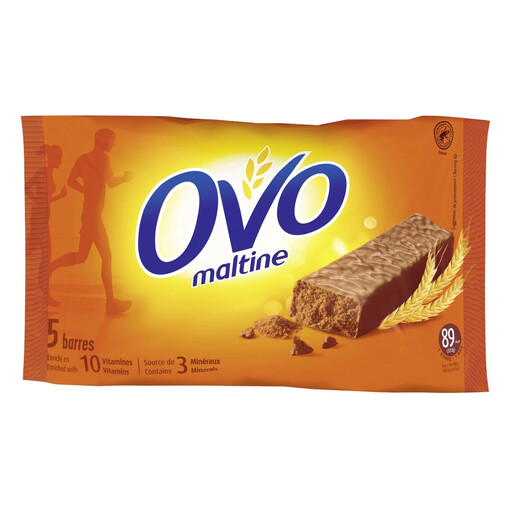 Image unavailable
The five 20 g portions are worth considering as portable snacks. For a long ride, check the carbohydrates per bar rather than assuming a small portion will provide all the fuel you need. Check the allergens, too.
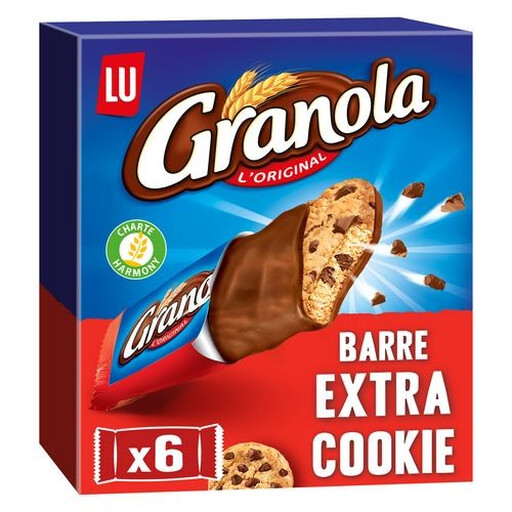 Image unavailable
This pack of six bars can make a handy supply of snacks. If you plan to take them cycling, check the carbohydrates per portion and whether each bar is individually wrapped. If you have an allergy, check the ingredients for this variant.
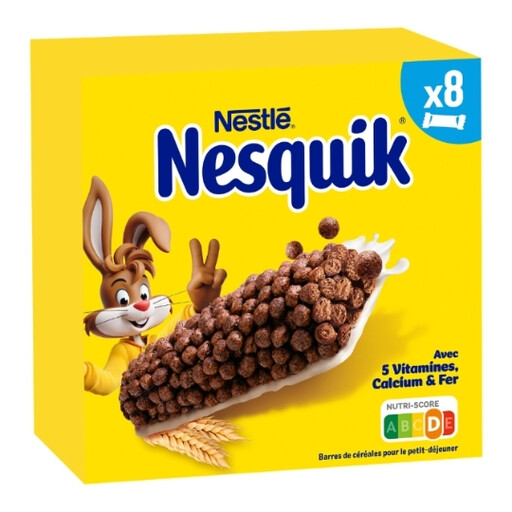 Image unavailable
These eight 25 g bars let you plan ahead for several snacks. If you want to eat them during a ride, check the carbohydrates per bar and whether they’re individually wrapped. Also check the allergens in this recipe.
Not necessarily. Work out how much it contributes by checking the carbohydrates per bar and the duration of your ride. A 2015 publication referenced by PubMed suggests 30 to 60 g of carbohydrates per hour for exercise lasting 1 to 2.5 hours. A bar can contribute to your fuelling, but it won’t automatically cover everything you need. Try the recipe during training.
A “high protein” label alone isn’t enough to help you choose a bar to eat while riding. Check the carbohydrates per portion, ingredients and allergens, and distinguish this use from having a snack outside exercise.
Read the ingredients and allergen information for the exact variant before buying, even if you already know the brand. Recipes listed by Carrefour and Auchan differ and may contain milk, soya, peanuts or tree nuts, depending on the product.
Check the total net weight, the number of bars and the weight of each portion. If you plan to take them cycling, also check whether each bar can be carried separately and whether the pack size matches how many you’ll eat.