Hosts planning one bar per guest
If you want to serve the bars whole, count the people you’ll be serving before choosing a pack size. Packs of six make it easy to count out the portions.


To give each guest a bar and keep some back for lunchboxes, start by counting how many portions you need. A pack of six smaller bars may suit your plans, while a pack of four 40 g bars gives you fewer bars but larger portions. Then compare the weight of each bar and check the exact ingredients and allergen information before sharing the pack.
If you want to serve the bars whole, count the people you’ll be serving before choosing a pack size. Packs of six make it easy to count out the portions.
The number of bars left over matters just as much as the ones served during the evening. Check their weight and, if you need to pack them separately, whether they’re individually wrapped.
If the bars are for several people, check the ingredients, allergens and any ‘may contain’ warnings for the exact product you plan to buy.
For an evening followed by packed lunches, consider the number of portions, the quantity in the pack and whether the recipe suits the people who’ll be eating the bars.
| What to consider | What to check | Who is this for? |
|---|---|---|
| How to divide the portions | Count your guests and the bars you want to keep back; check the number of bars and individual wrappers. | I want to give every guest a portion without cutting the bars, while saving a few for lunchboxes. Around 33% of consumers prioritise this. |
| Pack quantity | Compare the total weight and the weight of each bar, as well as the number of bars. | A pack may contain enough bars but still offer smaller portions than expected. For around 25% of consumers, pack quantity comes ahead of other criteria. |
| Flavour and using leftovers | Choose a recipe that suits how you plan to use the bars and check the size of each portion. | After the evening, I want to be able to use any leftover bars in lunchboxes without changing the recipe. Around 25% of consumers prioritise a product that works for both occasions. |
| Ingredients and allergens | Read the ingredients, highlighted allergens and any ‘may contain’ warnings on the exact pack. | If several people are sharing the pack, I need to know what’s in it before offering the bars. This is the top priority for around 17% of consumers. |
For a guide to pack sizes, Carrefour lists six 21 g bars for its Classic’ Dark Chocolate product; Auchan lists six bars weighing 126 g in its Green Apple Crousty range; and Carrefour also offers Kellogg’s Oat & Honey Crunch in a pack of four 40 g bars. These figures relate to different products, so the portions aren’t interchangeable.
Six 21 g bars and four 40 g bars won’t meet your portion-sharing needs in the same way. The total weight also won’t tell you how many individual bars you can hand out.
Consider the number of bars, their individual weight and the total pack weight together before setting aside bars for the evening and for lunchboxes.
Ingredients and allergens vary between products, even within the same category. Kellogg’s Almond & Peanut recipe, for example, contains peanuts and almonds; the Auchan Green Apple Crousty product information warns that it may contain traces of milk, peanuts and nuts.
Check the label on the exact pack before serving the bars or putting them in a lunchbox.
The range includes different recipes and pack sizes. Compare each one separately according to the number of portions you need and the ingredients you’re looking for.
The Dark Chocolate product gives you a useful point of comparison for multipacks of smaller portions.
The Green Apple Crousty and Organic Chocolate products illustrate two recipes sold in packs of six bars.
E.Leclerc’s range includes several recipes sold in packs of six bars.
BN offers filled snack biscuits and Mini BN, among other products. These are in a related category, but shouldn’t be confused with the cereal bars compared here.
These multipacks offer different numbers of bars and pack weights to consider for the evening and for lunchboxes. The CLIF BAR energy bar is a different category from standard cereal bars, so check that it’s what you want to serve.
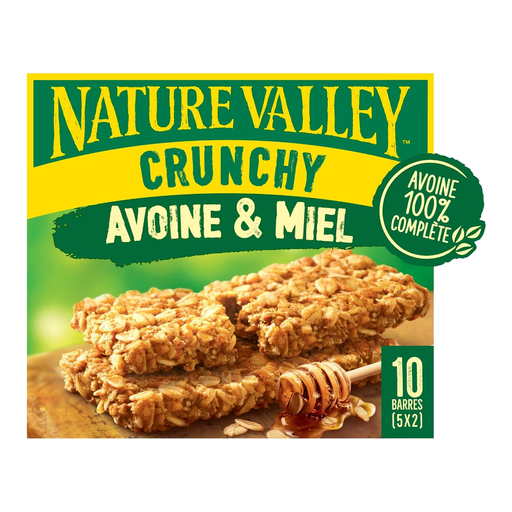 Image unavailable
If you’re planning to hand out individual portions, check how many bars are in each pack. The product name indicates a pack of five with a total weight of 210 g. Before sharing, check how the bars are wrapped and read the allergen information on the pack.
 Image unavailable
With eight bars, it’s easy to count out those for your guests and save some for lunchboxes. Each bar weighs 25 g. If you plan to take them with you or share them, check whether they’re individually wrapped and read the allergen information on the pack.
 Image unavailable
Consider this pack of energy bars if you’re looking for twelve 68 g portions rather than smaller cereal bars. Before choosing it for sharing or lunchboxes, check how each bar is wrapped and read the allergen information on the exact packaging.
Allow one bar for each person you’re serving, then add any you want to keep back. Check the weight of each bar, too: a pack of six smaller bars and a pack of four 40 g bars won’t give you the same number or size of portions.
No. Don’t assume that a recipe will suit everyone based on this indicator alone. When comparing products, also check the ingredients, allergens, nutritional information and net weight on the pack.
Read the highlighted allergen ingredients and any ‘may contain’ warnings on the packaging for the exact product. For prepacked foods in France, the DGCCRF reminds consumers that the ingredients list and nutrition declaration are part of the required labelling information. One recipe from a brand won’t tell you what’s in all its other products.