
Livraison le jour même ou le lendemain

Qualité garantie

Débloquez vos offres de bienvenue: Livraison GRATUITE | Jusqu'à -80 % | 30 jours d'essai gratuits à JoyPlus
Téléchargez l'application
The cereal bar has become the go-to on-the-go snack for our marathon days. Convenient, quick, and often marketed as healthy, it slips easily into any bag. But be warned: behind the colourful packaging lies a nutritional jungle. Not all bars are created equal, and it's all too easy to bite into a disguised candy bar rather than a true wellness ally.
As the Head of Product Recommendations at Joybuy, I spend my time analysing labels for you. My goal: to help you see things more clearly. Let's cut through the marketing jargon and get straight to the point. Here are the pitfalls to avoid and the essential criteria for making an informed choice.
The cereal bar aisle is a veritable marketing minefield. Before you fall for a slick promise, learn to spot these three classic traps.
To ensure you never make a mistake again, just two habits are all you need. They will give you a crystal-clear understanding of what you're about to eat.
The golden rule is simple: ingredients are always listed in descending order by weight.
Don't be mesmerised by the calorie count. Three lines are far more revealing:
The right bar for every profile. Here are a few products that passed our selection criteria with flying colours, each meeting a specific need.
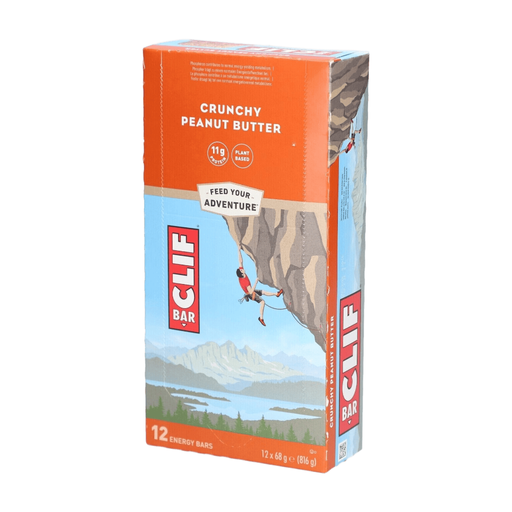
Why we chose it: Designed for athletes, this energy bar combines complex carbohydrates (organic rolled oats) with a solid dose of plant-based protein to sustain long-lasting effort. It's true functional fuel, perfect for before, during, or after your session.
It avoids the "false protein bar" trap by delivering 11 g of protein per bar, a serious amount for recovery. The energy is supplied by brown rice and cane syrups, carbohydrates calibrated for performance.
High in protein (16.2 g/100 g) and fibre (7.6 g/100 g). Its formula is enriched with vitamins and minerals that contribute to a healthy energy-yielding metabolism.
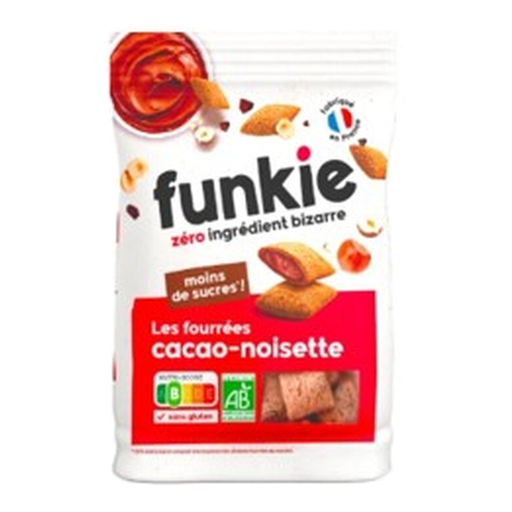
Why we chose it: For those who refuse to choose between indulgence and a clean ingredient list, this organic bar is the solution. It's made from simple, organically farmed ingredients without unnecessary additives.
It sidesteps the "healthy-looking facade" pitfall thanks to its organic certification and a short, clean ingredient list. There's no palm oil here, just sunflower oil and the healthy fats from hazelnuts and cashews.
A 100% organic recipe based on whole grains. Its hazelnut-cocoa filling (16.6%) ensures an authentic, indulgent treat without compromise.
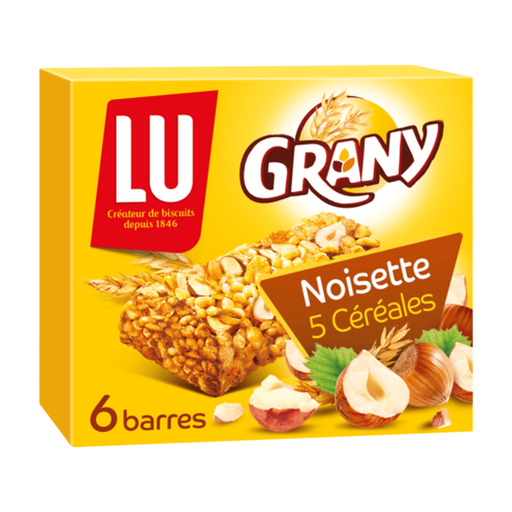
Why we chose it: A classic that the whole family agrees on. It's the simple, effective, and budget-friendly snack to satisfy small cravings. Its individual format makes it the perfect companion for a kid's afternoon snack or an office coffee break.
This bar has the honesty not to pretend to be something it isn't: a diet or performance product. It avoids the over-marketing trap by embracing its status as an indulgent snack to be enjoyed in moderation.
A comforting and familiar taste, a blend of several cereals (oats, corn, rye), and 15% hazelnuts for an unmistakable crunch.
We have analysed and compiled a complete selection of products that meet our selection criteria and regulations.
Although often confused, these terms refer to products with very distinct goals.
As a general rule, the answer is no. A standard cereal bar is still a snack: it provides neither the balance of macronutrients (protein, fat, carbohydrates) nor the richness in micronutrients (vitamins, minerals) of a complete meal. However, there are exceptions: "meal replacement" bars, such as the FEED Original Meal Bar Banana Chocolate, are specifically designed for this occasional use. They are much denser and more nutritionally complete.
To preserve their crunch and flavour, store them in a cool, dry place, away from light and humidity. If the bars are not individually wrapped, once the package is opened, be sure to close it tightly or, even better, place them in an airtight container.