
Livraison le jour même ou le lendemain

Qualité garantie

Débloquez vos offres de bienvenue: Livraison GRATUITE | Jusqu'à -80 % | 30 jours d'essai gratuits à JoyPlus
Téléchargez l'application
A tight feeling after cleansing, redness that appears at the slightest change in temperature, or makeup that settles into dry patches can all be signs of a weakened skin barrier. That’s why ceramides are so sought after in creams, serums and facial cleansers.
However, not all formulas are created equal. A ceramide facial product can be lightweight or rich, fragranced or not, exfoliating, or even combined with active ingredients like retinol. To avoid wasting your money, it’s best to look beyond the promises printed on the front of the bottle.
Simply seeing the word “ceramides” isn’t enough to determine whether a product will suit dry or sensitive skin. It’s worth checking the INCI list and looking at the ingredients that accompany them: glycerin, panthenol, squalane, hyaluronic acid or cholesterol can all complement a routine designed to reduce feelings of dryness.
However, an ingredient’s position on the list doesn’t always reveal its exact concentration. So avoid comparing two products based solely on the number of ceramide types they claim to contain.
A water-based serum slips easily under a moisturiser, whereas an oil often leaves a more enveloping film. A rich cream is better suited to dry areas, but can feel too heavy on combination skin during the day.
The right choice also depends on the climate and your lifestyle in the UK: indoor heating in winter, hard water, exposure to wind or frequent makeup application can all affect the level of comfort you’re looking for.
Reactive skin doesn’t necessarily tolerate every product labelled as “soothing”. Fragrance, essential oils, denatured alcohol, exfoliating acids or retinoids can be poorly tolerated by some people. Read the full ingredients list and do a patch test before applying a new product to your entire face.
Ceramides and hyaluronic acid don’t play exactly the same role in cosmetics. Hyaluronic acid is generally used to retain water on the skin’s surface or within the hydrating film, while ceramides are included in formulas designed to support the barrier function.
Panthenol, allantoin and certain plant extracts are also common in products dedicated to the skin barrier. Their presence doesn’t guarantee the same result for everyone: tolerance, consistency and your overall routine remain key factors.
A 30 ml bottle can be practical for a serum used in small amounts. A 400 ml pot, like a multi-purpose cream, can suit the whole family or be used on the face, hands and body. Also check the storage conditions, expiry date and batch number on the packaging.
To support skin barrier repair in the cosmetic sense, a simple routine is often easier to stick to: gentle cleanser, serum or cream, then sun protection in the morning.
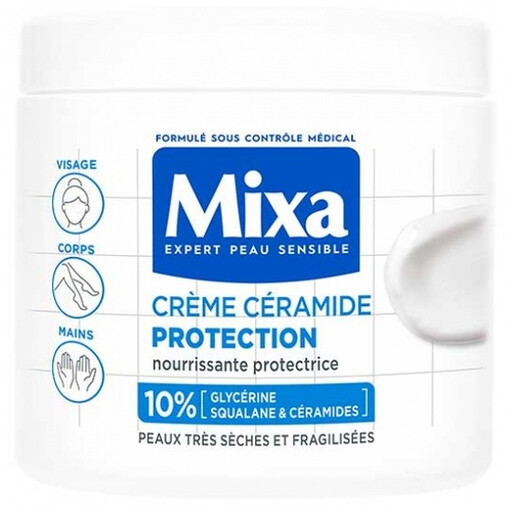
Why this choice suits this profile: Its large format is ideal for a simple daily routine, on the face, hands or body, when the skin is very dry.
Its fragrance-free texture and generous format mean you don’t need to multiply products in your routine.
The formula contains 10% glycerin, squalane and a ceramide derivative listed in the INCI.
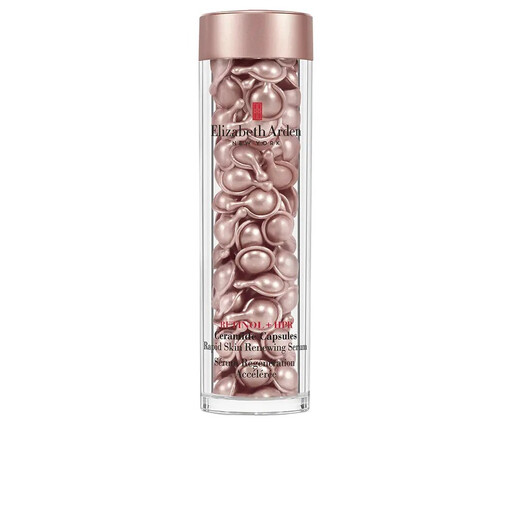
Why this choice suits this profile: The individual capsule format is ideal for those who appreciate a ready-to-use dose in their evening routine.
The label clearly states the presence of retinol and the precautions to take, helping you avoid adding other irritating actives at the same time.
90 individual capsules, with retinol, HPR, a peptide and Ceramide NP in the formulation.
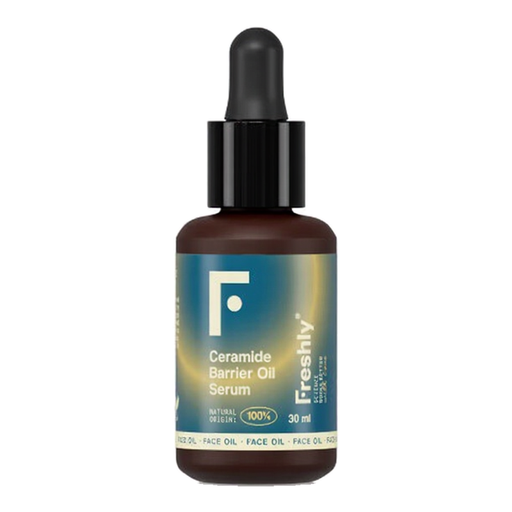
Why this choice suits this profile: In the evening, its oily texture can suit dry skin types looking for a comforting, enveloping final step.
The product page states it is free from silicones, mineral oils and drying alcohols. However, reactive skin types should note the presence of fragrance.
A 30 ml oil-based serum containing Ceramide NP, ectoin and several plant oils.
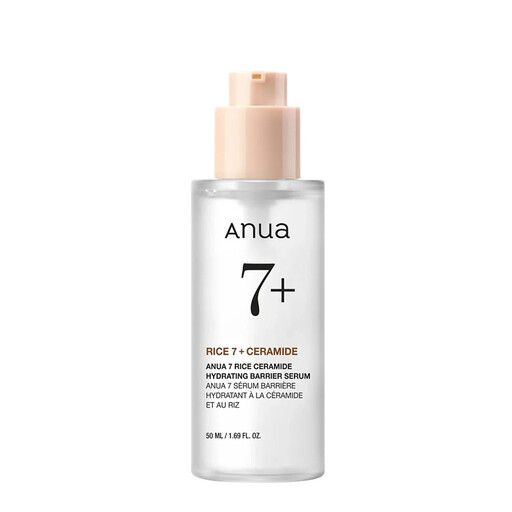
Why this choice suits this profile: Its lightweight texture and the absence of declared fragrance make it easy to incorporate into both a morning and evening routine.
The formulation allows you to identify several hydrating agents, including panthenol, glycerin and hyaluronic acid.
A 50 ml serum formulated with rice bran water, panthenol, niacinamide, Ceramide NP and several forms of hyaluronic acid.
We’ve put together a comprehensive, real-time updated list of products that fully meet these strict selection criteria and European safety regulations.
Start with a ceramide facial cleanser or a gentle wash, avoiding water that’s too hot. Then apply the serum to slightly damp skin, followed by your facial moisturiser. In the evening, an oil can be used as the final step, in a small amount.
Don’t introduce several new products on the same day. If you experience persistent redness, a burning sensation or a significant reaction, stop using the product and seek advice from a healthcare professional. Cosmetic products are not a substitute for medical treatment.
Yes, ceramides are found in many products designed for daily use. However, always follow the manufacturer’s instructions and observe how your skin reacts, especially if the formula also contains fragrance, retinol or acids.
A hydrating serum is often lighter and is applied under a cream. The cream generally provides a more protective and comfortable step. On dry skin, the two can be combined; on combination skin, a single well-tolerated product may be enough.
Refer to the date and batch number on the packaging. Store the product away from heat and direct light. Any change in smell, colour or texture should prompt you to check the product before using it.