
Livraison le jour même ou le lendemain

Qualité garantie

Débloquez vos offres de bienvenue: Livraison GRATUITE | Jusqu'à -80 % | 30 jours d'essai gratuits à JoyPlus
Téléchargez l'application
Skin that feels tight after cleansing, dry patches in winter or discomfort beneath your make-up may lead you to consider ceramide facial skincare. But not every formula meets the same needs. A lightweight serum won’t necessarily replace a rich cream, and fragrance-free isn’t the only factor to consider.
Before buying a ceramide face cream or a serum to strengthen your skin barrier, it’s worth avoiding three common pitfalls.
Simply seeing “ceramides” on the packaging tells you nothing about the texture, concentration or overall balance of the formula. Check the INCI list and look for ingredients that complement their benefits, such as glycerin, panthenol, hyaluronic acid, squalane or certain emollients.
A cream containing ceramides but few humectants may not be enough for dehydrated skin. Conversely, a water-based serum may need to be followed by a cream to help reduce water loss.
Dry skin often benefits from a comforting, cocooning texture, while combination skin may prefer a gel-cream or targeted application. A very rich formula applied all over the face can quickly feel uncomfortable, particularly on the T-zone.
So, for intense facial hydration, consider your routine as a whole: serum followed by cream, or cream alone if your skin responds better to a shorter routine.
Sensitive or compromised skin often calls for soothing skincare for irritated skin without fragrance. However, some products marketed as natural contain fragrance or aromatic compounds. Freshly Cosmetics’ oil serum, for example, lists fragrance as well as several components derived from essential oils in its INCI list.
Also check the directions for use, expiry date and labelling for a responsible person in the European Union. This information can help you check that a product meets the applicable requirements for cosmetics.
Ceramides are lipids naturally found in the outermost layer of the skin. In cosmetic products, they’re used to help maintain skin comfort and support the skin barrier. Their benefits should therefore be considered alongside the rest of the formula.
A serum is generally applied after cleansing, sometimes to slightly damp skin, and before your cream. Use a cream as the final step in your routine, morning and evening, following the manufacturer’s recommendations. Oil-based textures are often best applied sparingly, preferably in the evening.
A cream for dry, sensitive skin should feel comfortable without leaving a heavy film. For dehydrated skin, combining a water-based serum with a moisturiser may be more practical than using a single, highly occlusive formula.
Test the product on a small area before using it for the first time, especially if your skin is easily irritated. Avoid the immediate eye area and stop applying it if you experience redness, itching or persistent irritation. These products are for external use and are not a substitute for medical advice if you have an ongoing skin concern.
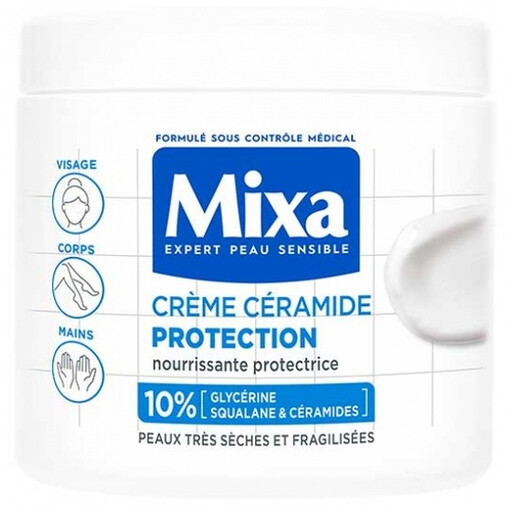
Why it suits this profile : The generous size makes it suitable for a daily routine for the face, hands and body, helping you avoid buying several different products.
The formula is described as fragrance-free and hypoallergenic, helping you avoid overlooking fragrance ingredients.
400 ml, with glycerin, squalane and ceramides listed in the ingredients.
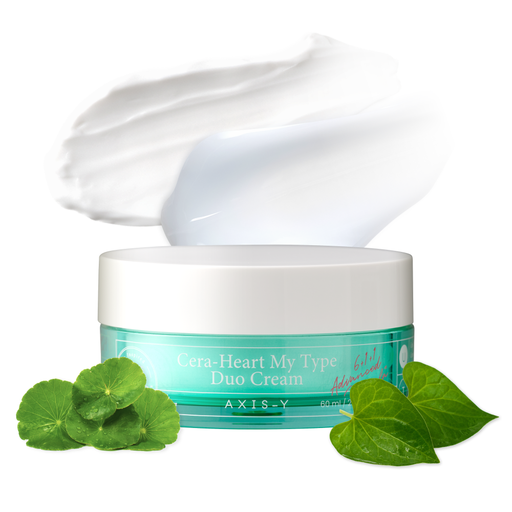
Why it suits this profile : Its dual-compartment design lets you adapt the texture for the oilier T-zone and drier U-zone areas. This is particularly practical for combination skin.
It means you don’t have to apply the same amount of rich cream all over your face, which can feel uncomfortable on combination areas.
Two textures, ceramide NP in the cream for dry areas, and a spatula included.
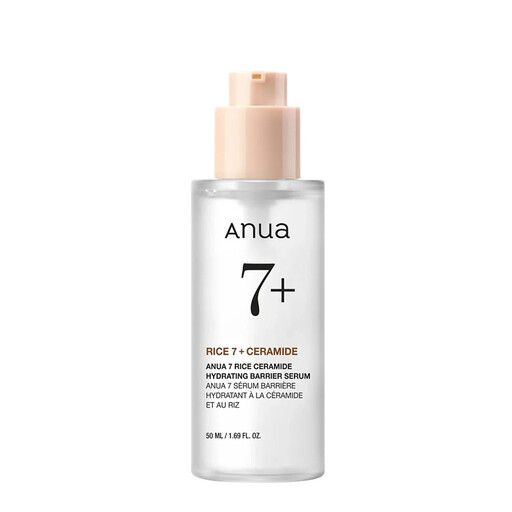
Why it suits this profile : Its serum texture and 50 ml size suit anyone looking to add a targeted step without making their routine feel heavy.
The product details describe a fragrance-free formula containing panthenol, hyaluronic acid and seven types of ceramide.
Recommended for morning and evening use, with claimed fast absorption and niacinamide listed in the ingredients.
We’ve put together a comprehensive selection, updated in real time, of products that meet these exacting criteria and European safety requirements.
Yes, this is a very common combination. Apply the serum to clean skin first, then follow with a cream to boost comfort and help reduce dryness. Adjust the amount to suit your skin type.
It depends on the date shown on the packaging and the symbol indicating how long the product can be kept after opening. Close the container after each use and store it away from heat and direct sunlight. If the smell, colour or texture changes, stop using it.
They’re found in many formulas for dry or sensitive skin, but tolerance depends on all the ingredients in the product. Check the INCI list, choose a fragrance-free formula if possible, and do a patch test before applying it all over your face.