
Livraison le jour même ou le lendemain

Qualité garantie

Débloquez vos offres de bienvenue: Livraison GRATUITE | Jusqu'à -80 % | 30 jours d'essai gratuits à JoyPlus
Téléchargez l'application
Ceramic homeware has plenty to recommend it: warm colours, interesting textures and the ability to fit into Japanese, Nordic, bohemian or rustic décor. But a pretty photo isn’t enough to make the right choice. A plate that’s too big for your cupboards, a dish that isn’t oven-safe or a vase that leaks can quickly turn a good deal into a purchase you regret.
Before you start comparing ceramic dinnerware, mugs, cookware or decorative items, take the time to check three points that are often overlooked.
For dinnerware and kitchen utensils, look for a clear indication of food-contact safety. When it’s stated on the product page, a ceramic that is lead-free and cadmium-free is a good sign. On the inside, a smooth glaze makes cleaning easier and stops residue from sticking.
Bear in mind, though, that a manufacturer’s claim doesn’t necessarily mean independent certification. Before you order, check the product page, the seller’s information and the usage instructions.
Dishwasher- and microwave-safe dinnerware makes everyday meals much simpler. For oven cooking, make sure the product is designed for that purpose and stick to the maximum temperature stated. Avoid thermal shock: don’t put a cold container into a very hot oven, and let it cool down before washing it.
Ramekins, baking dishes and plates may have different compatibilities. A plastic lid with a date dial, for example, must be removed before going in the oven.
For a stoneware dinner set or a collection of ceramic bowls and plates, measure the depth of your cupboards and check the dimensions of your dishwasher. Stackable pieces are especially handy in small kitchens.
For drinks, go with your habits: small Japanese teacups are ideal for short tastings, while ceramic mugs of 400 ml are better suited to coffee, hot chocolate and large herbal teas. In the kitchen, a 3.5-litre casserole dish works well for soups and stews. On the other hand, a non-magnetic model shouldn’t be placed directly on an induction hob.
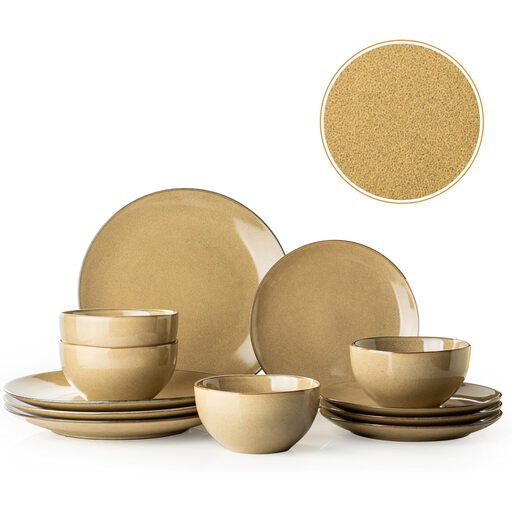
Why this choice suits this profile: This four-person set brings together dinner plates, salad plates and bowls in one order. Its corn-yellow shade adds a warm touch to the table.
The set’s composition and the stated dimensions let you check exactly what you’ll receive before buying. Microwave and dishwasher compatibility is also listed.
12 pieces for four people, ceramic stated to be lead- and cadmium-free, glazed finish and dishwasher-safe care.
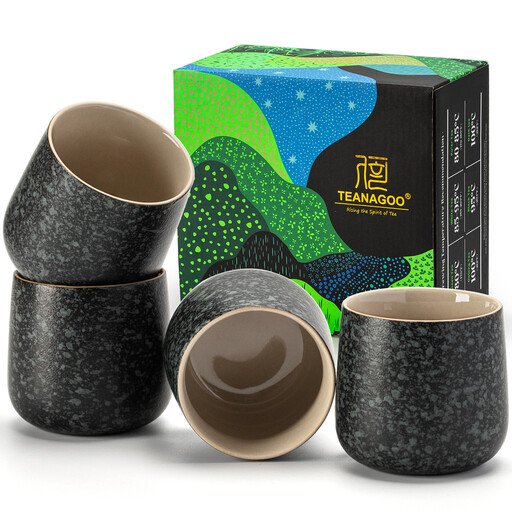
Why this choice suits this profile: Their textured exterior and glazed interior fit perfectly with minimalist or Japanese-inspired décor. These cups work well for tea, coffee and certain cold drinks.
The 205 ml capacity and the four-piece format are clearly stated. The product page also specifies compatibility with the oven, freezer, microwave and dishwasher, while recommending gentle washing to preserve the texture.
Smooth interior, stable base, gift packaging and ceramic stated to be lead- and cadmium-free.
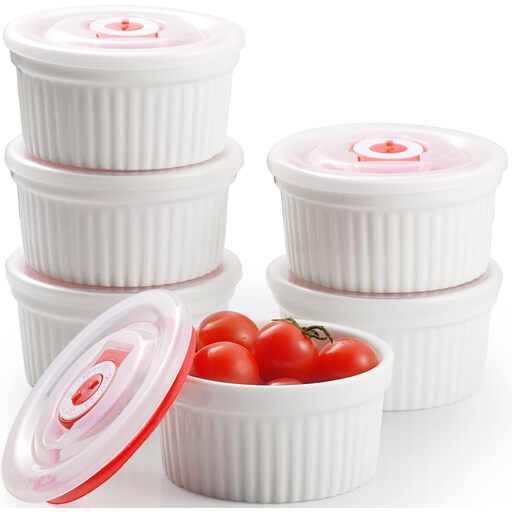
Why this choice suits this profile: Baking enthusiasts, those who love individual portions and fridge storage can use these oven-safe ramekins for crèmes, soufflés, sauces, starters and desserts.
The product page clearly distinguishes between the uses of the ceramic and those of the lids. The lids are not oven-safe and must be used within their temperature range.
Six containers of approximately 237 ml, with stated compatibility with the oven, microwave, freezer and dishwasher for the ramekins.
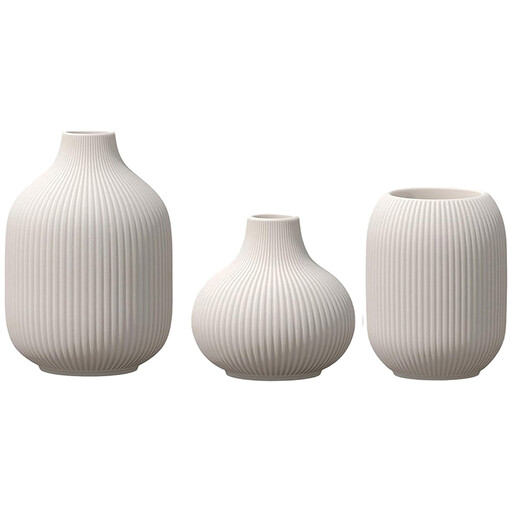
Why this choice suits this profile: The three sizes let you create a display on a shelf, coffee table or console in a modern, bohemian or rustic style, with or without dried flowers.
The number of vases and their dimensions are specified in advance, so you won’t receive a single piece that’s smaller than expected. For fresh flowers, check that the interior coating is water-resistant.
Three different heights, a ribbed texture, a neutral colour and packaging described as gift-ready.
We’ve put together a comprehensive, real-time selection of products that meet these exacting criteria and European safety regulations.
It depends on the model. Look for both of these indications on the product page and check the instructions regarding metallic decorations, lids and temperature changes. Even when compatibility is stated, you should still avoid thermal shock.
Ceramic refers to a large family of fired materials. Stoneware is generally dense and well suited to everyday dinnerware, while porcelain has a finer body, depending on its manufacturing process. When making your choice, focus mainly on the intended use, thickness, finish, dimensions and the compatibilities listed.
A dinner set, a set of mugs, ramekins or decorative vases are home gift ideas that are easy to personalise. To avoid any unpleasant surprises, go for a clearly stated size, simple care and a style that’s neutral enough to fit into different homes.