
Livraison le jour même ou le lendemain

Qualité garantie

Débloquez vos offres de bienvenue: Livraison GRATUITE | Jusqu'à -80 % | 30 jours d'essai gratuits à JoyPlus
Téléchargez l'application
A cup or mug often accompanies several moments of your day: morning coffee, afternoon tea, hot chocolate, a break at the office or serving at the table. Yet a pretty picture alone isn't enough to make the right choice. An uncomfortable handle, a poorly suited capacity or a fragile design can quickly turn an appealing purchase into an impractical object.
This guide helps you compare ceramic cups and mugs based on their use, capacity, care and style, without letting marketing be your only guide.
A mug of 320 to 415 ml is generally suitable for a long coffee, a tea or a generous hot chocolate. Conversely, an espresso cup of 10 to 14 cl is designed for a small serving. Choosing a cup that's too large for an espresso can spoil the presentation and cause your drink to cool faster.
For everyday use, always check the capacity in millilitres rather than relying on vague descriptions like "large cup" or "generous size".
Original mugs, humorous models, licensed items and manga-inspired designs can make great gifts. But a printed design won't tell you whether the cup is dishwasher or microwave safe.
Care instructions vary from one model to another. The Marvel Stor mug, for example, recommends hand washing unless stated otherwise, to preserve its design. The Wednesday reactive mug also needs gentle cleaning to protect its thermosensitive coating. So always check the product page before ordering.
A handle that's too thin, too small or poorly positioned can make the cup uncomfortable to use, especially with a hot drink. For a coffee mug intended for the office or home, check the overall dimensions, weight and handle shape. For handleless cups, such as some Japanese models, the outer texture and size play a key role in how well you can hold them.
Here are some practical guidelines:
A cup set can be more practical than a single piece when entertaining or matching your tableware. Boxes of four or six pieces also make replacement easier in case of breakage.
Ceramic covers several types of material. Porcelain is often associated with a thinner wall and a more uniform appearance, while earthenware and terracotta bring a warmer, sometimes bistro-style feel.
Don't automatically judge a cup's durability from its material alone. Check the pictograms and instructions regarding:
Even when a product is advertised as compatible with several appliances, avoid pouring boiling liquid into a cold cup or placing a hot cup on a cold, wet surface. Regularly inspect for chips, cracks and sharp edges.
For a cup intended for drinks, look for a product page that clearly states food use and care instructions. Compliance information and the identity of the responsible person within the European Union should appear on the product page or its packaging.
For a café, hotel or restaurant, the frequency of washing and the durability of the design are particularly important. Some models are presented as suitable for public establishments, but it remains essential to follow the manufacturer's recommendations.
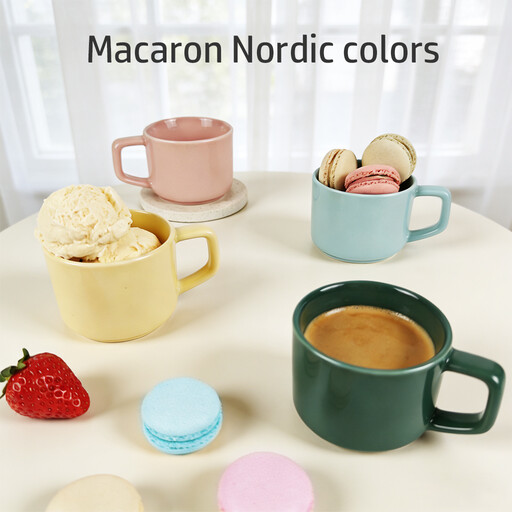
Why this choice suits this profile: Four pastel colours, a compact size and multiple possible uses to start a collection without buying lots of individual pieces.
The 120 ml capacity is clearly stated, which avoids confusing an espresso cup with a large mug.
A set of four pieces, ceramic suitable for food contact according to the product page, and compact storage.
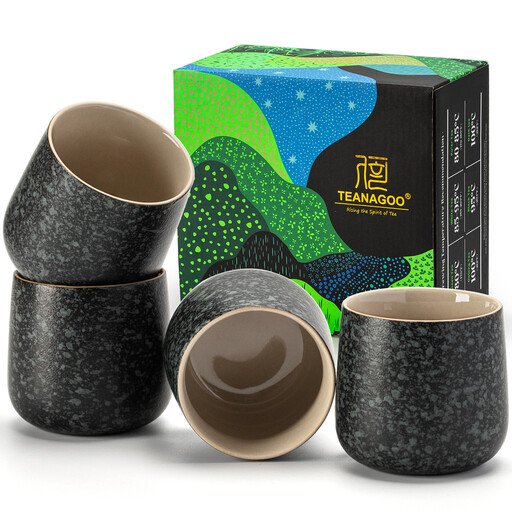
Why this choice suits this profile: The textured outer finish and glazed interior offer a refined presentation, suitable for tea, coffee or sake.
The capacity, number of pieces and stated compatibilities are detailed on the product page, rather than relying on appearance alone.
A set of four cups, a smooth interior, a textured exterior and packaging designed for gifting.
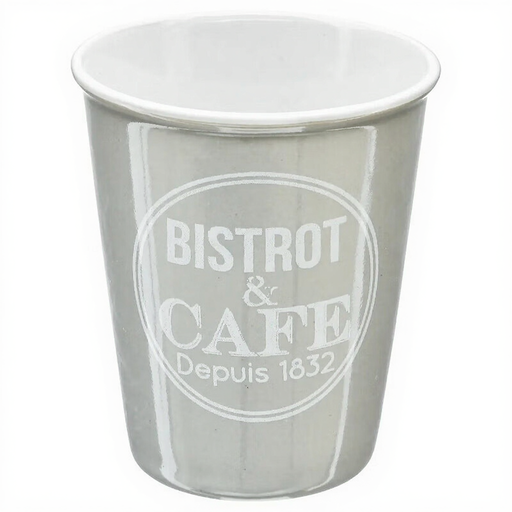
Why this choice suits this profile: Its 10 cl size is ideal for serving espresso, and the six-piece set suits families, cafés, restaurants and hotels.
The product page specifies the capacity, dimensions, number of cups and dishwasher compatibility.
A 10 cl bistro size, six pieces and a gift box for regular service or to treat a coffee lover.
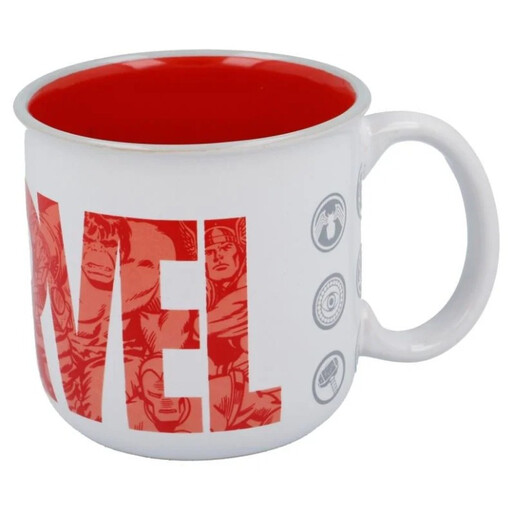
Why this choice suits this profile: This licensed Avengers white ceramic mug features a design instantly recognisable to Marvel fans, with a capacity suited to breakfast.
The instructions recommend hand washing and precautions to avoid thermal shock – details often overlooked when buying a decorative mug.
A 415 ml capacity, ceramic construction and an officially licensed Avengers design.
We've put together a comprehensive, regularly updated list of products that meet these strict selection criteria and European safety requirements.
Ceramic can easily handle everyday use, as long as you avoid knocks. Wash the cup before its first use, use a non-abrasive sponge and avoid sudden temperature changes. A personalised mug or a decorated model will generally keep its appearance better if you follow the washing instructions.
Don't pour boiling liquid into a cold cup. Don't place an item in the oven or microwave if this compatibility isn't explicitly stated. Finally, replace any piece that has a crack, a deep chip or a weakened handle.
For filter coffee, a latte or a long drink, a capacity of 300 to 415 ml is generally suitable. For an espresso, choose a cup of 10 to 14 cl. In between, a size of 160 to 205 ml works well for tea, short coffee and many hot drinks.
It depends on the product, its glaze and its design. Check the product page and pictograms. Printed or thermosensitive models may need hand washing, even if other ceramic cups are perfectly fine in the dishwasher.
For a household, a set of four to six pieces is usually enough for meals and occasional guests. For a café, hotel or restaurant, allow for extra pieces to account for rotation, washing and the risk of breakage. Capacity and compatibility with professional equipment should be checked before ordering.