
Livraison le jour même ou le lendemain

Qualité garantie

Débloquez vos offres de bienvenue: Livraison GRATUITE | Jusqu'à -80 % | 30 jours d'essai gratuits à JoyPlus
Téléchargez l'application
Choosing a new cookware set can often be a headache. Lured by a modern design and the promise of healthy cookware, many buyers end up disappointed. Coatings that peel after a few months, poor induction compatibility, scorching hot handles… the list of potential letdowns is long.
The goal isn't to find a one-size-fits-all miracle, but to find the set that truly fits your cooking habits and your equipment. Before you splurge, it's crucial to read between the lines of marketing claims and focus on what really matters for daily use.
While the aesthetics of a ceramic cookware set might be love at first sight, its long-term performance hinges on often-overlooked details. Here are the essential points to watch out for.
Many people believe they are buying a utensil made entirely of ceramic. In reality, it's most often a metal body (aluminium or stainless steel) covered with a ceramic-based (sol-gel) coating. The problem? If the body is made of poor-quality aluminium, it will warp with heat, causing the coating to crack and peel quickly. The durability of a piece of cookware depends first and foremost on the quality of its structure.
The all stovetops compatible label is common, but it doesn't guarantee optimal performance, especially on induction. A pan might be recognised by an induction hob but heat up slowly and unevenly if its base isn't sufficiently ferromagnetic. The result: wasted energy and a frustrating cooking experience.
A modern design with trendy colours is appealing, but it should never compromise ergonomics. Non-insulated handles that become scorching hot, lids without steam vents, or shapes that are difficult to store are all flaws that make daily use a chore. A successful design is the perfect blend of aesthetics and everyday practicality.
To ensure you're investing in reliable equipment, forget the slogans and focus on the technical specifications. Here are the three points to examine closely.
The secret to longevity is the material that makes up the body of the cookware. A stainless steel cookware set, particularly one made of 304 or 316 stainless steel, offers excellent resistance to warping and corrosion. This robust base is the best guarantee of durability: it not only ensures the longevity of the ceramic coating but also provides more even heat distribution, preventing hot spots that damage both food and the coating.
For a truly high-performing induction cookware set, the base of the utensil must be flat and contain a layer of ferromagnetic material. Stainless steel is naturally a good candidate. A thick, well-designed base ensures maximum contact with the hob, rapid temperature rise, and uniform heat distribution. This is the key to controlled, energy-efficient cooking.
The major health benefit of a ceramic coating lies in its chemical inertness and stability at high temperatures. Always check for the PFOA-free label. This compound, once used in traditional non-stick coatings, is controversial. A quality ceramic coating, applied to a stable base, allows you to cook with less fat and is easy to clean, contributing to healthier everyday cooking.
Every household has different needs. Here are some options selected for their suitability for specific user profiles, keeping durability and practicality in mind.
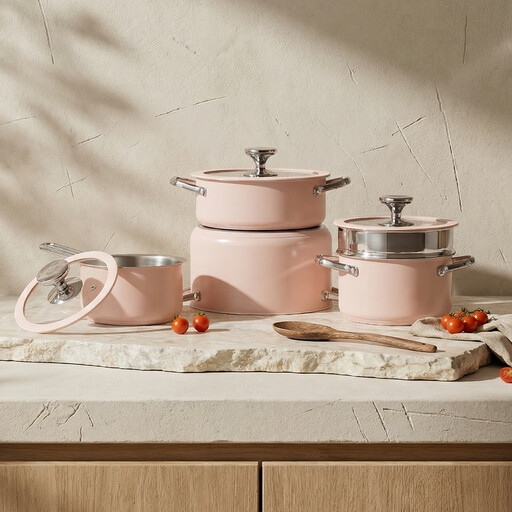
Why it's a great choice: Perfect for families juggling daily meals. This comprehensive set meets every need, from a small saucepan for milk to a large stockpot for stews. Its colourful and modern design adds a vibrant touch to the kitchen, which is a significant plus.
The internal 304 stainless steel structure ensures robustness and stability, preventing warping and coating peel. The external coating is designed to resist blackening and discolouration.
A versatile set with 4 sizes (1.5L, 2L, 2.5L, 5L) and a stockpot with a steamer insert. Compatible with all stovetops, including induction, it is also easy to clean.
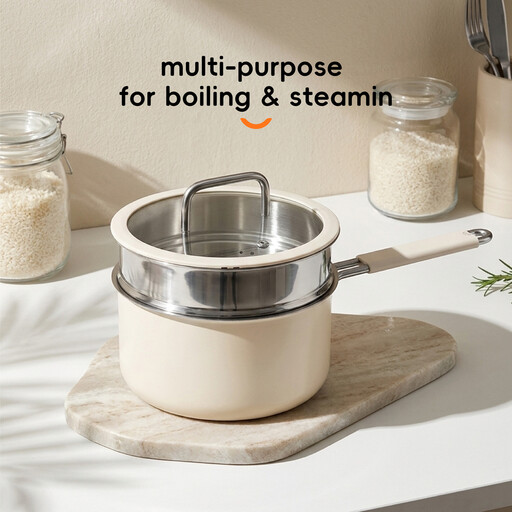
Why it's a great choice: The perfect utensil for individuals or couples seeking quality and versatility without the clutter. Ideal for heating milk, simmering a sauce, preparing porridge, or steaming vegetables for one or two people.
The stainless steel handle is wrapped in silicone to stay cool, avoiding the pitfall of scorching handles. The 316 stainless steel interior offers superior corrosion resistance, a guarantee of longevity for intensive use.
Premium interior material (316 stainless steel) for enhanced durability. The included steamer insert maximises its versatility in a compact 16 cm format.
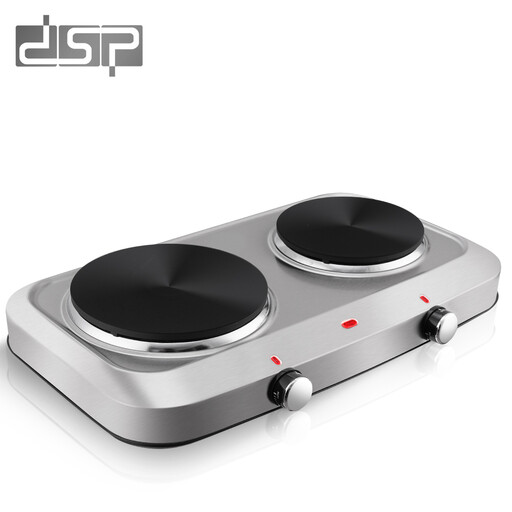
Why it's a great choice: The ideal solution for student dorms, kitchenettes, RVs, or as an extra cooktop when entertaining guests. It offers the freedom to cook anywhere there's a power outlet.
This product solves the problem of limited space or the lack of a fixed cooking installation. It provides a reliable and adjustable heat source, leaving you free to choose compatible (flat-bottomed) cookware without worrying about induction compatibility.
Powerful and independent dual burners (1500W + 1000W) for simultaneous cooking. Its stainless steel body is durable and easy to clean.
If these models don't perfectly match your needs, browse our full selection of products that meet our quality and safety criteria.
The lifespan of a ceramic coating depends on its quality, the robustness of its base, and how it's maintained. On a high-quality model with a thick stainless steel base that is well cared for (no overheating, no metal utensils, no thermal shock), a coating can remain flawless for several years. Entry-level models with a thin aluminium base tend to degrade in less than a year.
To maximise the life of your ceramic-coated pots and pans, follow these tips:
The "health" argument is based on the coating's composition. Quality ceramic coatings are considered stable and inert, and they are made PFOA-free. They do not release any controversial substances, even if accidentally scratched. Furthermore, their perfectly smooth surface allows for cooking with very little fat. It's the combination of these two factors that makes it an ally for healthier everyday cooking.