
Livraison le jour même ou le lendemain

Qualité garantie

Débloquez vos offres de bienvenue: Livraison GRATUITE | Jusqu'à -80 % | 30 jours d'essai gratuits à JoyPlus
Téléchargez l'application
A beautiful ceramic bowl has the power to transform a simple meal into a true experience. For a comforting soup, a colourful salad, or a soothing tea ceremony, the vessel is almost as important as what’s inside. The market, however, is flooded with options that, beneath an attractive veneer, often hide design flaws or poor quality. As the head of product selection at Joybuy, my mission is to guide you through this jungle to unearth that rare find: the one that perfectly blends aesthetics with durability.
Before you buy, watch out for the most common pitfalls:
matcha set or a bowl gift set might seem like a bargain, but the quality of the accessories is often sacrificed at the altar of price. A bamboo whisk that frays after the first use or minuscule cups will completely ruin the experience.To avoid these disappointments, focus on a few objective, technical criteria. These are the true guarantors of your dinnerware's quality and longevity.
The term "ceramic" is a bit of a catch-all. It actually covers several materials with very different properties.
designer dinnerware made from porcelain is a long-lasting investment.A bowl's versatility depends primarily on its shape.
salad bowl or serving dish should have a diameter of at least 25 cm to accommodate generous portions.ceramic bowl set should be easy to store without taking up all your cupboard space.The durability of your bowl also depends on its glaze. A high-quality glaze, fired at a high temperature, is not only guaranteed to be lead- and cadmium-free, but it also protects the ceramic from cutlery scratches and stains. The "dishwasher-safe" label has become standard, but only a quality glaze ensures that the colours and shine won't fade, even after hundreds of cycles.
Here is our selection of models that meet specific needs, all while avoiding the pitfalls mentioned earlier.
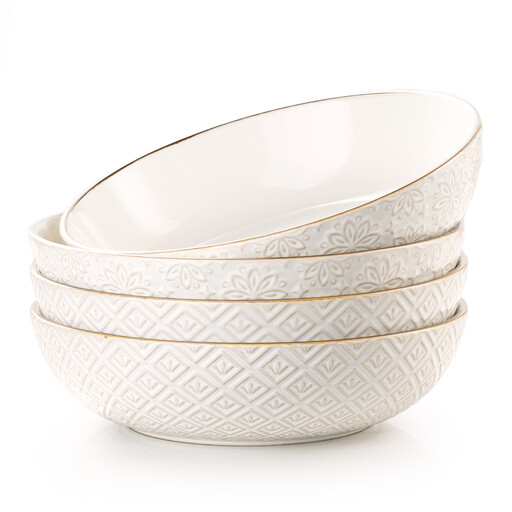
Why we chose it: Designed for daily life, this set is ultra-versatile. Its wide shape and capacity of over one litre make it perfect for pasta, large salads, or even as a small serving dish.
Everything here is designed for practicality: the thickened walls enhance durability, and the shape is engineered for stable, compact stacking. Say goodbye to storage headaches.
Made from food-grade ceramic, it's safe for the dishwasher, microwave, and even the conventional oven. This guarantees maximum versatility for cooking, reheating, and cleaning.
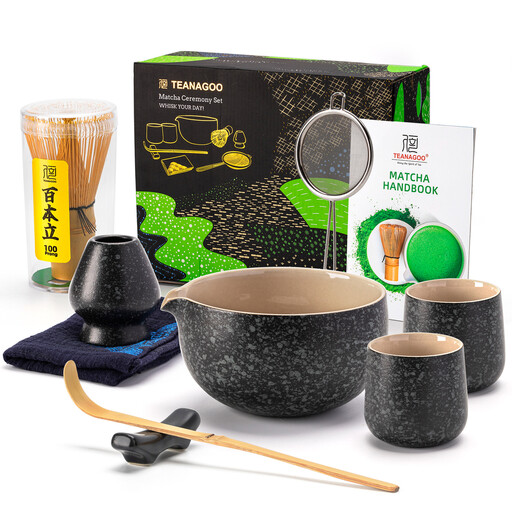
Why we chose it: Perfect for beginners or for those looking to perfect the art of the tea ceremony. This set provides all the essential tools, from the matcha bowl to the bamboo whisk, all in a coordinated and elegant package.
Unlike entry-level sets, this one focuses on the quality of its accessories: a handmade natural bamboo whisk (approx. 76 prongs) for a perfect froth, and dedicated holders to preserve their shape.
The ceramic is guaranteed lead- and cadmium-free. The set comes in an elegant gift box, making it an ideal gift for any matcha lover.
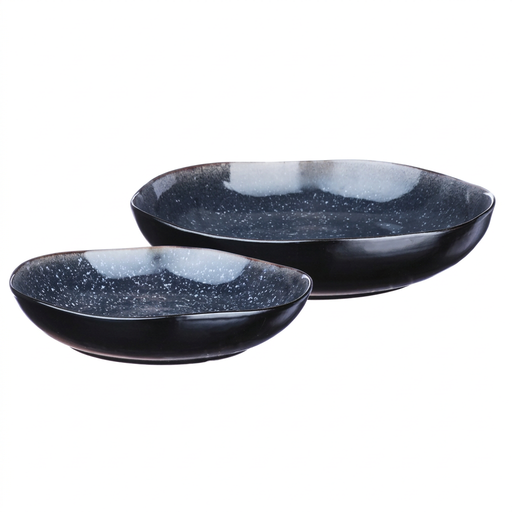
Why we chose it: This set of two large serving bowls is designed to be a true centrepiece. The deep midnight blue finish and minimalist design bring an instant touch of sophistication to a table or countertop.
It doesn't sacrifice practicality for the sake of design. The open concept promotes air circulation to keep fruit fresh longer, and the sturdy ceramic is chip-resistant for worry-free use.
Their versatility: beyond being just a fruit basket, they can be used as a serving dish for bread and pastries, or displayed as true decorative objects. The set of two complementary sizes (?27.5 cm and ?32.5 cm) offers great flexibility.
Discover our full selection of products that meet our quality criteria and current safety standards.
It all comes down to the firing temperature and the composition of the clay. Porcelain is fired at very high temperatures, making it extremely hard, non-porous, and chip-resistant. Stoneware, also fired at high temperatures, is robust and ideal for daily use. Earthenware, fired at lower temperatures, remains more porous and fragile, so it's best reserved for decorative or occasional use.
Trust three key indicators: the weight, the sound, and the finish. A quality bowl should have a reassuring weight—not too heavy, not too light. Gently tap the rim: a clear, crystalline sound is a sign of dense, well-fired ceramic (especially for porcelain). Finally, inspect the glaze: it should be perfectly smooth, with no bubbles, cracks, or imperfections, even on the base.
It all depends on the type of ceramic and the manufacturer's recommendations. High-quality stoneware and porcelain bowls are often oven-safe up to a certain temperature because they handle thermal shock well. Earthenware, on the other hand, should never be put in the oven. Always check the product specifications before using it for baking. When in doubt, don't.