
Livraison le jour même ou le lendemain

Qualité garantie

Débloquez vos offres de bienvenue: Livraison GRATUITE | Jusqu'à -80 % | 30 jours d'essai gratuits à JoyPlus
Téléchargez l'application
By the Joybuy team, animal wellness experts
Claws on the sofa, climbing the curtains, palpable boredom in an apartment… Does this sound familiar? Giving your companion their own vertical space isn't a luxury; it's a direct response to their instinctual needs: to climb, scratch, observe, and rest up high. A well-chosen cat tree enriches their daily life, protects your furniture, and actively contributes to their well-being.
But with the jungle of available models, how do you find your way? This guide is here to cut through the noise, help you identify the essential criteria, and find that perfect gem, regardless of your budget or the size of your home.
To ensure your cat loves it (and that your purchase is a lasting one), there are several points to check before you commit.
A stable cat tree is the absolute top priority. A model that wobbles or tips over can frighten your cat, causing them to avoid it or even get injured. For large cats, very active ones, or if you have multiple cats, opt for structures with a wide, heavy base. Some models, especially taller ones, even come with an anti-tip wall mounting kit for maximum safety. Always remember to check the total weight capacity of the structure.
The tree's dimensions should suit both your interior and your cat's habits.
The scratcher function is essential. It allows the cat to maintain its claws, mark its territory, and get a full-body stretch.
To guide you, here are three models that caught our eye for their versatility and excellent value for money.

Why it stands out: This model is a true all-in-one playground. At 168?cm tall, it offers excellent vertical space without being overwhelming. Its 13 scratching posts and sloped ramp will satisfy the scratching needs of one or more cats.
Pros:
Who is it for?: Perfect for households with one or more cats looking for a complete and sturdy solution. Its neutral beige colour will easily fit into most interiors.
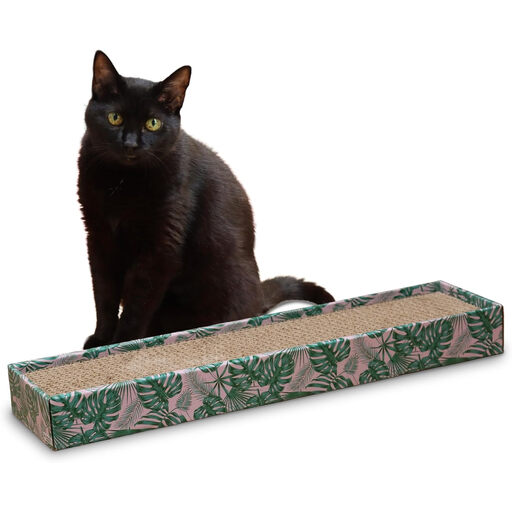
Why it stands out: This cardboard scratcher is a clever, cost-effective, and stylish alternative. Its palm leaf design and collection tray make it a true decorative piece.
Pros:
Who is it for?: Ideal for small apartments, as a first scratcher for a kitten, or as a supplement to a larger tree to provide an extra scratching zone in another room.

Why it stands out: This 206?cm giant is a dream come true for any acrobatic cat that needs space to climb and explore. Its reinforced structure and height make it an exceptional playground.
Pros:
Who is it for?: A must-have for large breeds (like Maine Coons), large and active cat families, or simply for those who want to give their feline the very best.
Over time, the sisal posts are the first to show wear and tear from your feline's repeated clawing. Don't panic, there's no need to throw the whole thing out! Simply replacing the worn-out element is a cost-effective and eco-friendly solution.
? Explore our selection of cat tree scratching post replacements to extend the life of your setup.
Patience is key. Set up the tree in a living area where your cat spends time. Sprinkle a little catnip on the posts to attract them, or use their favourite toys and treats to encourage exploration. Most importantly, never force them: let them claim their new territory at their own pace.
For a cat that lives exclusively indoors, the answer is a resounding yes. It compensates for the lack of varied terrain and stimulation they would find in nature. It's the number one accessory for combating boredom, stress, and saving your sofa from unwanted scratching.
It all depends on how vigorously your cat or cats use them! A quick, regular visual check is all it takes. As soon as the sisal is heavily frayed and the post no longer offers a good grip, it's time to replace it. Your cat (and your furniture) will thank you.