
Livraison le jour même ou le lendemain

Qualité garantie

Débloquez vos offres de bienvenue: Livraison GRATUITE | Jusqu'à -80 % | 30 jours d'essai gratuits à JoyPlus
Téléchargez l'application
A treat can reward your cat, punctuate a play session, or simply strengthen your bond day to day. But not all treats are created equal, and they don’t all meet the same needs. Between flavour promises, value packs, and claims like “with vitamins” or “low in calories,” it’s easy to pick a product that’s poorly suited to your pet.
Here are the criteria to examine when comparing cat treats, so you’re not swayed by marketing on the packaging.
The products featured here are complementary foods. They should never replace the main meal, even if they contain protein, vitamins, minerals, or taurine. In excessive amounts, they can unbalance daily nutrition and encourage weight gain.
The portion should be tailored to your cat’s size, activity level, and usual diet. Depending on the product, recommendations also suggest reducing the amount of the main meal.
A claim like “chicken” or “salmon” doesn’t necessarily mean that ingredient forms the base of the recipe. Check the ingredients list and the percentage stated. Catisfactions Chicken and Salmon treats, for example, contain 4% chicken and 4% salmon respectively.
This check helps you tell the difference between a genuine taste for chicken or salmon treats and a simple desire for a flavour change.
A cat may turn up its nose at a crunchy treat if it prefers soft textures. It might also ignore a pouch whose aroma has faded after opening. Resealable packaging is handy, but it doesn’t replace following storage instructions. Some dry treats need to be eaten within four weeks of opening. Opened liquid portions should generally be refrigerated and used quickly.
Read the ingredients list in descending order of weight. A recipe that lists cereals first will have a different profile from one made mainly from meat derivatives or chicken fillets.
The water content also helps you compare different formats. Liquid or purée treats often have a high moisture level, while dry bites are more concentrated and generally easier to store.
Low-calorie cat treats can suit frequent use, but this claim should be verified on the product page. Catisfactions Chicken, Salmon, and Catnip treats state less than 2 kcal per bite. That doesn’t mean they can be given freely: each pack specifies a maximum amount or recommends adjusting the usual meal.
For an adult cat, factor treats into the daily calorie intake. For a kitten, check the recommended minimum age. Catisfactions Salmon treats are said to be suitable for kittens from 2 months, with a daily amount lower than that advised for an adult.
A resealable pouch or individual portions can also help reduce waste day to day.
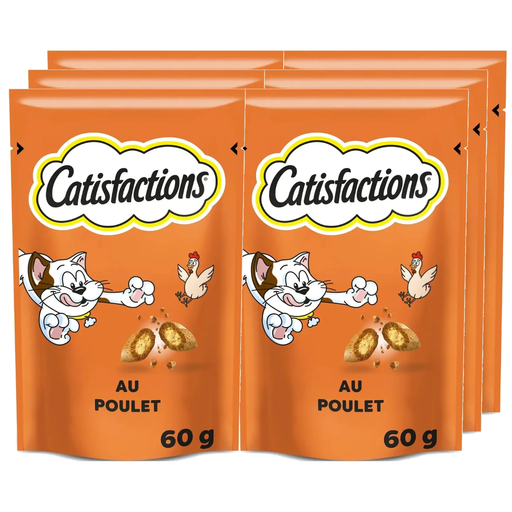
Why this choice suits this profile: With its 360 g, this large pack is ideal for starting a first reward routine or for a household with several adult cats.
The recommended amount is clearly stated, and the pouch reseals after opening, which helps keep the crunch.
A crunchy outside with a soft centre, less than 2 kcal per bite according to the product page, and no artificial colours or preservatives.
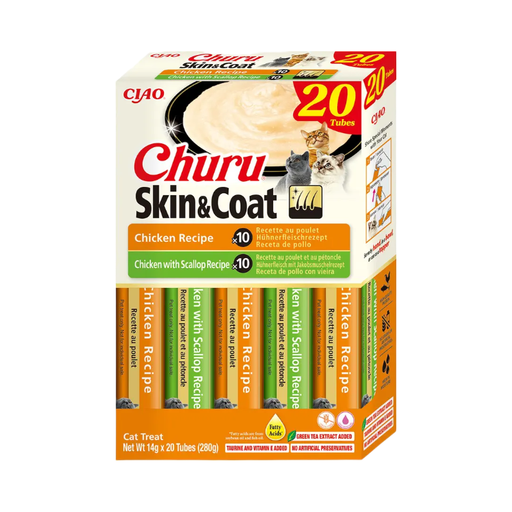
Why this choice suits this profile: Its chicken purée and individual portions appeal to owners who want to move away from dry bites and offer their cat a different experience.
The ingredients list 30% chicken and 86% moisture: the texture and storage conditions are clearly stated.
The pack contains 20 sticks of 14 g, with 2.7% fat. The purée can be served alone or mixed with kibble.
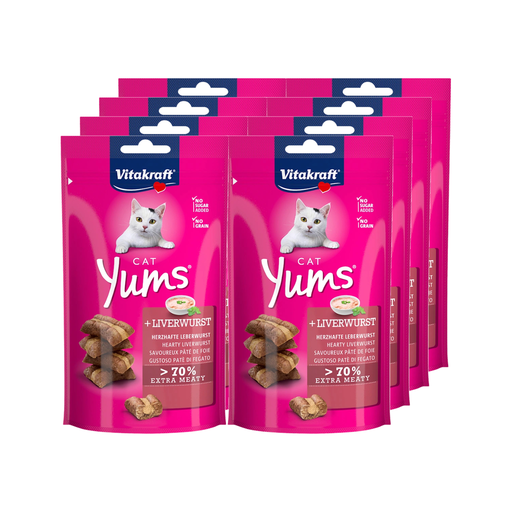
Why this choice suits this profile: Its soft texture lends itself to small rewards throughout the day or, occasionally and in line with the product instructions, to hiding a medication.
The recipe states over 70% meat and animal derivatives, with no cereals or added sugar: it doesn’t rely solely on a marketing flavour.
Eight 40 g pouches, a soft texture, 30% protein and 20% moisture according to the product page.
We’ve put together a complete, real-time updated selection of products that meet these exacting criteria, in compliance with European safety regulations.
Give treats at a specific time: after a desired behaviour, during a play session, or during a quiet moment. Avoid leaving the pouch within reach. This way, you’ll keep better control of the amounts and can identify which flavours your cat truly enjoys.
For a kitten, always check the recommended minimum age. For an adult cat, choose an amount consistent with its activity level and complete diet. Fresh water should always be available.
It depends entirely on the product, the cat’s weight, and its diet. Follow the recommendations on the packaging and reduce the main meal if necessary. A treat remains a supplement, not a meal.
Pick a product that clearly states the required age. Some kitten treats are suitable from 2 months, while others are for adult cats only, such as Sheba shredded chicken fillets. The texture and size of the bites also deserve your attention.
No. Added vitamins may be part of the ingredients, but a treat doesn’t replace a complete and balanced diet. Focus instead on comparing the ingredients, the recommended daily amount, the texture, and how well it matches your cat’s tastes.