
Livraison le jour même ou le lendemain

Qualité garantie

Débloquez vos offres de bienvenue: Livraison GRATUITE | Jusqu'à -80 % | 30 jours d'essai gratuits à JoyPlus
Téléchargez l'application
A treat can accompany a play session, a training moment, or simply a bonding experience. But not all cat treats are created equal, whether it comes to their ingredients, texture, or the amounts you give. A colourful packet, the words "with chicken" or a promise of low calories isn't enough to guarantee a smart choice.
Here are the key criteria to check before buying cat treats, whether you're looking for bite-sized snacks for an adult cat, a kitten from 2 months old, or a liquid recipe that's easier to dispense.
Most cat snacks are complementary foods. That means they don't replace the main diet, even if they contain vitamins, minerals or taurine. Given in too large quantities, they can unbalance your cat's daily ration.
The amount should be suited to your pet's weight, age and activity level. If you give rewards every day, remember to slightly reduce the portion of their main meal to avoid excess calories.
A salmon or chicken treat doesn't necessarily contain a significant proportion of that ingredient. Take the time to check the ingredients list. Some products mention, for example, 4% chicken or salmon, while others state 40% dried sardines or 30% chicken.
The smart habit is to tell the difference between a flavour highlighted on the packaging and an ingredient that's actually present in a meaningful amount. The percentages and the order of ingredients are generally more informative than the pictures on the packet.
Crunchy cat treats suit animals that like to chew, but they need to be kept in a well-sealed bag to preserve their texture. Soft bites and liquid cat treats are often packed in individual portions, but some need to be refrigerated after opening.
A treat that fits your daily routine should also be easy to portion, store and serve, without ending up half-forgotten at the back of a cupboard.
Look for the phrase "complementary food for cats" and check the recommended age. Some products are for adult cats only, while others can be given to kittens from as young as 2 months.
The information to prioritise is as follows:
A grain-free formula may appeal to owners who want to avoid certain ingredients, but that label doesn't mean the product will automatically suit every cat. As always, it's the whole recipe you need to examine.
A claim like "less than 2 kcal per bite" makes portioning easier, but it doesn't turn the treat into an all-you-can-eat food. The recommended number varies by product: some suggest up to 12 bites a day for an adult cat, others up to 20. Kittens often have a specific limit.
For training, go for very small amounts given at regular intervals. For a simple moment of pleasure, one or two bites are perfectly enough.
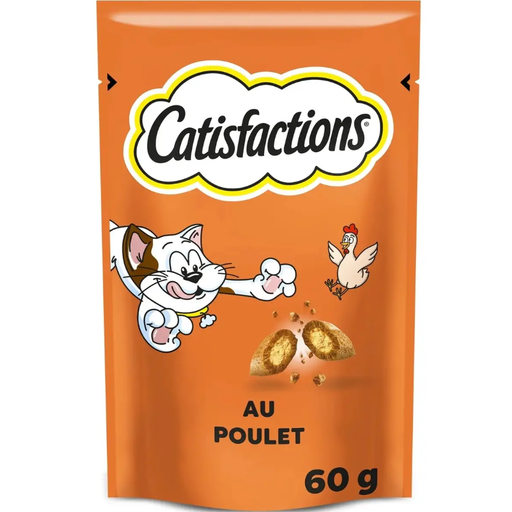
Why this choice suits this profile: A small format ideal for discovering chicken treats and easily adjusting portions during your first purchases.
The packet clearly states it's a complementary food and gives a dosage recommendation for adult cats.
A crunchy texture with a soft centre, 28% crude protein and no artificial colourings or preservatives, according to the product sheet.
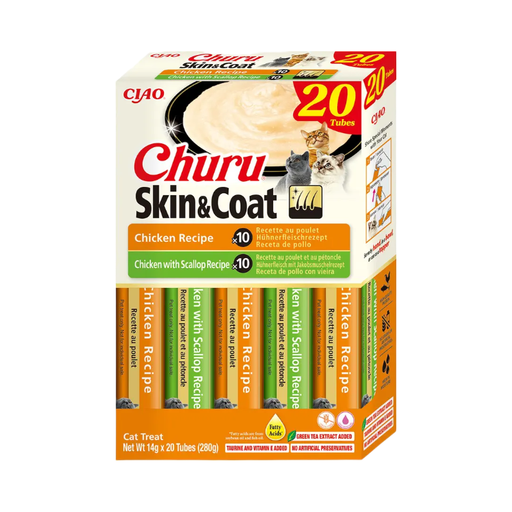
Why this choice suits this profile: A purée texture and individual packaging for those who love making treat time a real moment of interaction with their cat.
Each portion is pre-measured in a 14 g stick and the product sheet states it's a complementary food, not a meal.
A grain-free recipe with 30% chicken and 86% moisture, according to the product information.
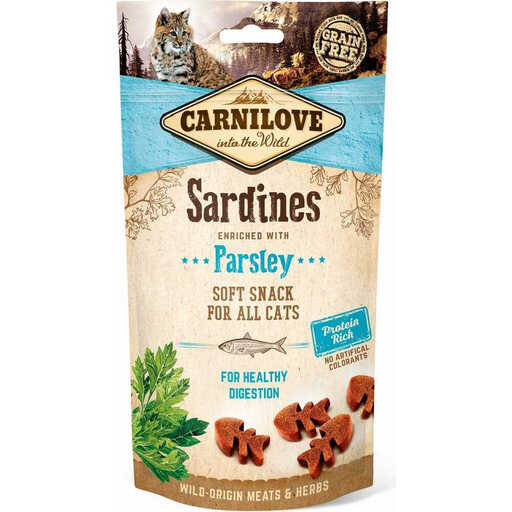
Why this choice suits this profile: A soft snack that lets you vary the rewards, especially when your cat prefers tender textures over dry bites.
The ingredients list details 40% dried sardines and the product sheet presents it as a grain-free complementary food.
A semi-moist texture, 33% crude protein and a 50 g bag that can be resealed after each use.
We've put together a comprehensive, real-time selection of products that meet these strict criteria as well as European safety regulations.
Follow the recommendation on the packaging and take into account your cat's size, age and activity level. Treats should remain a small part of their daily food intake. For a kitten, only choose a product that's suitable from the age stated, such as certain treats for kittens from 2 months.
No. Even when they have a high moisture content, liquid treats don't replace a bowl of clean, regularly refreshed water. They can add a bit of variety, but they remain complementary foods.
Carefully reseal bags of dry and soft treats after each use, then store them in a cool, dry place. For liquid portions, check the label: some need to be kept in the fridge and consumed within 24 to 48 hours of opening.