
Livraison le jour même ou le lendemain

Qualité garantie

Débloquez vos offres de bienvenue: Livraison GRATUITE | Jusqu'à -80 % | 30 jours d'essai gratuits à JoyPlus
Téléchargez l'application
Choosing cat products isn't just about comparing prices or taking packaging claims at face value. Dry food, wet food, treats or litter – certain criteria have a direct impact on your daily routine, your budget and how well a product suits your pet's needs.
A kitten, a neutered adult, a senior cat or one that lives exclusively indoors don't necessarily have the same requirements. Here are the points to check before you buy, along with a selection of products suited to different profiles.
A treat or a creamy paste cannot replace a main diet. VITAKRAFT paste, for example, is labelled as a complementary food. It can be served on its own as a reward, or mixed with dry food, but it should not make up your cat's daily meal.
Conversely, a product labelled as complete food is formulated to cover your pet's nutritional needs when fed according to the manufacturer's recommendations. This label is always worth checking on the packaging.
Seeing "beef", "chicken" or another animal source on the front of the packet isn't enough to judge a recipe. Take the time to look at the ingredients list and the analytical constituents: protein, fat, fibre, ash and moisture.
The percentages can also refer to a specific form of the ingredient. A recipe claiming 15% chicken or 16% beef by-products should be interpreted as a whole, without automatically assuming a particular benefit.
A cheap bag doesn't guarantee a lower bill over time. How often you need to change it, absorbency, clumping ability and dust levels all directly affect how much you use.
A clumping litter lets you remove only the soiled areas without having to empty the entire tray each time. A non-clumping mineral litter can also work well for households that prefer a different cleaning routine.
To choose food for a neutered cat, make sure the product is specifically intended for neutered or spayed adult cats. An indoor cat generally doesn't have the same activity level as one that goes outside regularly. The portion should therefore be adjusted according to weight, activity, body condition and the guidelines on the packet.
When changing your cat's dry food, the packaging usually recommends a gradual transition over several days. This step helps avoid suddenly upsetting your pet's eating habits. For food intended for a sensitive cat, examine the protein sources and other ingredients, then observe how your companion tolerates it. If problems persist, it's best to seek advice from a vet.
Dry food is easy to portion and store. Wet cat food offers a different texture and can be part of a mixed diet, depending on your pet's needs and the manufacturer's recommendations. Cat treats should remain occasional: their quantity should be deducted from the daily ration to limit the risk of overfeeding.
Supplements, such as a digestive supplement for cats or a paste containing inulin, do not replace a complete food. Inulin and other functional ingredients are part of the formulation, but they alone don't guarantee the same result for every cat.
To choose an odour-control litter, compare the material used, absorbency and disposal method. Natural cat litter made from wheat derivatives forms compact clumps and should be disposed of with household waste – it must not be flushed down the toilet.
CATSAN Hygiene Plus mineral litter is made from lime and quartz sand. Its light-coloured granules make it easier to observe the colour of urine. The manufacturer also mentions a dust-binding technology and ammonia reduction. These details reflect the information provided for the product and don't constitute a guarantee that works in every household.
Follow the recommended litter depth on the bag, remove waste daily and clean the tray regularly. With a kitten, keep an eye on their first few uses and avoid any risk of them ingesting the granules.
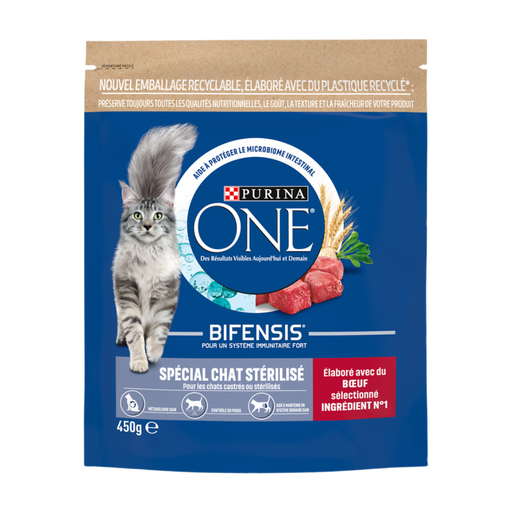
Why this suits this profile: The 450g size lets you gradually try a food for neutered cats without committing to a large bag straight away.
The product page clearly states it's a complete food for neutered or spayed adult cats, with a recommended 7-day transition period.
37% crude protein, 13% fat and chicory root listed in the ingredients.
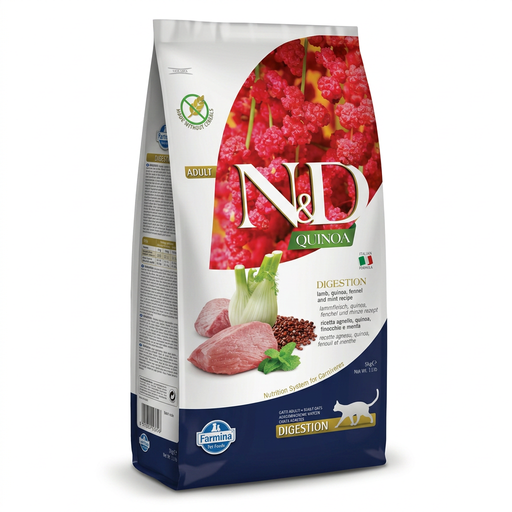
Why this suits this profile: Its large pack size suits households looking for a targeted dry formula who want to build a longer-lasting supply.
The detailed ingredients list lets you check the main protein sources and analytical values, rather than relying solely on the recipe name.
20% lamb, 20% dehydrated lamb protein and 33% crude protein according to the product page.
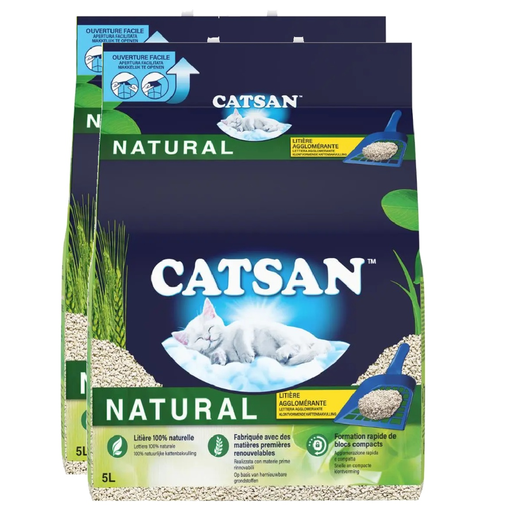
Why this suits this profile: Its 10L size and clumping action are ideal for regular use, especially in homes where the tray is cleaned daily.
The clumps can be removed daily, avoiding the need to replace all the litter after each soiling. The manufacturer states it should not be flushed down the toilet.
Wheat derivatives, a renewable raw material listed on the product page, and clumping granules that make cleaning easier.
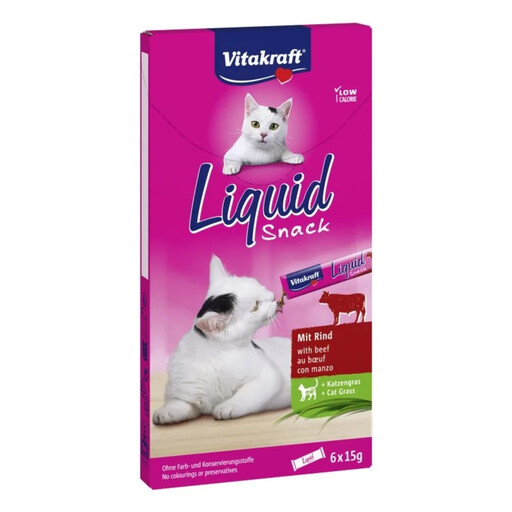
Why this suits this profile: The individual sachets make it easy to portion a liquid treat for a kitten over 3 months old or an adult cat.
The product page states it's a complementary food, to be given occasionally and not as a main meal.
4% beef in the recipe, 0.15% inulin and no added sugar according to the product page, with 6 sachets of 15g.
We've put together a complete, real-time updated selection of products that meet these exacting criteria as well as European safety regulations.
It depends on the product, your cat's weight and their usual ration. Check the recommendations on the packaging and slightly reduce their meal portion if needed. Treats should remain an occasional extra.
An odour-control clumping litter, mineral or otherwise, can make it easier to quickly remove soiled areas. Your home's ventilation, the depth of the litter layer and daily cleaning also play a role. No material eliminates the need for regular tray maintenance.
Store dry food in a cool, dry place, ideally in an airtight container after opening. Any opened wet food should be kept in the fridge and used within the stated time. For a paste or liquid treat, follow the product-specific instructions and serve immediately after opening where recommended.