
Livraison le jour même ou le lendemain

Qualité garantie

Débloquez vos offres de bienvenue: Livraison GRATUITE | Jusqu'à -80 % | 30 jours d'essai gratuits à JoyPlus
Téléchargez l'application
Persistent odours, grains scattered across the flat, a cloud of dust when you refill the tray, or clumps that stick to the bottom – a poorly chosen cat litter can quickly make daily maintenance a chore. The promises printed on the packaging aren’t always enough to help you decide between different products. The material, absorbency and disposal instructions all have a direct impact on how it performs.
A scented litter can mask unpleasant smells for a while, without actually reducing how often you need to clean. Some cats also prefer unscented formulas. To control odours effectively, it’s better to check the absorbency, the quality of clumping, and whether you can remove soiled areas every day.
This is a desirable feature, but the amount of dust also depends on transport, storage and how you pour the litter. Even a low-dust formula should be handled slowly, in a well-ventilated space. Fine granules can also end up scattered around the tray more easily.
Not all plant-based litters can be flushed down the toilet. Even when a product is described as biodegradable, compostable or flushable, you must follow the instructions on the packaging and your local regulations. Mineral litters generally need to go in the appropriate waste bin, not down the drain.
Mineral litter, made from materials such as chalk, quartz or clay, offers a traditional solution with reliable absorbency. Non-clumping varieties, however, require you to remove solid waste daily and replace the entire litter once it becomes saturated.
Plant-based cat litter can be made from tofu fibres, wheat, corn or cassava (also known as manioc). These formulas are often lighter to carry and handle. Their biodegradable nature depends on the ingredients and the disposal method recommended by the manufacturer.
A clumping litter forms a solid block around urine, so you only need to remove the soiled part. To get firm clumps, you’ll generally need a layer of 5 to 7 cm, unless the pack says otherwise. A layer that’s too thin encourages sticking to the bottom of the tray.
Remove clumps and solid waste at least once a day. In a multi-cat household, more frequent cleaning and having several trays can help reduce conflicts and prevent the litter from becoming saturated too quickly.
If you’re sensitive to dust, choose a formula labelled as low dust and check the granule size. Products made from tofu or plant fibres often have a light texture, while some mineral litters use finer grains.
Odour control depends on the room’s ventilation, the number of cats and how often you remove waste. An unscented formula can work well for households that prefer not to add extra fragrance to the room. Remember to wash the tray with a mild cleaner and dry it thoroughly before refilling.
A litter with blood detection in urine or a colour-change indicator can act as an early warning at home. It is not a substitute for a veterinary test – any unusual colouring should be taken seriously and checked by a professional. Results can also be affected by humidity, storage conditions or certain substances in the tray.
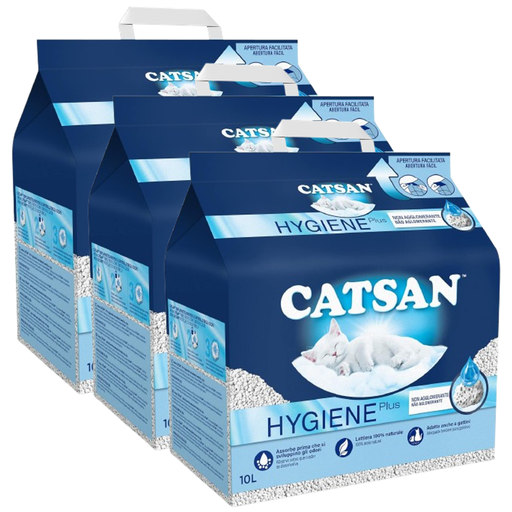
Why this suits this profile: This unscented mineral litter comes in a pack of three 10 L bags. A practical size to start with and get a feel for how much you use.
Its non-clumping format is clearly labelled – so don’t expect to form urine blocks or be able to flush it down the toilet.
Mineral grains made from fine chalk and quartz sand, unscented, with absorbency designed for everyday maintenance.
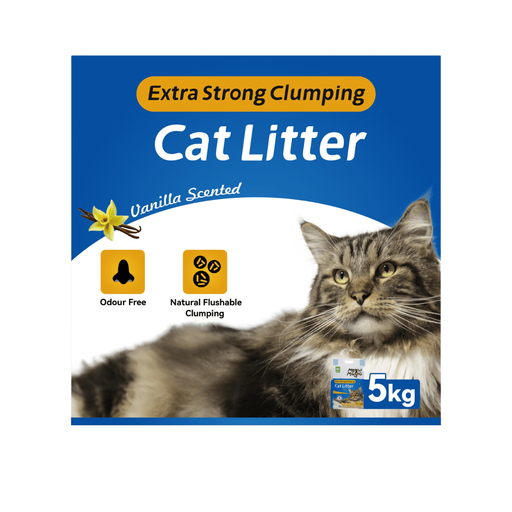
Why this suits this profile: This tofu-based litter is ideal for those who prefer a plant-based material that’s light to handle and easy to clean thanks to its clumping action.
The instructions advise checking local rules before flushing, even though it’s described as compostable and flushable.
Plant-based tofu fibres, reinforced clumping, claimed odour control and a formula designed to minimise dust.
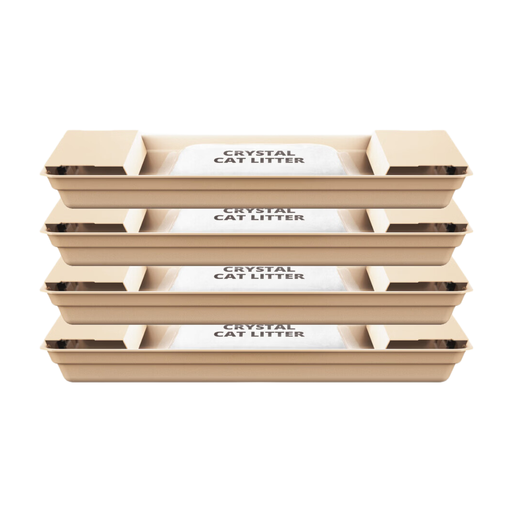
Why this suits this profile: This system is aimed at households that want to automate some of the maintenance and track certain usage indicators via an app.
The pH monitoring requires PETKIT crystal litter, sold separately – check this compatibility before buying.
A self-cleaning function, a tracking camera, four safety sensors and an open design suitable for multi-cat households.
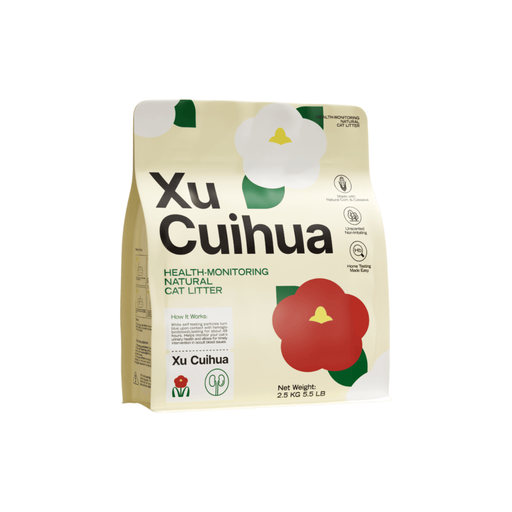
Why this suits this profile: This plant-based option is designed for owners who want to keep an eye out for a colour change in the litter, as a supplement to their usual observations.
The instructions present the colour change as a screening tool – any positive indication must be confirmed by a vet and does not constitute a diagnosis.
Plant fibres, compact clumps, an unscented formula and indicator granules designed to change colour in the presence of occult blood, according to the product description.
We’ve put together a full, real-time updated list of products that meet these demanding criteria and European safety standards.
A layer of 5 to 7 cm is generally suitable for clumping and plant-based litters. Some products, however, recommend up to 10 cm. Always check the packaging and adjust the amount based on the size of the tray, the number of cats and the litter’s absorbency.
It depends on the weight or volume of the bag, the number of cats, the type of litter and how often you remove waste. A clumping litter lets you replace only the soiled areas, whereas a non-clumping litter needs to be completely changed once the granules are saturated.
Yes, as long as the instructions allow it and your cat accepts the new texture. To make the transition easier, gradually add a small amount of the new formula to the old one. Litters made from cassava or tofu can be introduced in stages, so you can check they suit your cat and that the granules don’t scatter too much.