
Livraison le jour même ou le lendemain

Qualité garantie

Débloquez vos offres de bienvenue: Livraison GRATUITE | Jusqu'à -80 % | 30 jours d'essai gratuits à JoyPlus
Téléchargez l'application
A cat litter has to tick several boxes at once: absorb quickly, control odours, feel comfortable under paw and be easy to clean. With all the marketing claims and differences in materials, the choice can quickly become overwhelming.
A plant-based cat litter can be made from tofu, wheat, maize or cassava. That doesn’t automatically mean it can be flushed down the toilet or put in a home compost bin. Whether you can dispose of it that way depends on the quantity, your plumbing system and local regulations.
Always read the manufacturer’s instructions. Even when a tofu litter is described as biodegradable or compostable, it’s best to flush only very small amounts, and only if local rules and your plumbing allow it. Mineral litters and crystal litters should generally not be disposed of through the drains.
A fragrance can mask odours without tackling the moisture problem. Some cats may also turn their nose up at a tray that smells too strong. For sensitive pets, an unscented formula combined with good absorption and daily removal of waste is often a better choice.
A litter tray deodoriser can help with maintenance, as long as it’s compatible with the tray you use. Check whether it’s a refill, a gel or an accessory designed for a specific model.
The amount of dust depends on the material, the size of the granules, how the litter is transported and how you pour it. Even a formula marketed as a dust-free cat litter or low-dust should be handled gently in a well-ventilated area. For a kitten, also look at the granule size to reduce the risk of accidental ingestion.
Clumping cat litter forms a solid lump when it comes into contact with urine. This lets you remove the soiled areas each day while keeping the rest of the tray contents. Tofu fibres, wheat and certain mineral formulas fall into this category.
Non-clumping mineral litter absorbs moisture throughout the whole tray. You need to remove solid waste daily, stir the granules as the manufacturer recommends, and then replace all the litter once the material is saturated. This type can suit households that prefer a simple routine and larger pack sizes.
For a kitten litter, choose a texture that your young cat will readily accept, and keep an eye on their behaviour during the first few days. A gradual transition reduces the risk of them rejecting the tray.
Manufacturers often recommend a layer of 5 to 7 cm, with some instructions going up to 10 cm. A layer that’s too thin will quickly reach the bottom of the tray, while one that’s too thick uses more litter and can get kicked out.
Remove solid waste and clumps every day, then give the tray a full clean following the manufacturer’s instructions. In a multi-cat household, plan for more frequent changes and, if possible, provide several separate trays.
A litter with urine blood detection can serve as a visual indicator. If the granules change colour, this is not a diagnosis: contact your vet promptly and follow the instructions supplied with the product.
A self-cleaning litter tray can reduce how often you need to scoop, but it comes with several requirements: a power supply, sensor maintenance, dedicated consumables and strict compatibility with the type of litter. Before you buy, also compare the cost of refills.
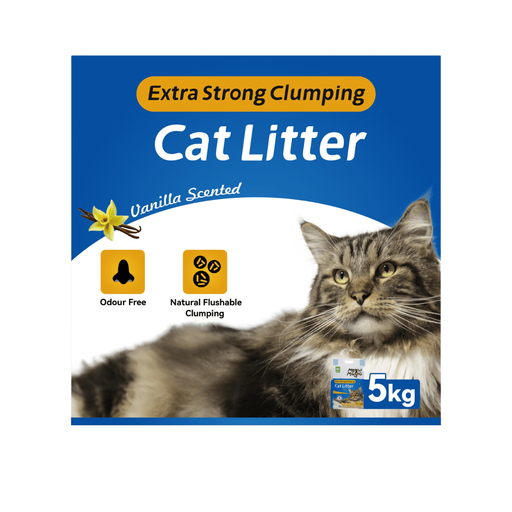
Why this choice suits this profile: Its tofu-fibre composition and 5 kg pack size let you try a plant-based litter without having to buy a large volume straight away.
Its clumping formula lets you remove soiled areas without replacing the whole tray contents each time you clean.
Plant fibres, claimed low dust emission, odour control and suitability for both kittens and adult cats.
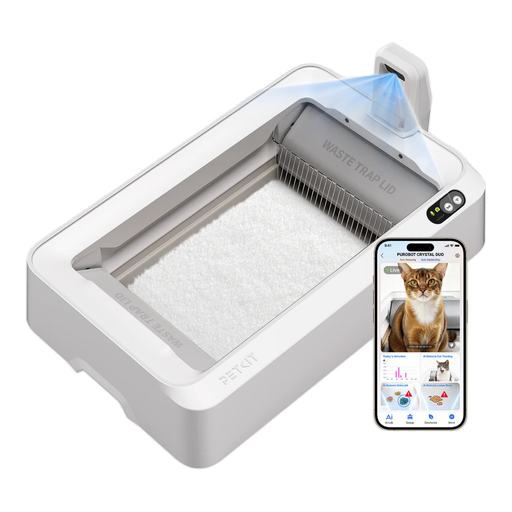
Why this choice suits this profile: This automatic tray is designed for households that want to minimise manual scooping and are willing to make a larger investment in the unit and its consumables.
The tray is only compatible with PETKIT crystal litter – a constraint to consider before purchasing.
Built-in camera, safety sensors and a disposable waste bin claimed to last up to 30 days with one cat.
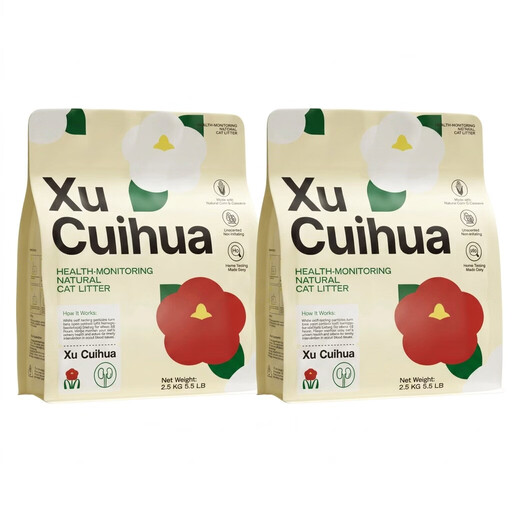
Why this choice suits this profile: It’s aimed at owners who want to monitor certain urinary changes while keeping a clumping plant-based texture.
The manufacturer states that the colour change is a screening indicator, not a medical diagnosis.
Cassava and maize formula, no added fragrance, fast clumping and sand-like granule texture.
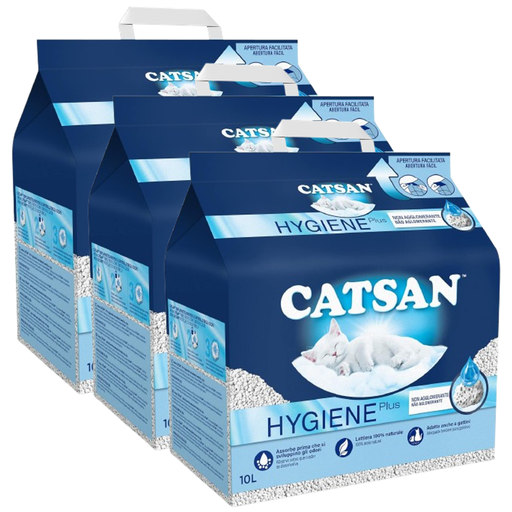
Why this choice suits this profile: Its large pack size and non-clumping mineral structure can suit a household that prefers to buy in bulk.
Its lack of fragrance means it doesn’t mask the real moisture management behind a simple added scent.
Mineral granules made from chalk and quartz, claimed absorption and daily maintenance without forming clumps.
We’ve put together a comprehensive, real-time selection of products that meet these demanding criteria and comply with European safety regulations.
A layer of 5 to 7 cm is a good starting point for clumping and plant-based litters. Some mineral litters recommend a depth of 5 to 10 cm. Check the packaging, then adjust the amount to suit the size of the tray, your cat’s habits and how often you clean.
How long it lasts depends on the number of cats, the tray size, the type of granules and how much you remove each day. A clumping litter is topped up as you go, while a non-clumping formula needs to be replaced once it’s saturated. Automatic devices reduce scooping, but they still require consumables and regular maintenance.
Remove waste every day, clean the tray regularly and place it in a quiet, well-ventilated spot that’s easy for your cat to access. If your cat is sensitive to strong smells, choose an unscented odour-control litter. You can add a compatible deodoriser, but always check the specific model and safety instructions.