
Livraison le jour même ou le lendemain

Qualité garantie

Débloquez vos offres de bienvenue: Livraison GRATUITE | Jusqu'à -80 % | 30 jours d'essai gratuits à JoyPlus
Téléchargez l'application
Choosing the right cat litter can be a real puzzle. Between promises of long-lasting freshness, "eco-friendly" labels, and "dust-free" formulas, it's hard to separate fact from fiction. As the Head of Product Selections at Joybuy, my mission is to do the groundwork for you. Let's break down the criteria that truly matter to find the ideal litter for both you and your cat.
The cat litter aisle is vast, but not all products are created equal. Here are the two most common mistakes that lead to buyer's remorse:
To stop choosing at random, focus on these three objective characteristics.
This is the starting point. The choice of material dictates everything else: absorption, weight, environmental impact, and even your cat's comfort.
The litter's ability to form tight clumps on contact with urine is a guarantee of daily convenience and hygiene.
For maximum comfort, these two aspects are inseparable. An effective odour-control litter does more than just add perfume; it incorporates active agents like charcoal to capture and neutralise ammonia. As for dust, the best litters, whether plant-based or mineral, are processed to ensure a "low-dust" formula, thereby preserving indoor air quality.
Rather than an impersonal product list, we've matched specific litters to user profiles to help you find the one that's truly right for you.
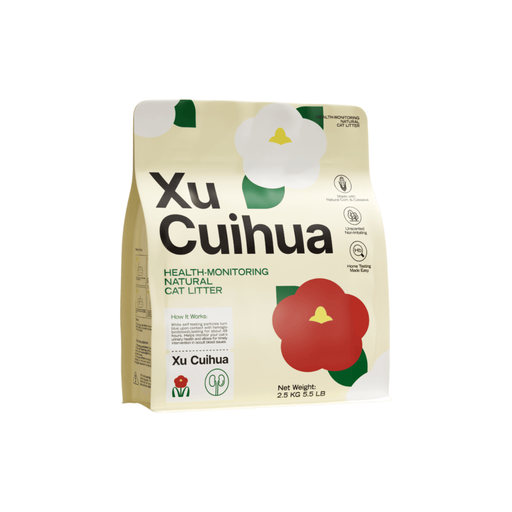
Why we chose it: Ideal for owners who want to keep an eye on their cat's urinary health, especially for older pets or those with a history of medical issues. This litter provides true peace of mind.
Here, the promise isn't marketing; it's functional. The colour change in the presence of blood in the urine is a genuine health indicator, far more than a simple gimmick.
At-home urinary monitoring tool. Low-dust plant-based formula with good clumping performance.
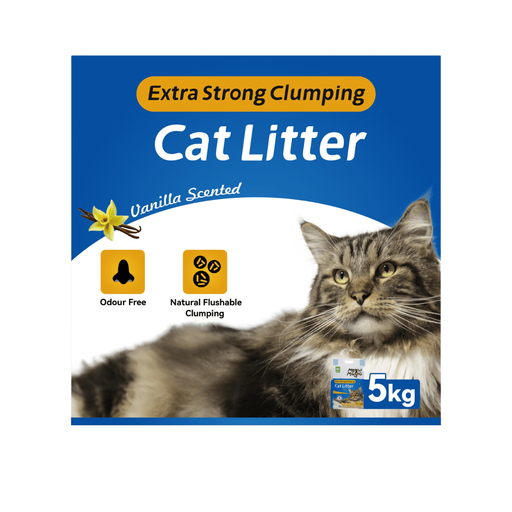
Why we chose it: Perfect for those seeking a practical, eco-friendly, and easy-to-dispose-of solution. Its tofu-based composition makes it lightweight and biodegradable.
The "eco-friendly" label is justified by facts: the litter is derived from plant fibres, it's biodegradable, and compostable. Being able to flush it (under certain conditions) is a real daily convenience.
Flushable (check local regulations), eco-friendly, and biodegradable. Low in dust and gentle on paws.
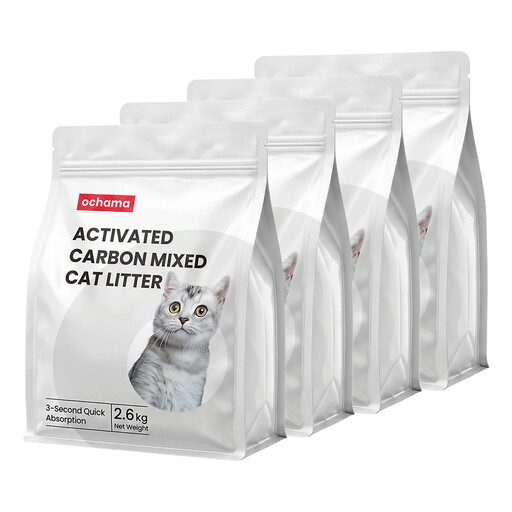
Why we chose it: Designed for multi-cat households or for the most sensitive noses. Its multi-component formula provides enhanced and long-lasting odour control.
Its strength? Synergy. The combination of tofu, bentonite, and activated carbon offers odour neutralisation far superior to that of a standard litter.
Superior odour control thanks to activated carbon. Fast and solid clumping. Economical bulk format, perfect for heavy use.
Explore our full range of litters, tested and approved by our experts, all meeting our demanding selection criteria.
For a clumping litter, a complete change is recommended every 2 to 4 weeks, provided you remove soiled clumps and solid waste daily. For a non-clumping litter, a full replacement is necessary at least once a week, as urine saturates the entire box. These frequencies, of course, vary depending on the number of cats and the size of the litter box.
Plant-based litters (tofu, corn) are often designed to break down in water. However, two golden rules must be followed: check your local regulations and only flush very small quantities at a time to avoid clogging your pipes. Never flush mineral litter (clay, silica) down the toilet, as it will turn into cement.
Cats are creatures of habit and may reject a sudden change. For a smooth transition, the trick is to gradually mix the new litter with the old one over a period of one to two weeks. Start with 25% of the new litter, then increase the proportion every two or three days until it completely replaces the old one.