
Livraison le jour même ou le lendemain

Qualité garantie

Débloquez vos offres de bienvenue: Livraison GRATUITE | Jusqu'à -80 % | 30 jours d'essai gratuits à JoyPlus
Téléchargez l'application
Choosing cat litter is not just about comparing the price of the bag. A formula that is too dusty, sticks to the bottom of the tray or lets odours through can quickly turn daily maintenance into a chore. In a household with several cats, the wrong choice can also mean higher consumption and more frequent cleaning.
Before placing your order, keep these three pitfalls in mind:
Clumping cat litter forms a solid clump when it comes into contact with urine. In principle, you can simply remove the soiled part while keeping the rest of the tray fresh for longer. However, check how firmly the clumps hold together: if they break apart in the scoop, cleaning becomes less precise and you may waste more litter.
Mineral cat litter, generally made from chalk- or quartz-based grains, does not necessarily form clumps. It suits those who prefer a classic solution, but means stirring the grains regularly and replacing the entire contents of the tray at regular intervals. CATSAN Hygiene Plus Mineral Cat Litter, for example, is advertised as fragrance-free and comes in a 10 L format.
Plant-based cat litter — made from tofu, tapioca fibres, maize or cassava — is another option. Lightweight, it is often presented as biodegradable cat litter. Nevertheless, read the end-of-life instructions carefully: even if the product listing mentions composting or flushing down the toilet, you must take local regulations and your home’s plumbing into account. If in doubt, do not dispose of clumps down the drains without checking the manufacturer’s recommendations and the rules in force.
When choosing dust-free cat litter or a low-dust formula, don’t rely solely on the marketing claim. Check the ingredients and instructions for use. When filling the tray, pour the litter slowly, avoid shaking the bag over the tray and remember to ventilate the room.
Scented litter is not necessarily suitable for every household. Cats may react badly to strong smells or avoid a tray whose scent changes suddenly. In a home where added fragrances cause problems, an unscented formula, such as some CATSAN or Meowmagic products, may be more suitable. For cat litter for sensitive cats, make the change gradually and observe your pet’s reaction.
To estimate the budget you will actually need, take into account:
A 2.5 kg cat litter bag is easy to handle and practical for trying a new material or setting up a small household. A 10 L cat litter format means you can shop less often, but it takes up more space and must be kept dry.
Why this product suits this profile : Its 10 L size and unscented mineral composition are ideal for first-time set-ups with a straightforward cleaning routine.
The product listing clearly states that this is a non-clumping formula, so you won’t buy it expecting easy-to-remove clumps.
Mineral grains made from chalk and quartz sand, a 10 L size and no added fragrance.
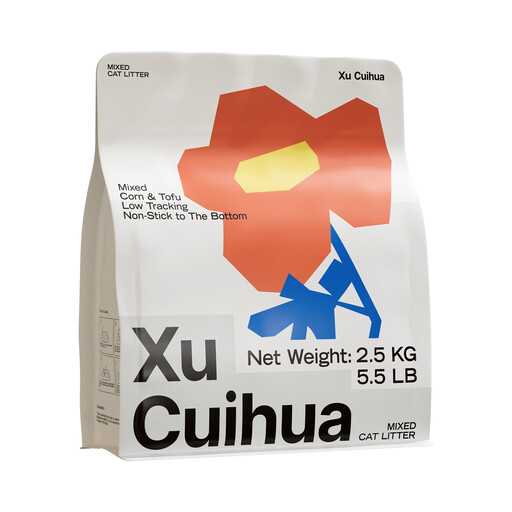
Why this product suits this profile : Its fine texture, tofu and plant-based material blend, and easy-to-handle size are designed to make everyday use more comfortable.
The product listing claims firm clumps and limited adhesion to both the tray and scoop: two points to check before making your decision.
A composition advertised as tofu and natural materials ; fine granules and advertised low dust emissions.
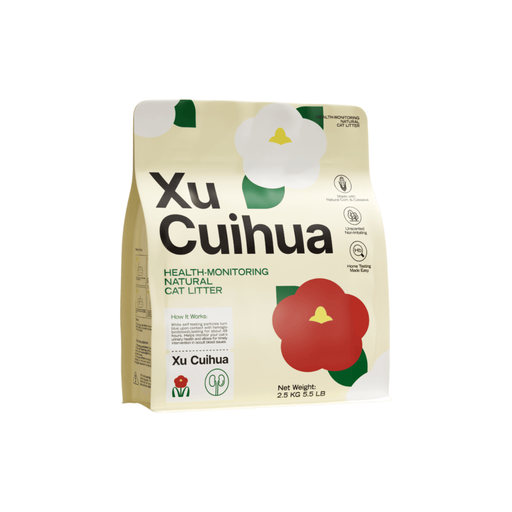
Why this product suits this profile : Its colour indicator may appeal to households that want to monitor certain changes in their cat’s urine during daily cleaning.
The product listing reminds you that the colour change is intended for screening and is not a diagnosis : any abnormality should be confirmed by a vet.
Plant fibres, advertised clumping performance, low dust emissions and an easy-to-handle 2.5 kg bag.
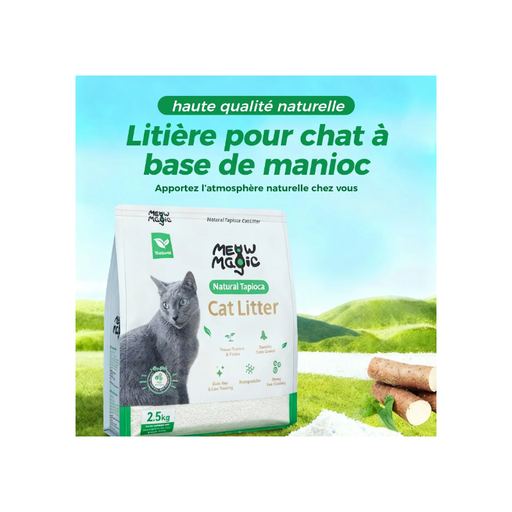
Why this product suits this profile : This tapioca-based product is ideal for anyone wanting to try lightweight, unscented plant-based litter.
The material and absence of fragrance are clearly stated, making it easier to compare with mineral or scented formulas.
A composition advertised as tapioca-based, odour control and a net weight of 2.5 kg.
We have put together a complete, real-time updated selection of products that meet these demanding criteria and European safety requirements.
Place the tray in a quiet, easily accessible location away from food and water bowls. Add the amount recommended in the product listing — generally 5 to 7 cm — then remove faeces and soiled areas every day. A scoop suited to the size of the granules will help minimise waste.
When changing materials, gradually mix the old and new litter over several days. If your cat avoids the tray, goes back to the old formula or scatters a lot of grains, reduce the proportion of the new litter and slow down the transition. Never add fragrance to the tray yourself, and do not mix several products without checking that they are compatible.
A layer of around 5 to 7 cm is generally recommended for clumping and plant-based formulas. Mineral litters may require a different depth: refer to the instructions. Then adjust the amount according to the size of the tray, the number of cats and the absorbency you observe.
Remove faeces and clumps every day. With a non-clumping formula, the entire contents may need replacing more often, particularly once the grains become saturated. Clean the tray with mild soap, rinse it thoroughly and dry it before refilling.
No. According to the product listing, litter with blood-in-urine detection can only be used as a screening indicator. Unusual discolouration, repeated urination or any change in behaviour should be reported to a vet. Cat litter cannot confirm the presence of a disease or determine its cause.