
Livraison le jour même ou le lendemain

Qualité garantie

Débloquez vos offres de bienvenue: Livraison GRATUITE | Jusqu'à -80 % | 30 jours d'essai gratuits à JoyPlus
Téléchargez l'application
A well-chosen accessory can make everyday tasks easier, reduce handling and help you make better use of your space. Choose the wrong product, though, and it may end up forgotten at the back of a cupboard after a few weeks. Whether you’re shopping for your home, a café, restaurant, office or shop, it’s worth checking a few things before choosing practical accessories for home and business.
A large container won’t necessarily suit every situation. A 7.5-litre cereal dispenser could be ideal for a family or buffet, but take up far too much room in a small kitchen. On the other hand, a container that’s too small will need constant refilling in a café or workplace.
The right capacity depends on your daily usage, the space available and how easy the container is to clean.
With a sauce, oil or drinks dispenser, accuracy depends on the design of the spout, pump or valve. A model designed for thin liquids may clog when used with a thick sauce or one containing particles. Check what the product is designed for rather than relying on marketing claims such as ‘drip-free’ or ‘precise dispensing’.
Kitchen, bar and hygiene accessories regularly come into contact with food, soap or other liquids. A mechanism that’s difficult to take apart can quickly become a nuisance to clean. Similarly, an automatic dispenser needs batteries, while an espresso WDT tool needs spare needles and suitable storage.
Measure the space available, particularly the clearance beneath a cupboard or above your worktop. For food storage, check that the container is suitable for the products you use every day: cereal, rice, flour, coffee, nuts and pet food all have different requirements.
A compartmentalised cereal dispenser can make everyday food storage easier. A large single container is better suited to one ingredient that you use in quantity.
Stainless steel, glass, aluminium, ABS, PET and polypropylene all have different properties. Stainless steel is often valued for its corrosion resistance and easy cleaning. Glass lets you see what’s inside at a glance, but needs more careful handling to avoid knocks. If wood is used for a handle or stand, it may need to be hand-washed and dried straight away.
For accessories that come into contact with food, check the manufacturer’s guidance on cleaning, temperature and compatible liquids. For electrical equipment, check the voltage, plug type and whether the instructions are clear.
A fine-needle espresso WDT tool should come with safe storage and a mechanism that helps prevent the needles from bending. An automatic soap dispenser should make it easy to check the level and replace the batteries. For a pill organiser, the closure, seal and separation between compartments are useful features, but they should never replace advice from a healthcare professional.
Products designed for intensive use should also be easy to take apart, rinse and dry. This matters just as much as the material used for the outer casing.
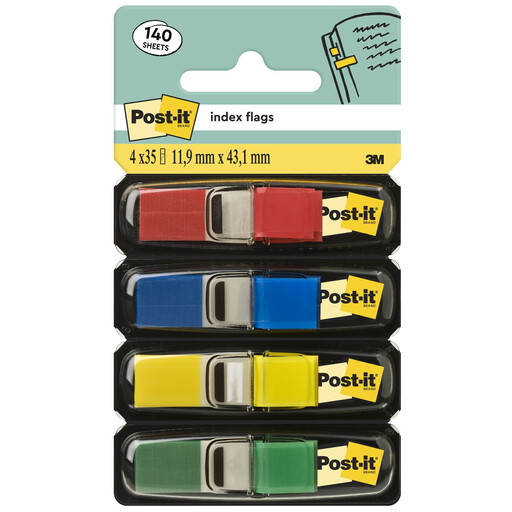
Why it’s a good fit for this profile : A simple way to organise documents at home, at school or in the office, with no installation or power supply needed.
The pack clearly contains 4 dispensers, each with 35 page markers, giving you 140 pieces in total, with no complex mechanism to maintain.
4 colours, 11,9 × 43,2 mm format and repositionable adhesive, as stated by the manufacturer.
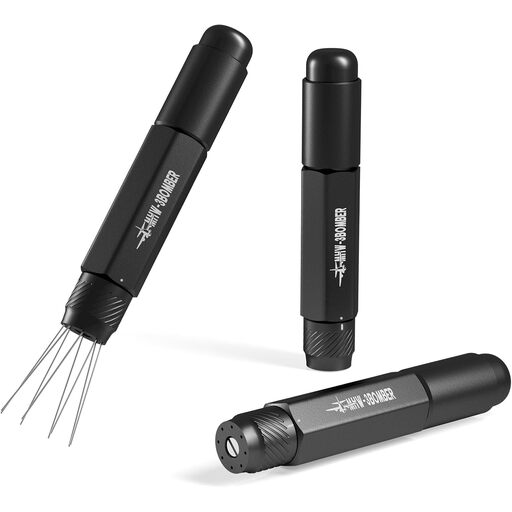
Why it’s a good fit for this profile : Coffee lovers who make espresso regularly will appreciate a precise, compact tool that’s easy to store.
The retractable mechanism protects the needles during storage, while the magnetic stand helps prevent you from misplacing the accessories.
8 × 0,4 mm SUS304 stainless steel needles, 8 spare needles and adjustable width.
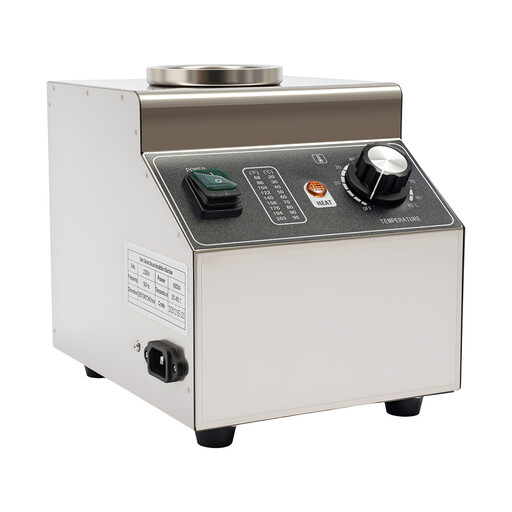
Why it’s a good fit for this profile : Professional kitchens, cafés and households that serve sauces regularly can rely on this warmer, with adjustable temperature settings.
The adjustable 30 to 85 °C temperature range and insulating mat let you tailor how you use it. Just remember never to run the appliance empty.
100 W power, 680 ml bottle, European 220 V/50 Hz plug and 201 stainless steel outer surface.
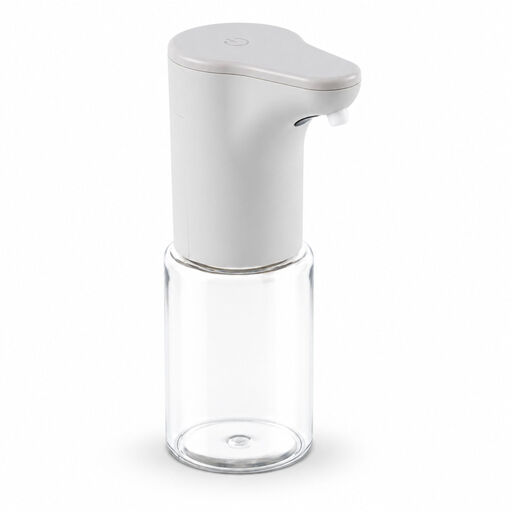
Why it’s a good fit for this profile : This automatic soap dispenser is ideal for bathrooms and kitchens where you’d like to avoid touching the pump.
The transparent reservoir makes it easy to check the level, while the 4 AA batteries mean you won’t need a nearby socket.
300 ml capacity, touch-free sensor and compact ABS casing with a PET container.
In a family kitchen, look for an accessory that’s easy to fill and clean. Coffee lovers should pay close attention to needle fineness, storage options and the availability of spare parts. In a bar, a 30 ml wall-mounted dispenser or a double stand can free up worktop space and help keep portions consistent, as long as it’s securely installed and cleaned regularly.
In an office, office supplies, such as adhesive page markers or a note dispenser, should be chosen mainly for accessibility, format and frequency of use. For a school, check for small parts and any age-related warnings on the packaging. Finally, when choosing professional equipment, consider whether it can keep up with the pace of service and how much time it will take to maintain, before comparing prices.
We’ve put together a comprehensive, regularly updated list of products that meet these exacting selection criteria and European safety standards.
Start by measuring the space available, then choose between a cereal dispenser, an airtight container and an oil dispenser. For dry foods, glass, an airtight lid and a built-in measure can make it easier to keep track of quantities. For oil, a precise pouring spout and easy cleaning are usually more practical than a large container that’s difficult to handle.
The cost mainly depends on its power source and how often you use it. An automatic soap dispenser usually runs on batteries, which need replacing from time to time. A sauce warmer uses electricity while it’s on and should only be used with a compatible liquid. Before buying, check the power rating, power source and manufacturer’s instructions.
Clean any parts that come into contact with food or soap according to the instructions, dry them thoroughly and avoid unsuitable cleaning products. Don’t overload the mechanisms, never force a jammed pump and replace worn parts where applicable. Storing accessories in a dry place, handling them carefully and checking them regularly can help keep them working as intended for longer.