
Livraison le jour même ou le lendemain

Qualité garantie

Débloquez vos offres de bienvenue: Livraison GRATUITE | Jusqu'à -80 % | 30 jours d'essai gratuits à JoyPlus
Téléchargez l'application
Choosing a cat food isn’t just about comparing the flavour on the packet or the price per kilo. Between dry food, wet food, recipes for neutered cats and treats, the differences in ingredients, texture and format can have a noticeable impact on your budget and daily routine.
Here are the key points to check before you fill your basket.
A product labelled “complete food” is formulated to form the daily basis of your cat’s diet, following the manufacturer’s recommendations. In contrast, products like Catisfactions, certain Felix treats or chew bites are complementary foods. They cannot replace main meals.
A treat can be used to reward your cat or to add variety to your bonding moments. However, its quantity should be deducted from the daily ration to avoid excessive calorie intake.
A recipe presented as salmon dry food or chicken dry food does not necessarily contain a high proportion of the ingredient highlighted on the packaging. Check the ingredients list and the quantitative declaration, where stated.
Some products, for example, mention 4% chicken or 4% salmon in a given recipe. This information is far more telling than the picture printed on the packet.
A 7 kg or 7.5 kg bag can lower the price per kilo, but it must be stored in a cool, dry place, away from air. After opening, seal the packaging carefully or transfer the contents to a clean, airtight container. For wet food, individual 85 g portions help reduce waste. An opened tin should generally be kept in the fridge and used quickly.
A kitten does not have the same nutritional needs as an adult cat. Similarly, a food for neutered cats recipe may have a different ration and energy density than a formula intended for an active adult cat.
Always check the species and age stated on the packaging. The WHISKAS Adult Sterilized product, for example, is intended for adult neutered cats aged at least 1 year. It is not suitable for kittens or pregnant or nursing females.
The amount to serve depends on your cat’s weight, activity level, age and body condition. The guidelines on the packet are a starting point, to be adjusted gradually and carefully.
When changing brand or recipe, plan a gradual transition over around 7 to 10 days, mixing the old food with the new. This method helps limit digestive upset and sudden changes in eating habits. If you have any particular concerns, ask your vet for advice.
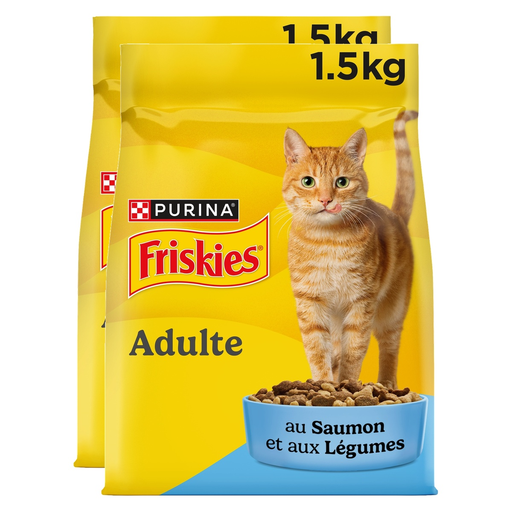
Why this choice suits this profile: This size lets you try the product with a reasonable quantity, without tying up a large sum in a very big bag. The recipe is for adult cats and contains 30% crude protein, according to the product sheet.
The 3 kg weight stops you overbuying before you know whether your cat likes the texture and flavour.
Accessible size, complete recipe for adult cats and stated 3% salmon content.
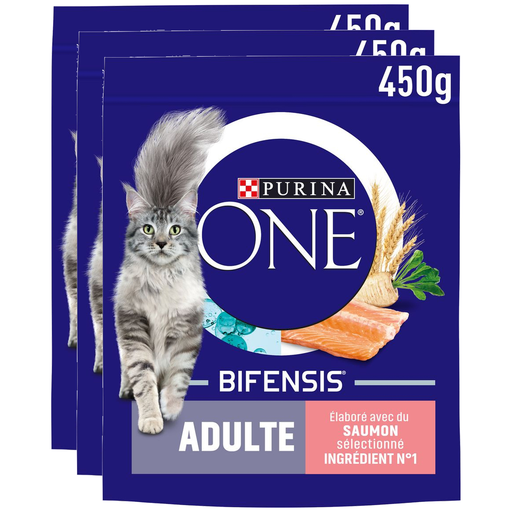
Why this choice suits this profile: This product is aimed at owners who want to look closely at the ingredients of an adult cat food. The recipe states 17% salmon and 34% crude protein.
The 1.35 kg size makes it easy to try a more targeted recipe without leaving a bag open for too long.
17% salmon stated, 34% crude protein and recommendation for a gradual transition over 7 days.
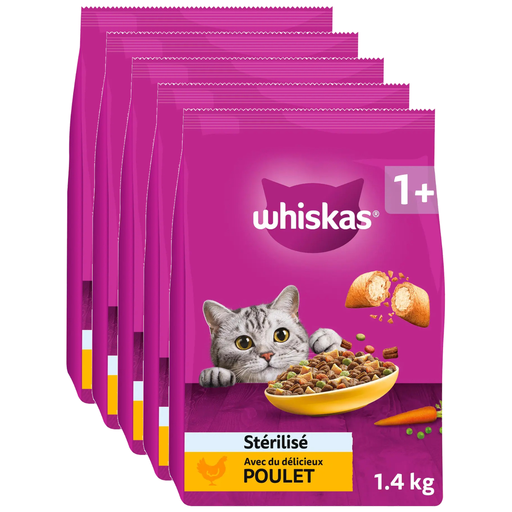
Why this choice suits this profile: This large bag is ideal for households that regularly feed an adult neutered cat and want to avoid frequent shopping trips. The product sheet states 30% crude protein and 11.5% fat.
The specific mention for neutered cats stops you choosing a standard adult recipe without checking its intended use.
7 kg size, fibre stated at 4.1% and detailed ration based on your cat’s weight.
We’ve put together a comprehensive, real-time updated list of products that meet these strict selection criteria and European safety regulations.
Wet food can be offered in rotation with dry food, as long as you recalculate the total amount of food given. Gourmet, Purina One or Felix variety packs let you try several textures and flavours: mousse, chunks in sauce, chicken, veal or fish.
Cat treats, such as Catisfactions in chicken, salmon or catnip, should remain occasional extras. Some product sheets state fewer than 2 kcal per bite, but the maximum recommended amount always depends on the product, your cat’s weight and activity level.
Start by following the feeding guide on the packaging, then adjust the amount based on your cat’s weight, activity level and body condition. When the food is particularly energy-dense, weigh the portions regularly.
Yes, as long as both products are suitable for your cat’s age and the total energy ration is respected. If you add complete wet food, reduce the amount of dry food accordingly.
The shelf life depends on the date on the packaging and storage conditions. Seal the bag after each use, keep it in a dry place and regularly check the smell, appearance and for any moisture. For opened wet food, put the remainder in the fridge promptly and follow the time stated on the packaging.