
Livraison le jour même ou le lendemain

Qualité garantie

Débloquez vos offres de bienvenue: Livraison GRATUITE | Jusqu'à -80 % | 30 jours d'essai gratuits à JoyPlus
Téléchargez l'application
Choosing the right cat food can often feel like a puzzle. Faced with aisles saturated with marketing promises, enticing packaging, and long ingredient lists, it's easy to feel overwhelmed. As a product expert at Joybuy, my mission is to help you see things more clearly. The goal isn't to dictate your purchase, but to give you the keys to making an informed choice that is perfectly suited to your pet's needs.
Before we dive in, let's break down the most common traps that lighten your wallet with no real benefit for your feline.
To avoid these traps, simply focus on the facts. Here are the three points to check on the label before every purchase.
The regulation is clear?: ingredients are listed in descending order by weight. The first item on the list is therefore the one present in the largest quantity.
This table, mandatory on all packaging, is a goldmine of information.
This is a crucial point for your pet's dietary balance.
Rather than a random list, here are our targeted suggestions based on specific needs, to help you find the most relevant food for your companion.
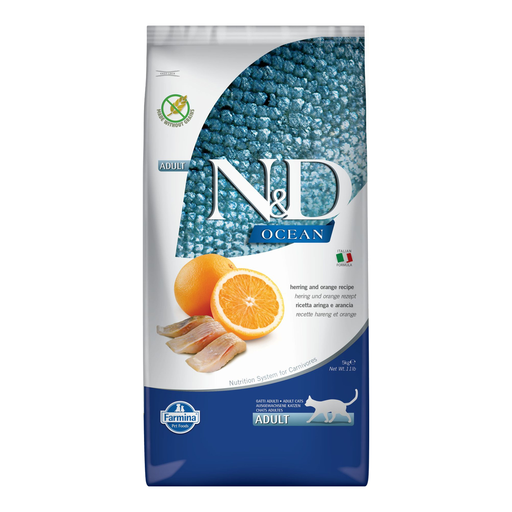
Why it's a great choice : Perfect for owners who demand a formula rich in premium animal proteins and a grain-free recipe that closely mimics a cat's natural diet.
Its ingredient list is crystal clear, with fresh and dehydrated herring at the top. No vague marketing, just facts : 98% of the proteins are of animal origin.
A high protein content (36%) and omega-3 fatty acids (from herring and fish oil), which are excellent for skin health and a shiny coat.
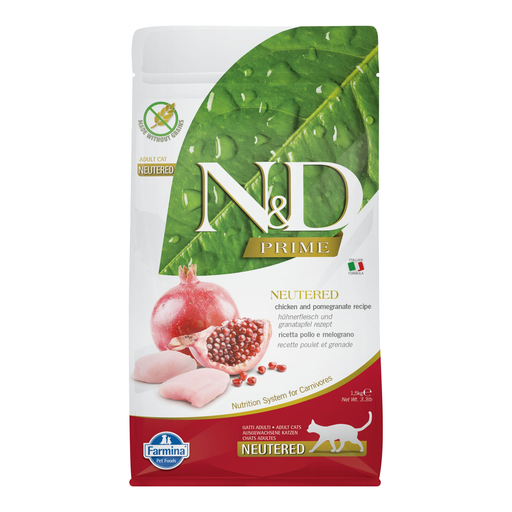
Why it's a great choice : A formula specifically designed to meet the metabolic needs of sterilised cats, who have a tendency to gain weight.
This isn't a generic product. Its formula is clearly identified and adapted, with a protein-to-fat ratio designed for weight management. Far more reliable than a simple "light" claim.
This kibble for sterilised cats boasts a high protein content (38%) to maintain muscle mass, while controlling the fat content (16%).
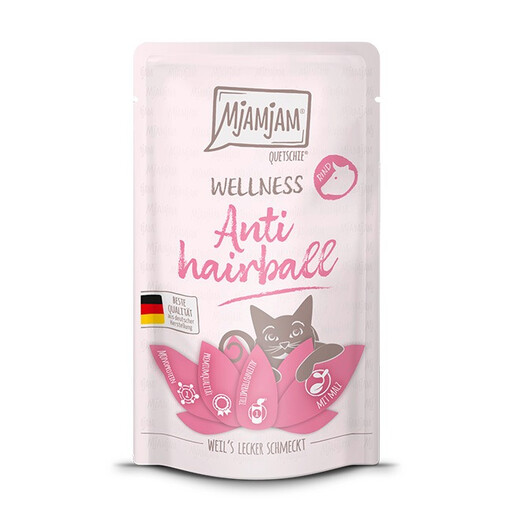
Why it's a great choice : The targeted solution for cats (especially long-haired ones) prone to hairballs, a common nuisance that can quickly become a real problem.
Rather than a vague promise of "wellness," this anti-hairball p?té includes specific ingredients like malt and fibre (from chicory) to aid digestion and the natural elimination of ingested hair.
It's a complete food that combines a very high meat content (67% beef) with targeted action, all with maximum palatability.
We have compiled a complete and up-to-date selection of products that meet our strict selection criteria and current regulations.
A sudden transition can cause digestive upset. The ideal approach is to do it in stages over 7 to 10 days. Start by mixing 25% of the new food with 75% of the old, then gradually increase the proportion of the new food until the old one is completely replaced.
There's no one-size-fits-all answer, as both formats have their advantages. Cat kibble promotes oral health through its mechanical brushing effect and is easy to store. Cat p?té, or wet food, is highly palatable and, most importantly, rich in water—a major plus for hydration and kidney health. Mixed feeding is often the ideal compromise to get the benefits of both.
Not necessarily. Although cats have no physiological need for grains, most can digest them in moderate amounts without any issues. A grain-free cat food is mainly relevant for animals with a diagnosed intolerance or allergy. For a healthy cat, a quality recipe with a small amount of whole grains is not a deal-breaker. The absolute priority remains a high content of quality animal protein.