
Livraison le jour même ou le lendemain

Qualité garantie

Débloquez vos offres de bienvenue: Livraison GRATUITE | Jusqu'à -80 % | 30 jours d'essai gratuits à JoyPlus
Téléchargez l'application
Choosing the right cat food can quickly become overwhelming. Between marketing promises, opaque ingredient lists, and eye-catching packaging, it's easy to get lost. As a product expert for Joybuy, my mission is to help you see things more clearly. Let's forget the advertising jargon and focus on the facts to provide the very best for your companion.
But before we get to our top picks, let's review the most common mistakes. These are errors that can be costly, both for your wallet and your pet's health.
To avoid falling into these traps, you just need to focus on a few key points. Here are three habits to adopt before every purchase.
The ingredient list is your best friend. It's always ordered by decreasing weight, meaning the first ingredient is the most abundant.
A kitten's needs are not the same as those of a sterilised adult. Their diet must evolve with them.
Do you have to choose? Not necessarily. A mixed approach, or combination feeding, is often the most balanced solution.
Combining the two allows you to reap all the benefits: for example, a portion of wet cat food in the morning and kibble available for free-feeding throughout the day.
To help you move from theory to practice, here are a few products that meet specific needs while respecting the criteria we've just discussed.
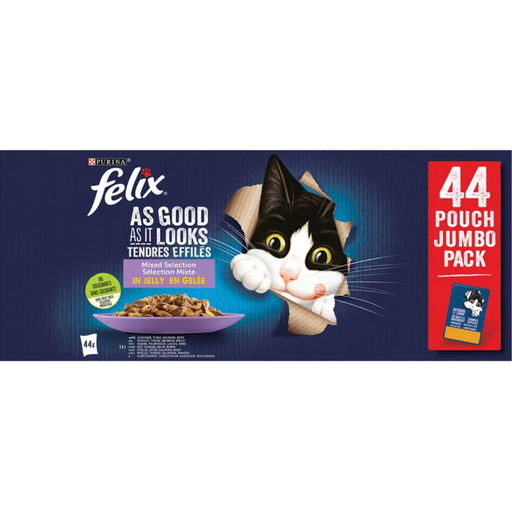
Why it fits the bill: This cat food bundle is perfect for those looking to manage their budget without sacrificing variety. The 44 pouches allow you to mix up the flavours (salmon, beef, chicken, tuna) and prevent your cat from getting bored.
It counters the risk of waste associated with buying a single flavour in bulk. The varied selection ensures long-term palatability, justifying the purchase of a large format.
Unbeatable value for money. Contains vitamins D and E as well as omega-6 fatty acids for skin and coat health. Suitable for sterilised cats.
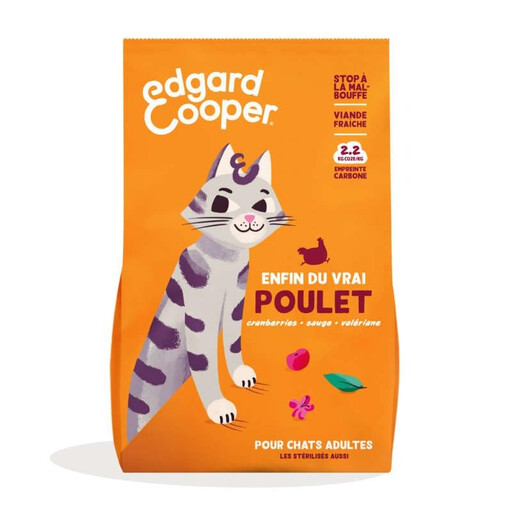
Why it fits the bill: Perfect for owners seeking a transparent, high-quality ingredient list, especially for cats with sensitive digestion. The recipe is grain-free and features a high content of fresh meat.
It sidesteps the vague marketing claims trap by clearly listing its ingredients: 50% fresh free-range chicken as the first ingredient, with no meat meal whatsoever.
Grain-free recipe with prebiotics for digestive health. Enriched with salmon oil and flaxseed for omega-3s (shiny coat).
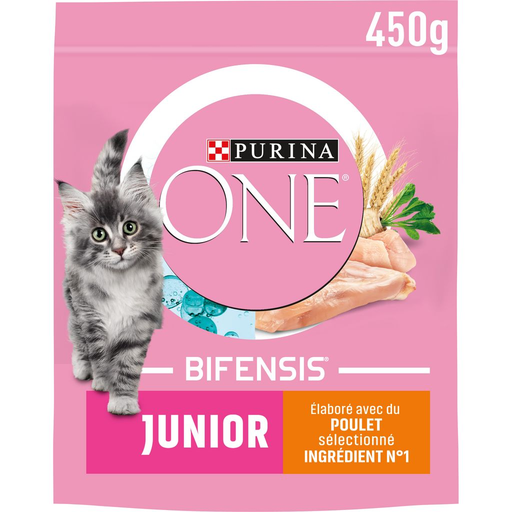
Why it fits the bill: This formula is specifically designed for the critical growth phase of kittens (from weaning to 12 months), providing the essential nutrients for their healthy development.
It avoids the mistake of feeding adult food to a kitten. Its formula is precisely calibrated for their high energy needs and development, which a standard diet cannot provide.
Contains DHA for brain and vision development. According to the manufacturer, the formula is scientifically proven to strengthen natural defences.
We have compiled a complete and up-to-date list of products that meet our strict selection criteria and the market's quality standards.
A sudden switch can cause digestive upset. To avoid this, proceed in stages over 7 to 10 days:
Monitor your cat's stools during this period. If everything is normal, you're all set.
This is an essential distinction to understand.
Yes, this is entirely possible, and some cats love the mix of textures. However, be mindful of two important points:
For these reasons, it is often simpler and more hygienic to serve wet food and kibble at separate meals.