
Livraison le jour même ou le lendemain

Qualité garantie

Débloquez vos offres de bienvenue: Livraison GRATUITE | Jusqu'à -80 % | 30 jours d'essai gratuits à JoyPlus
Téléchargez l'application
Finding the right piece of cookware can literally transform your kitchen. A cast iron Dutch oven, with its ability to distribute heat perfectly evenly and retain it for long periods, is the cornerstone of kitchens where delicious, slow-simmered meals are cherished. Whether you're a fan of slow cooking or a weekend chef looking for a versatile tool, the sheer number of models can make choosing one a daunting task.
This guide is here to help you make sense of it all. We'll break down the essential criteria and present a selection of products that cater to different needs, from grandmother's classic recipes that simmer for hours to quicker weeknight meals.
Before you jump on the first model you see, a few key points deserve your attention. They will determine whether your purchase is a daily success or a disappointment.
The choice of material is crucial: it determines heat distribution, the weight of the cookware, and how easy it is to maintain.
Make sure your future cookware is a pot compatible with all stovetops, including induction. Most recent models are, but a quick look at the spec sheet costs nothing. Another major criterion (no pun intended) is capacity. A large-capacity stockpot (over 5 litres) will be perfect for large families or for batch cooking, while a 3 to 4-litre Dutch oven will suffice for a couple or a small family.
We have selected three very different models that won us over with their performance and design.
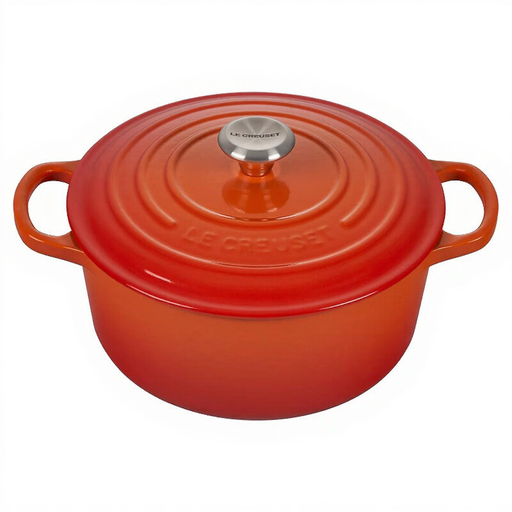
Why it stands out: This is the archetype of the traditional cast iron Dutch oven. Made in France, this Le Creuset model is a lifetime investment. Its enameled cast iron ensures exceptional heat retention and distribution, ideal for searing meat before letting it simmer for hours. Its versatility allows it to go from the stovetop to the oven without any trouble.
Pros:
Who is it for? For cooking enthusiasts looking for a durable investment and a powerful ally for mastering the classics, from beef bourguignon to homemade bread.
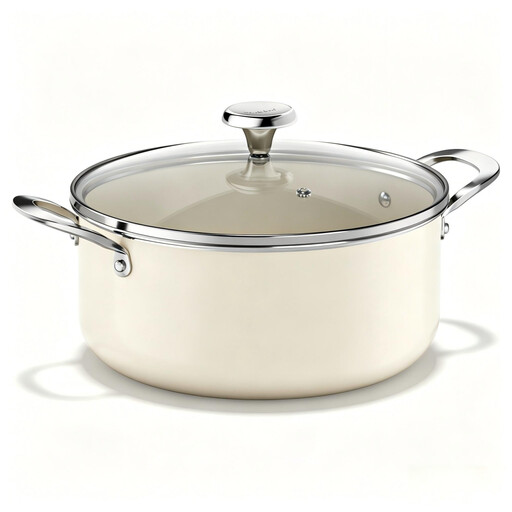
Why it stands out: This Redchef stockpot is a modern, lightweight alternative. Made of aluminum with a thick base, it heats up quickly and evenly. Its key feature: a state-of-the-art non-stick ceramic coating, free of PFAS, PFOA, lead, or cadmium, which allows for healthy cooking with very little fat and makes cleanup incredibly simple.
Pros:
Who is it for? Ideal for those who prioritize convenience and a lightweight design for daily use. Perfect for soups, pasta, or dishes that tend to stick.
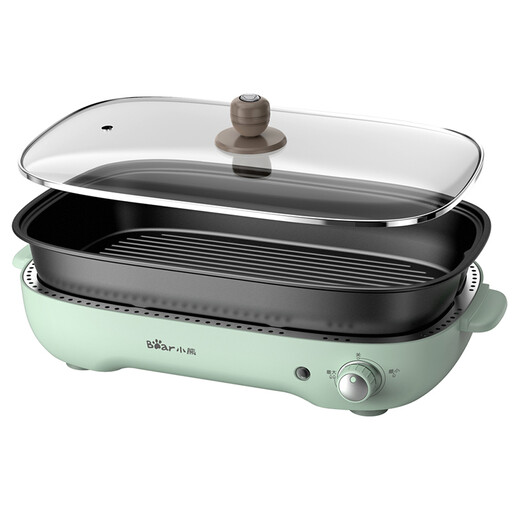
Why it stands out: While not a traditional Dutch oven, this Bear appliance is the ultimate versatile cooking tool for social dining. It combines a grill, a hot pot, and a multi-purpose griddle. Its 1200W–1400W power and precise thermostat make it a top choice for varied, hassle-free meals.
Pros:
Who is it for? For those who love to entertain and switch things up without cluttering their kitchen with multiple appliances. It's a brilliant solution for small spaces or for hosting themed dinners (grill nights, hot pot, etc.).
Didn't find what you were looking for in this selection? If these models don't check all your boxes, feel free to explore our full catalog to discover other gems.
? Discover our selection of Hot Plates for more choices.
The term "Dutch oven" (or "cocotte" in French) most often refers to a heavy cast iron pot, either round or oval, with a tight-fitting lid. "Stockpot" is more generic: it's a tall pot that can be made of stainless steel, aluminum, etc. That said, in everyday language, the two terms are often used interchangeably. You can think of the Dutch oven as a type of stockpot specialized for long, slow cooking.
The enamel protects the cast iron from rust and creates a non-stick surface. After use, let the Dutch oven cool completely before cleaning it with hot, soapy water and a soft sponge. Most models are dishwasher-safe, but hand washing is often recommended to preserve the enamel's shine over the long term.
Yes, and it's an incredibly effective technique! A Dutch oven for baking bread acts like a mini baker's oven. By preheating it along with the oven, the intense heat sears the dough from the bottom. Simultaneously, the moisture evaporating from the dough is trapped by the lid, creating a steam bath. This is what allows the bread to rise dramatically and develop a golden, unbelievably crispy crust.