
Livraison le jour même ou le lendemain

Qualité garantie

Débloquez vos offres de bienvenue: Livraison GRATUITE | Jusqu'à -80 % | 30 jours d'essai gratuits à JoyPlus
Téléchargez l'application
A cast iron Dutch oven is more than just a piece of cookware; it's the secret behind countless comfort foods, from slow-simmered stews to homemade bread with a perfect golden crust. Yet, when it comes time to buy one, excitement can quickly turn into a daunting task. Between marketing promises and sometimes staggering price differences, it's easy to end up with buyer's remorse. As the Head of Product Recommendations at Joybuy, my mission is to help you cut through the noise. Let's break down the common pitfalls and essential criteria to find the Dutch oven that will serve you for years to come.
Before diving into specific models, it's crucial to know the hidden flaws that can turn a promising purchase into a disappointment.
To make an informed choice, focus on a few objective parameters that determine the performance and longevity of your future cookware.
The choice of material depends entirely on how you plan to use it.
Performance on modern hobs, especially induction, depends entirely on the base of the cookware. For "all hobs, including induction" compatibility that lives up to its promise, make sure the base is:
Shape isn't just a matter of aesthetics.
Rather than searching for a one-size-fits-all model, it's better to choose one that matches your habits. Here is a selection for three distinct profiles.
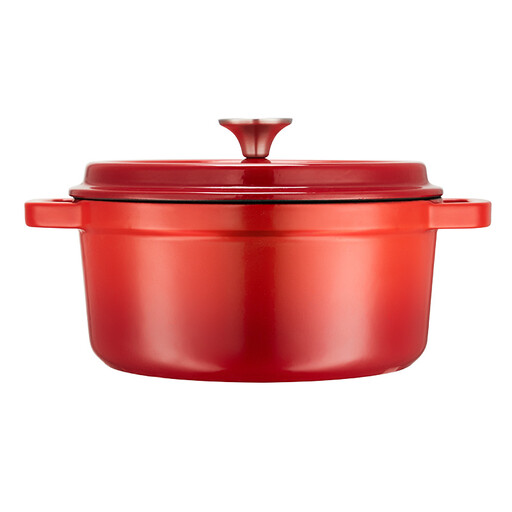
Why we chose it: This casserole is an excellent alternative to Le Creuset for those who want the performance of enamelled cast iron for daily use without the premium price tag. Its 24 cm diameter is very versatile, perfect for family meals for 3 to 4 people.
Its weight, while substantial, is well-distributed. Its enamel is designed for regular home use, offering good resistance for a controlled budget.
It ensures even heat retention and is compatible with all hobs (including induction), making it a reliable partner for all your slow-cooked dishes.
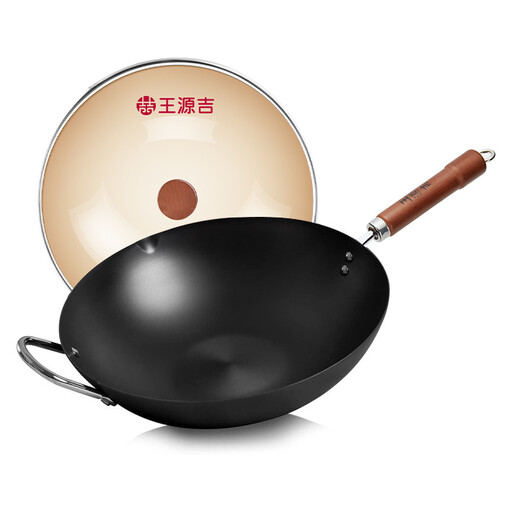
Why we chose it: For fans of Asian cuisine, a carbon steel wok is far more suitable than a Dutch oven. It's designed for rapid, high-heat cooking (stir-frying) and helps achieve the famous "wok hei"—that distinctive smoky flavour.
It doesn't fall into the "do-it-all" trap. Its raw carbon steel construction is made for searing, not simmering. Its flat bottom ensures perfect stability and compatibility on induction hobs.
Lightweight and highly responsive to heat, it develops a natural non-stick patina over time (seasoning). Its nitriding surface treatment gives it excellent resistance to rust.
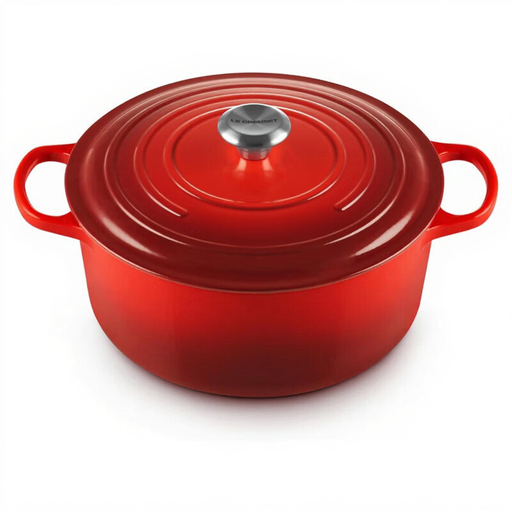
Why we chose it: For those who see cooking as a passion and a long-term investment, Le Creuset is the undisputed benchmark. This cast iron roaster is designed to last a lifetime, moving elegantly from the kitchen to the table. It's an heirloom piece to be passed down through generations.
The quality of its enamel is one of the brand's key strengths, with a renowned resistance to chipping and staining. Although heavy, its handles are ergonomically designed for a secure and comfortable grip.
Exceptional heat distribution and retention for perfectly controlled slow cooking. French-made and absolutely versatile (all hobs, oven, grill).
Explore our full selection of products that meet our strictest quality criteria.
1. Do I need to season an enamelled cast iron Dutch oven? No, and that's one of its biggest advantages. The enamel already acts as a protective, non-stick barrier. Seasoning is a process reserved for raw (un-enamelled) cast iron and carbon steel to create a natural, rust-protective patina.
2. How do I clean my Dutch oven to maximise its lifespan? The golden rule: avoid thermal shock. Always let your Dutch oven cool down completely before running it under water. Opt for cleaning with hot water, a mild detergent, and a non-abrasive sponge. Even if some models are listed as dishwasher-safe, hand washing will preserve the enamel's shine for much longer.
3. Is a cast iron Dutch oven always the best choice for simmering? For slow, gentle cooking, the thermal inertia of cast iron (its ability to retain and distribute heat evenly) is unparalleled. This makes it perfect for stews, braises, or curries. However, for cooking that requires responsiveness (searing meat, stir-frying vegetables), a carbon steel wok or a good stainless steel pan will be much more effective additions to a well-equipped kitchen.