
Livraison le jour même ou le lendemain

Qualité garantie

Débloquez vos offres de bienvenue: Livraison GRATUITE | Jusqu'à -80 % | 30 jours d'essai gratuits à JoyPlus
Téléchargez l'application
Cast iron cookware has a lot going for it: it’s robust, retains heat remarkably well, and lends itself to a huge range of recipes. But a poorly thought-out purchase can quickly become a chore – think excessive weight, regular maintenance, a diameter that’s too small, or incompatibility with induction hobs. Before you opt for a cast iron casserole dish, a cast iron frying pan or a complete set, it’s worth running through a few key criteria.
Bare cast iron generally needs to be seasoned, dried carefully and protected from moisture. Over time, it can develop a naturally non-stick surface, but this result depends heavily on the care you take and the quality of the seasoning.
An enamelled cast iron saucepan, on the other hand, has a vitrified surface that makes day-to-day life much simpler. It doesn’t require the same seasoning process, although its enamel remains sensitive to thermal shock and overly abrasive utensils. A product description that only mentions “cast iron” isn’t enough – always check whether the item is enamelled or not.
A casserole dish that works on gas won’t necessarily work on all hobs. To choose a casserole dish compatible with induction, look for an explicit statement from the manufacturer. Also check the shape and diameter of the base – a base that’s too small or uneven can affect stability and ease of use.
Some models are designed for multiple heat sources, while others – such as a cast iron wok specifically intended for gas – may have restrictions. You should also check compatibility with the oven, the maximum temperature it can withstand, and whether it’s dishwasher-safe, all of which should be listed in the specifications.
Cast iron is dense, and you’ll feel it. A large, full casserole dish can become difficult to handle, especially in a family kitchen or when cupboard space is already tight. The outer diameter, capacity in litres and width of the handles matter just as much as how the item looks.
A cast iron cookware set might look good on paper, but it takes up more space and sometimes includes sizes you’ll rarely use. For everyday cooking, a trio consisting of a casserole dish, a frying pan and a cast iron stockpot can be far more practical.
Enamelled cast iron is particularly well suited to stews, sauces and acidic preparations, as long as you follow the manufacturer’s recommendations. Bare cast iron, on the other hand, excels at searing, frying and cooking at high temperatures, but it demands a more rigorous maintenance routine.
Don’t take a simple marketing promise as a guarantee of non-stick performance. With bare cast iron, the result depends on the seasoning, the temperature and the amount of fat you use. For an enamelled pan, pay attention to the guidelines about scratches and knocks.
Before you place an order, check the following points:
These checks help you avoid nasty surprises and extend the lifespan of your durable cookware.
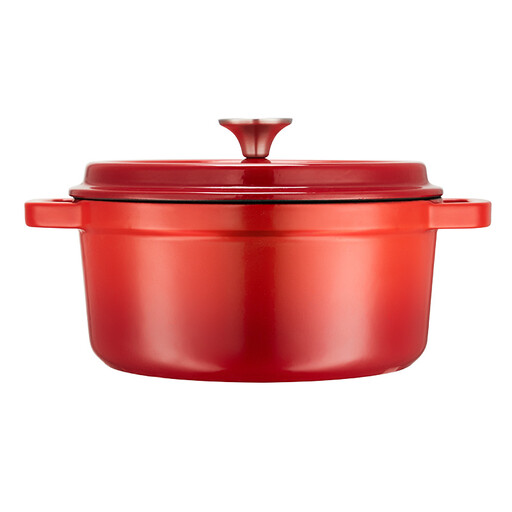
Why this choice suits this profile: At 24 cm in diameter, it offers a versatile size for getting started with an enamelled cast iron casserole dish without investing in a full set straight away.
The clearly stated diameter reduces the risk of buying a casserole dish that’s too large for everyday meals. Still, check its compatibility with your hob before purchasing.
Enamelled cast iron, a capacity suited to versatile use and a stockpot-style design, practical for stews and braised dishes.
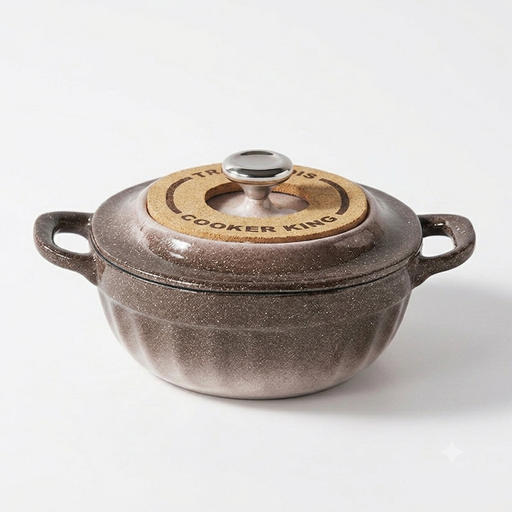
Why this choice suits this profile: This enamelled saucepan is aimed at users who care about the finish and are looking for a dedicated piece for everyday cooking.
The enamelled surface prevents you from confusing the care of bare cast iron with that of a protected saucepan. Check the product sheet for compatible heat sources and washing methods.
An enamelled surface and a specialised size, ideal for preparations that need a dedicated saucepan.
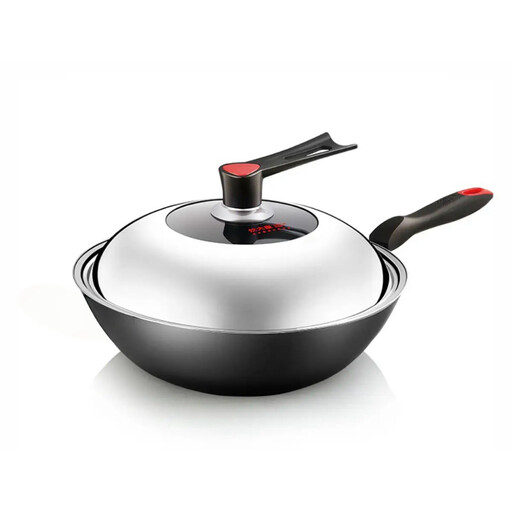
Why this choice suits this profile: With its 32 cm diameter and lid, it’s suitable for stir-fries, braised dishes and family-sized portions.
The product sheet specifies hand washing and use on a gas hob – this information stops you from buying it by mistake for an induction hob.
A cast iron construction, a glass lid, a 32 cm diameter and a design suited to searing, stir-frying or braising.
For a bare cast iron frying pan or wok, remove food residue with hot water and a soft brush, then dry the item immediately. You can apply a thin film of oil before storing it. Avoid prolonged soaking and keep it in a dry place.
With an enamelled casserole dish, use a non-abrasive sponge and wait until the pan has cooled down before cleaning it. Sudden temperature changes can weaken the enamel. Handles and the lid should also be handled with suitable protection – cast iron stays hot for a long time after cooking.
It depends on the model. Cast iron is generally magnetic, but compatibility must be confirmed on the manufacturer’s product sheet. Also check the diameter of the base and the recommendations regarding the oven and other heat sources.
A cast iron frying pan is thicker and retains heat for longer, but it’s also heavier. Carbon steel is generally lighter and responds more quickly to temperature changes. In both cases, seasoning may be necessary if the item doesn’t have an enamelled coating.
It can be worthwhile for households that regularly use several sizes for searing, braising or oven cooking. To keep costs and storage space down, start with a cast iron stockpot or a casserole dish suited to your usual number of guests. You can then add a frying pan or a wok depending on your cooking habits.