Who is this guide for?

Anyone looking for a plant-based snack around their workouts

If you want to know how much protein is in your portion, compare the nutritional information for plain or no-added-salt options. The presence of protein does not automatically make a pack ‘high in protein’.

Hosts keeping an eye on salt at Christmas

If you’re already planning to serve other salty foods at Christmas, a plain or no-added-salt option lets you choose the seasoning separately. Still, check the ‘salt’ line on each pack.

Anyone who loves festive flavours

Honey-and-salt, caramelised and spicy recipes are first and foremost a way to add variety to your drinks and nibbles. Before sharing them, check the ingredients list, sugar and salt content, and allergen information.

Which criteria should you compare?

Start by choosing according to what matters most to you, then compare the labels of specific products rather than relying on the words ‘cashew nuts’ alone.

Criteria What to check Who is it for?
Protein and portion size Compare the protein and energy per 100 g, then calculate the figures for the portion you plan to eat. After a workout, I want to know how much my snack really provides rather than relying on a claim on the front of the pack; around 50% of consumers put protein and portion size at the heart of their choice.
Salt and recipe Read the ‘salt’ line and ingredients list: ‘roasted’ does not mean ‘no added salt’. If there are already salty foods on the table, I’d rather choose a simple recipe; limiting salt or added ingredients is a priority for around 30% of consumers.
Flavour for drinks and nibbles For a seasoned recipe, compare the sugar and salt content and allergen information on the pack. For sharing at Christmas, I’m mainly looking for a savoury, spicy or sweet flavour; around 20% of consumers prioritise this kind of treat.

Mistakes to avoid

  • Assuming a product is ‘high in protein’ based on the grams alone

    In the European Union, Regulation (EC) No 1924/2006 reserves this claim for foods that derive at least 20% of their energy from protein. So the number of grams per 100 g is not enough, on its own, to use the claim.

    When choosing your snack, check the energy information too and calculate the figures for your portion. Don’t repeat the claim unless the threshold has been met.

  • Choosing a honey-and-salt recipe based on its protein content alone

    The TOKAPI product information published by E.Leclerc lists 39.7% sugar among the ingredients. The nutritional information recorded for this product gives 38.1 g of sugars and 12.8 g of protein per 100 g. It may be a good choice for drinks and nibbles, but not necessarily if you’re looking for a protein-focused snack.

    If protein is your main priority, compare this recipe with a plain version and read all the nutritional information.

  • Assuming all roasted cashew nuts contain the same amount of salt

    Product information from Auchan and Monoprix gives 0.03 g of salt per 100 g for an Auchan plain option and 1 g per 100 g for Monoprix roasted and salted cashew nuts, respectively.

    Compare the ‘salt’ line for the product you buy; the word ‘roasted’ alone doesn’t tell you how it has been seasoned.

  • Serving a pack without checking its allergen information

    Information published by Carrefour and Monoprix notes that some products may contain traces of peanuts or other tree nuts. Monoprix’s roasted and salted option also mentions gluten and soya.

    Check each pack before serving, and leave it where guests can refer to the information if they need to.

Brands to consider

Carrefour

Carrefour’s range includes cashew nuts with no added salt as well as roasted and salted options.

  • Carrefour Original’s no-added-salt option is available in a 200 g pack.
  • Its product information warns that it may contain traces of peanuts and other tree nuts.

E.Leclerc

The documented options include BIO VILLAGE organic roasted cashew nuts and a TOKAPI honey-and-salt recipe.

  • E.Leclerc lists 20.3 g of protein and 0 g of salt per 100 g for the BIO VILLAGE option.
  • This BIO VILLAGE recipe contains 3.1% sunflower oil; the TOKAPI honey-and-salt recipe offers a different flavour.

Auchan

Auchan offers plain cashew nuts, roasted no-salt options and salted varieties.

  • Auchan’s 200 g plain option lists 18 g of protein and 0.03 g of salt per 100 g.
  • This product may contain traces of peanuts and other tree nuts.

Lidl

Lidl’s Alesto range includes plain cashew nuts and mixes for snacks or drinks and nibbles.

  • The plain option is worth considering if you want to compare its ingredients with those of a seasoned recipe.
  • To choose a specific product, check its nutritional information and allergen details on the pack.

Aldi

ALDI sells dry-roasted and no-added-salt cashew nuts under the TRADER JOE'S® brand.

  • Both types of recipe let you choose according to your preferred seasoning.
  • Check the protein and salt content on the pack before comparing your chosen product with others.

Monoprix

Monoprix offers a 200 g plain option and a 125 g roasted and salted variety.

  • The product information for the roasted and salted option lists 20 g of protein per 100 g.
  • The same information lists 1 g of salt per 100 g and warns of possible traces of peanuts, other tree nuts, gluten and soya.

Cashew nuts available on Joybuy

These Joybuy options include unsalted, salted and spicy cashew nuts. Choose a recipe to suit your snack or drinks and nibbles, then check the nutritional information and allergen details on the pack.

130 g pack of BENENUTS unsalted cashew nuts

BENENUTS Unsalted Cashew Nuts 130 g

Worth considering if you’re looking for an unsalted snack or something to share. The pack contains 130 g; check its nutritional information and ingredients list if comparing protein and overall composition is a priority.

View on Joybuy

165 g pack of BENENUTS dry-roasted cashew nuts

BENENUTS Dry-Roasted Cashew Nuts 165 g

A roasted option to consider for drinks and nibbles. The pack contains 165 g; ‘dry-roasted’ alone doesn’t tell you how much salt it contains, so check the label if you’re also serving other salty foods.

View on Joybuy
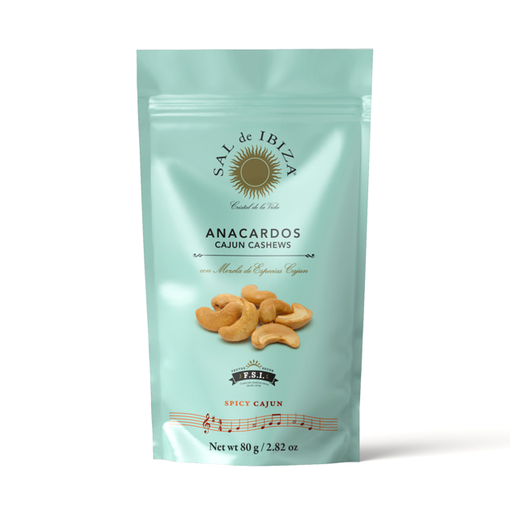
80 g pack of SAL DE IBIZA Creole Spiced Cashews & Sdi

SAL DE IBIZA Creole Spiced Cashews & Sdi 80 g

This 80 g pack of spicy cashews is a good fit if you’re after a seasoned flavour for drinks and nibbles. If you’d prefer a simple or less salty recipe, compare its ingredients and ‘salt’ line with those of other options.

View on Joybuy

120 g pack of Xue Ji Chaohuo salted cashew nuts with skin

Xue Ji Chaohuo Salted Cashew Nuts with Skin 120 g

A salted option with the skins on to consider when you’re looking for a seasoned flavour for drinks and nibbles. The pack contains 120 g; check the salt content if it’s a deciding factor for you.

View on Joybuy

500 g pack of GOLDEN TURTLE cashew nuts

GOLDEN TURTLE Cashew Nuts 500 g

The 500 g pack is worth considering if you’re planning to serve cashew nuts to a group or keep some for cooking. Check the label for the recipe, nutritional information and storage instructions after opening.

View on Joybuy

Frequently asked questions

Can these cashew nuts be described as ‘high in protein’?

Not based on the protein grams alone. In the European Union, Regulation (EC) No 1924/2006 requires at least 20% of a food’s energy to come from protein before this claim can be used. Figures published by Auchan for its plain option and for Papapéro roasted unsalted cashew nuts work out at around 12% and 15%, respectively, so neither example meets the threshold.

How can I choose less salty cashew nuts for drinks and nibbles?

Look for a plain option or one labelled ‘no added salt’, then compare the salt per 100 g. Product information from Auchan and Monoprix lists 0.03 g per 100 g for Auchan’s plain option, compared with 1 g per 100 g for Monoprix’s roasted and salted option. Check the figures on the pack you buy.

Which allergen information should I check before serving?

First, check for cashew nuts, which are tree nuts, then look for any trace warnings specific to each pack. Depending on the product, Carrefour and Monoprix warn of possible traces of peanuts or other tree nuts. Monoprix also mentions gluten and soya for its roasted and salted option.

How should I store cashew nuts after opening?

Follow the instructions on the pack you buy. The products covered here generally advise storing them in a cool, dry place and sealing the pack carefully. For its plain option, Auchan’s product information specifies that it should be eaten within five days of opening.