People looking for a plant-based snack for sport
Compare the protein, salt and energy per 100 g, then work out how these figures relate to the portion you plan to eat. The words “high protein” are no substitute for the nutritional information.


For a snack to enjoy around your sports activities, compare the protein content per 100 g, then check the ingredients, salt and the portion you plan to eat. Protein content alone does not prove that a product helps with recovery. If you’re allergic to cashews, avoid these products. For other allergens, check the ingredients and the may-contain information on the specific pack.
Compare the protein, salt and energy per 100 g, then work out how these figures relate to the portion you plan to eat. The words “high protein” are no substitute for the nutritional information.
If you’re allergic to cashews, these products aren’t suitable because they contain cashews. If you avoid peanuts or other allergens, check the ingredients and the may-contain information for each product too.
A plain or unsalted option may suit you, but make sure you read the ingredients list. Check allergens separately: a short ingredients list doesn’t necessarily mean a product is suitable for you.
When choosing cashews for a sports snack, first check for any allergens you need to avoid. Then compare the nutritional information and pack size to find an option that suits you.
| What matters | What to check | Who is it for? |
|---|---|---|
| Allergens and traces | Read the ingredients and “may contain” information on the specific pack. Avoid cashews if you’re allergic to them. | If I need to avoid cashews, I can’t choose this snack; if I need to avoid another allergen, declared traces matter too. Around 31% of consumers put allergen compatibility first. |
| Declared protein content | Compare the protein content on the same basis, per 100 g, then consider the portion you plan to eat. | If I want to include plant-based protein in my sports snack, I need to know how much I’ll get from the amount I eat. Declared protein content is the top priority for around 31% of consumers. |
| Ingredients and salt | Check the ingredients list and salt per 100 g, especially when comparing plain and seasoned options. | If I prefer cashews with few added ingredients, I won’t choose a salted option based on its protein content alone. Around 23% of consumers prioritise ingredients or salt. |
| Pack size and storage | Check the pack size and storage instructions for after opening. | A large pack should suit how much I eat and be easy to store as directed. For around 15% of consumers, pack size is the main consideration. |
Figures per 100 g don’t tell you how much you’ll eat or what else is in your meal. Nor do they prove that a product helps with recovery.
Compare protein and energy on the same basis, then consider the portion you plan to eat.
Carrefour says its Original cashews with no added salt may contain traces of peanuts and other nuts.
Read the allergen information for the product you’re buying, even if it’s plain or unsalted.
According to their respective product details, PAPAPERO lists cashews as the only ingredient, while TOKAPI also contains sunflower oil and salt. Seasoned options may include other ingredients.
Compare the ingredients, salt and may-contain information for each product.
The pack size should suit how quickly you’ll eat the cashews. Carrefour’s product details for Seeberger cashews say to store them away from heat and moisture.
Check the quantity and instructions on the pack before choosing a large size.
Auchan offers a 100 g pack of roasted, unsalted cashews.
Carrefour offers a 200 g pack of cashews with no added salt.
This 200 g pack of cashews can be compared with salted options using the declared nutritional values.
The Marque Repère product sold by E.Leclerc is roasted in oil and salted, in a 400 g pack.
The products mentioned include 200 g packs of raw cashews and 125 g packs of roasted, salted cashews.
The 200 g pack of plain cashews is listed by Monoprix and Carrefour.
These Joybuy options include unsalted, roasted, salted and spiced cashews. First choose according to the allergens you need to avoid, then compare the ingredients and nutritional information for the specific product.
 Image unavailable
Worth considering if you prefer unsalted cashews for your snack. The pack contains 130 g. Check its may-contain information if you need to avoid peanuts or other nuts. This product contains cashews.
 Image unavailable
This 500 g pack may suit you if the quantity matches how much you eat. It contains cashews; if you need to avoid other allergens, check the precautionary information on the pack.
 Image unavailable
This dry-roasted option is seasoned, unlike plain cashews. Joybuy declares 18 g of protein and 0.92 g of salt per 100 g. The product details also warn that traces of peanuts and other nuts may be present. Check the pack’s label against the allergens you need to avoid.
 Image unavailable
Consider this if you’re specifically looking for salted cashews with the skin on. The 120 g pack contains cashews, so check its allergen information and compare its salt content with an unsalted option.
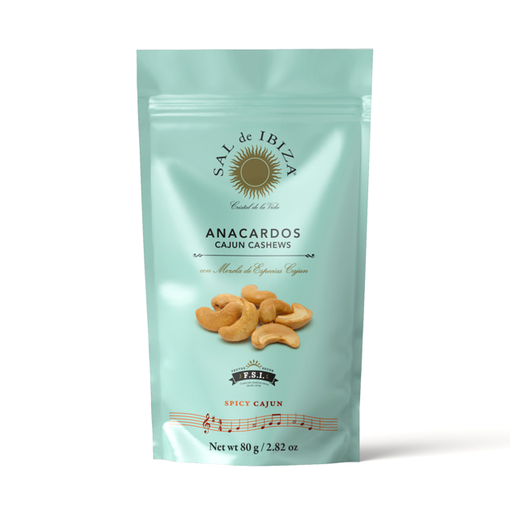 Image unavailable
This 80 g pack is for anyone who’d like a spiced option rather than plain cashews. As it contains cashews and seasoning, read the ingredients list and may-contain information before choosing it.
No. These products contain the ingredient you’re allergic to. Choosing a plain or unsalted option doesn’t change that.
No. This label relates to salt. Carrefour says its Original option with no added salt may contain traces of peanuts and other nuts. Read the allergen information for the product you’re buying.
Compare the figures per 100 g before looking at your portion. Among the product details mentioned, Auchan declares 23 g of protein per 100 g for PAPAPERO and 18 g for its AUCHAN option; Monoprix states around 21 g for plain Seeberger cashews. These figures alone aren’t enough to assess sports recovery.
Follow the instructions on the pack. Carrefour’s product details for Seeberger cashews say to store them away from heat and moisture. Instructions for after opening may vary from one product to another.