Anyone who likes to have a snack to hand while revising
If you’re looking for ready-to-eat cashew nuts, compare the protein and energy per 100 g, as well as the ingredients list, rather than relying on the words ‘high protein’ alone.


For a revision snack, choose plain cashew nuts if you want a simple ingredient list, or a roasted version if you prefer them prepared that way. Just remember that ‘dry roasted’ doesn’t mean ‘unsalted’. Whichever pack you choose, compare protein, energy and salt per 100 g, then check the allergens and storage instructions after opening.
If you’re looking for ready-to-eat cashew nuts, compare the protein and energy per 100 g, as well as the ingredients list, rather than relying on the words ‘high protein’ alone.
If cashew nuts are part of your snack around a workout, distinguish between plain, dry-roasted and no-added-salt varieties: these labels don’t all describe the same recipe.
Before choosing a pack size, check the allergens, any ‘may contain’ warnings and the storage instructions after opening on the pack in question.
Start by choosing the type of cashew nuts that suits your preferences, then compare the labels on the same 100 g basis.
Worth considering: if you want a recipe containing only cashew nuts, such as the products described by Auchan and Monoprix.
Bear in mind: ‘plain’ alone doesn’t tell you how much protein or energy the product contains.
Worth considering: if you prefer roasted nuts or are looking for a product explicitly labelled unsalted.
Bear in mind: dry roasting doesn’t guarantee that no seasoning has been added; check the ingredients of the product you choose.
Worth considering: if you’re mainly looking for a salty taste.
Bear in mind: Monoprix Bio’s product combines cashew nuts, sunflower oil and salt; its protein content alone doesn’t tell you everything about its ingredients.
| What matters | What to check | Who is it for? |
|---|---|---|
| Protein and energy | Both values per 100 g, then the amount you plan to eat. | For a break while revising, I want to compare the protein content without losing sight of the energy in my snack. Around 45% of consumers prioritise this comparison. |
| Salt and ingredients | The ‘salt’ line and whether the ingredients list includes oil or seasoning. | If I prefer a non-salty taste, the difference between plain nuts and seasoned roasted nuts matters when I choose; around 33% of consumers put salt and added ingredients first. |
| Allergens and storage | Allergens, ‘may contain’ warnings and instructions for after opening. | A pack intended for several breaks needs to suit my allergy requirements and how quickly I eat it. Around 22% of consumers prioritise these points. |
The Auchan and Monoprix Bio product pages show different protein contents, but also different energy values and recipes. One figure isn’t enough to describe a snack.
Compare protein, energy and salt per 100 g, then take into account how much you’ll eat.
How nuts are roasted and how they’re seasoned are two separate things: a roasted product can also be salted.
Read the ingredients list and the ‘salt’ line, even if the front of the pack focuses on roasting.
Cashew nuts are an allergen in their own right. The Auchan product page also warns that the product may contain traces of peanuts and other nuts.
Check the labelling on the specific pack before buying, even when the recipe looks simple.
For its cashew nuts, Auchan recommends protecting the product from heat and moisture, then eating the contents within five days of opening if the pack is sealed airtight.
Choose a pack size that suits how quickly you’ll eat it and follow the instructions on your packaging.
Carrefour stocks plain cashew nuts, including a Jardin Bio product made with organic raw cashew nuts.
The Bio Village range includes organic roasted cashew nuts.
The 200 g pack of Auchan cashew nuts lists cashew nuts as its only ingredient.
Lidl stocks plain cashew nuts in its Alesto nuts range.
Aldi’s Trader Joe’s range includes unsalted roasted cashews and a dry-roasted variety.
Monoprix stocks raw cashew nuts and a Bio variety that’s roasted and salted.
These products include unsalted, dry-roasted, unseasoned and seasoned cashew nuts for a revision break. The product name is a useful starting point, but always check the pack label when comparing recipes and nutritional values.
 Image unavailable
Worth considering if you’re looking for cashew nuts described as unsalted for your revision breaks. If you also want to avoid added ingredients, check the ingredients list: this product contains sunflower oil. Check the pack for allergen warnings.
 Image unavailable
An option to consider if you prefer dry-roasted cashew nuts. This product is seasoned, so don’t assume that ‘Dry Roasted’ means it contains no salt. Check the ‘salt’ line and allergen information before choosing.
 Image unavailable
This size could suit you if you’re planning several breaks and want cashew nuts without added seasoning. Storage after opening is important with a 500 g pack. Also check for warnings about peanuts and other nuts if these are relevant to you.
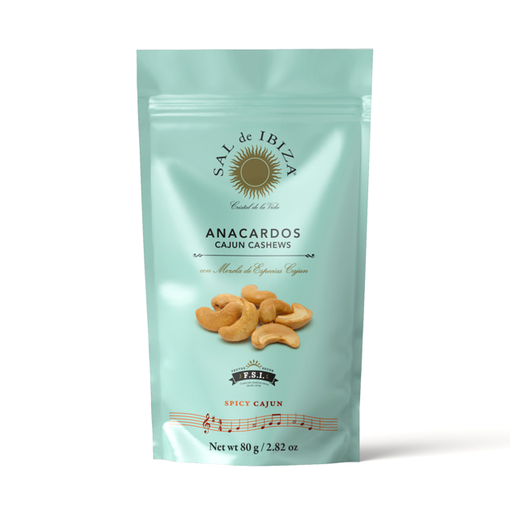 Image unavailable
Worth considering if you’d like a cashew snack with Creole spices rather than a plain version. The recipe also includes salt and sunflower oil; check the full ingredients list and allergen information on the pack.
 Image unavailable
This product is for anyone looking for salted cashew nuts with their skins on. If you’re comparing snacks, look at the salt content alongside protein and energy. Also follow the instructions on the pack for after opening.
No. For a revision snack, compare the products’ nutritional values rather than relying on the product name alone. The Auchan, E.Leclerc Bio Village and Monoprix Bio product pages list 18 g, 20,3 g and 21 g of protein per 100 g respectively. Also check the energy, salt and the amount you plan to eat.
Look for an explicit ‘no added salt’ label or an ingredients list containing only cashew nuts, then check the ‘salt’ line in the nutritional information. ‘Dry roasted’ describes a preparation method, not necessarily the absence of seasoning.
Follow the instructions for the product you’ve bought. For its cashew nuts, Auchan advises keeping the product away from heat and moisture, sealing the pack tightly and eating the contents within five days of opening.
Check for cashew nuts and any ‘may contain’ warnings on the specific pack. The DGCCRF reminds consumers that allergenic ingredients must be highlighted on labels; the Auchan product page, for example, warns that the product may contain traces of peanuts and other nuts.