What should you look for before choosing?
To compare these snacks, start with the recipe and nutritional values per 100 g, then choose a format that suits an individual portion or sharing.
| Criteria | What to check | Who is it for? |
|---|
| Protein |
Compare the protein per 100 g and per portion. Distinguish plain nuts from a bar made with several ingredients. |
After being active, I want to know what my snack actually provides, without treating every recipe containing cashews as the same. Around 39% of consumers put this protein comparison at the heart of their choice. |
| Salt and ingredients |
Read the ingredients list and check the salt per 100 g. Look for the words “no added salt” on the product you choose. |
If I’m taking nuts to an evening event, I want to know what’s been added before choosing a seasoned recipe. Around 38% of consumers put control over salt and ingredients first. |
| Format |
Check the weight of the bag or bar and decide whether you want a portion to take with you or something to share. |
I’m mainly looking for a snack that’s easy to carry or put out on the table for several people. Format is the main consideration for around 23% of consumers. |
Cashews available on Joybuy
These cashew options range from lightly seasoned recipes to salted or spicy varieties, for an individual snack or something to share during the Fête de la musique.
 Image unavailable
GOLDEN TURTLE Cashew Nuts 500 g
Worth considering if you want to divide a bag of cashews into several portions or share it. The 500 g pack isn’t an individual portion, so check the label for allergen information and storage instructions.
 Image unavailable
BENENUTS Unsalted Cashew Nuts 130 g
Consider this if you prefer unsalted cashews in a 130 g bag. “Unsalted” doesn’t tell you what else is in the product, so read the ingredients and allergen information on the pack.
 Image unavailable
BENENUTS Dry-Roasted Cashews 165 g
This 165 g bag could be a good choice to serve with drinks. “Dry-roasted” describes how the cashews are prepared, but it’s still worth checking the ingredients and salt content if these matter to you.
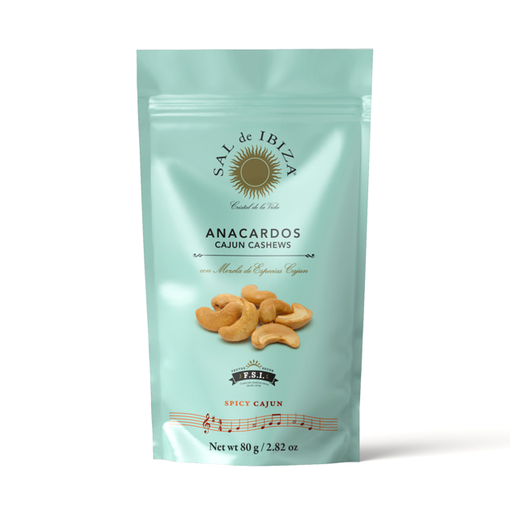 Image unavailable
SAL DE IBIZA Creole Spiced Cashews 80 g
This spicy recipe in an 80 g bag is for anyone looking for a seasoned flavour rather than plain nuts. Check the ingredients, salt and allergen information before taking it with you.
 Image unavailable
Xue Ji Chaohuo Salted Cashews with Skins 120 g
Worth considering if you’re looking for salted cashews with their skins on in a 120 g bag. If you’re keeping an eye on salt, compare the values per 100 g with a plain option and choose your portion accordingly.
Frequently asked questions
Are cashews enough for a post-workout snack?
They can provide plant-based protein, but they don’t guarantee recovery on their own. Monoprix’s listing for Seeberger plain cashews gives 21 g of protein per 100 g. Also consider the portion you eat and how this snack fits into your diet.
How do you choose between plain and roasted, salted cashews?
If your priority is to limit salt and other additions, start with an option clearly labelled plain or no added salt, then check its label. For comparison, E.Leclerc lists 0.8 g of salt per 100 g for its TOKAPI roasted and salted cashews, compared with 0.02 g per 100 g on Monoprix’s listing for Seeberger plain cashews.
What should you check on the label if you have an allergy?
Read the ingredients and any precautionary allergen statements on the pack you’re going to eat. In France, the DGCCRF says that allergenic ingredients must be highlighted on prepacked food labels. Depending on the product, Carrefour and Seeberger listings also warn of possible traces of peanuts or other tree nuts.
How should you store an opened bag after the event?
Follow the instructions on the bag you’ve bought. The Seeberger and Auchan product listings reviewed recommend protecting their products from heat and moisture. Auchan also says to seal its plain mix tightly after opening.
Can you leave whole cashews within reach of young children?
Keep them out of reach. Seeberger and Monoprix Bio product listings warn that whole tree nuts can pose a choking risk for young children, particularly those under 4.


