Hosts welcoming a guest with a tree nut allergy
If cashews are among the foods they need to avoid, have a different snack ready. For any other dietary exclusion, check the ingredients and any ‘may contain’ warnings on the product you choose.


If a guest needs to avoid cashews or tree nuts, choose a different type of snack: unsalted cashews are still cashews. If your guests can eat them, check the ingredients and any ‘may contain’ warnings, then choose a recipe based on the amount of added salt and the flavour you’re looking for.
If cashews are among the foods they need to avoid, have a different snack ready. For any other dietary exclusion, check the ingredients and any ‘may contain’ warnings on the product you choose.
If you can eat cashews, compare the ingredients lists: an unsalted recipe may contain only cashews, or it may also include oil.
The flavour you’re after, the seasoning and the pack size all matter when you’re getting the table ready. If you won’t finish the pack, check the storage instructions too.
For your French National Day drinks and nibbles, first identify any allergens to avoid. Then compare the recipes and pack sizes to find products suitable for your guests.
| What matters | What to check | Who is this for? |
|---|---|---|
| Allergens | The ingredients list and any ‘may contain’ warnings on the pack; avoid cashews if they’re among the foods that need to be excluded. | If a guest needs to avoid cashews, I should choose a different snack rather than an unsalted version. Around 40% of consumers would put avoiding an allergen at the top of their list of concerns. |
| Salt and ingredients | The ingredients, including any oil, and the ‘salt’ entry in the nutritional information per 100 g. | If I’m serving unsalted cashews, I want to know exactly what’s in the pack. A simple recipe or less added salt would be the main priority for around 30% of consumers. |
| Flavour for drinks and nibbles | Whether the cashews are roasted, and whether the recipe includes seasoning or added salt. | If guests are expecting a salty flavour, I’ll choose a different recipe from one intended for an unsalted spread. Flavour would come ahead of other criteria for around 20% of consumers. |
| Pack size and storage | The net weight, best-before date and instructions for storage after opening. | If I’m expecting leftovers, I’d prefer a pack I can store according to the instructions on the label. Pack size and managing leftovers would be the main concern for around 10% of consumers. |
Cashews with no added salt still contain cashews. Carrefour Le Marché’s product listing also warns that the product may contain traces of peanuts, sesame and soya, among other allergens.
If a guest needs to avoid cashews or tree nuts, choose a different type of snack, then check the packaging for any allergens relevant to them.
The unsalted Papapero and TOKAPI products listed by Auchan and E.Leclerc don’t have the same ingredients: TOKAPI’s includes sunflower oil.
Compare the ingredients and the salt content per 100 g rather than relying on the ‘unsalted’ label alone.
Auchan and Monoprix recommend keeping cashews away from heat and moisture. Auchan also advises eating its Papapero product soon after opening.
Choose the net weight to suit the number of guests, and follow the storage instructions on the pack you buy.
Monoprix’s listing for the Seeberger product warns that tree nuts can pose a choking risk for young children, particularly those under 4.
Keep whole nuts out of their reach and have a snack suitable for any children at your gathering.
A roasted cashew option with no added salt, useful for comparing allergen information.
A roasted, unsalted option listed by Auchan.
E.Leclerc lists two recipes, making it easy to compare an unsalted option with a salted one.
A roasted, unsalted option listed by Monoprix.
An unroasted, unsalted cashew option listed by Monoprix.
If you’re looking for an alternative to cashews for drinks and nibbles, here’s a crisps-style snack. Its inclusion in this selection doesn’t guarantee that it’s suitable for anyone with an allergy: check the ingredients and any ‘may contain’ warnings for the guests concerned.
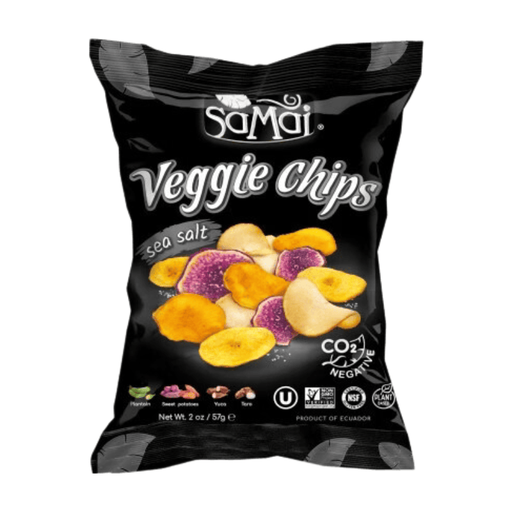 Image unavailable
These crisps offer a different type of snack for drinks and nibbles. The pack contains 57 g; before serving it to a guest with an allergy, check the ingredients and any ‘may contain’ warnings on the packaging you receive.
No: cashews are tree nuts themselves. If a guest needs to avoid them, choose a different type of snack and check the product packaging for allergen information.
No. According to the Auchan and E.Leclerc product listings, the Papapero option contains only cashews, while TOKAPI’s unsalted version also contains sunflower oil. Check the ingredients list for the variant you buy.
The packaging you receive lets you check the ingredients and any ‘may contain’ warnings for the exact product you’re serving. The DGCCRF reminds food businesses that allergenic ingredients must be clearly highlighted on food labels.
Follow the instructions on the pack you buy. The Auchan and Monoprix listings we checked recommend storing cashews away from heat and moisture; Auchan advises eating its Papapero product soon after opening.
Monoprix’s listing for the Seeberger product warns that tree nuts can pose a choking risk for young children, particularly those under 4. Keep whole nuts out of their reach and choose a suitable snack for them.