People looking for a post-workout snack
You need a pack that’s easy to pick up during a quick shop, and want to know how much protein your portion contains without treating cashews as the answer to all your recovery needs.


For a quick post-workout snack, choose cashews by checking the protein content against the portion you’ll actually eat: the figure per 100 g alone won’t tell you what you’ll get from your serving. If you want to limit salt and added ingredients, look for plain or unsalted options; if you prefer the flavour of a seasoned variety, check its ingredients. None of these details alone means the pack should be considered a complete recovery solution.
You need a pack that’s easy to pick up during a quick shop, and want to know how much protein your portion contains without treating cashews as the answer to all your recovery needs.
You’re comparing plain, unsalted or dry-roasted cashews with seasoned varieties. The ingredients list and salt value on the pack help you tell the options apart.
You’re planning several snacks and want a pack you can store according to the instructions after opening, rather than one intended for a single quick snack.
Start with how you plan to use the pack, then compare the label and size of the specific product.
| What to consider | What to check | Who is it for? |
|---|---|---|
| Protein per portion | Compare the protein per 100 g, then work out how much that is for the amount you plan to eat. | After exercise, I want to know what my portion provides, rather than rely on a claim on the pack. Around 29% of consumers prioritise this amount of protein. |
| Salt and ingredients | Read the ingredients list and check the salt per 100 g, including for roasted varieties. | If I’m looking for low-salt cashews, I want to tell a plain option from a seasoned one. This is the main priority for around 29% of consumers. |
| Portable pack size | Check the pack weight and decide whether it’s for one snack or several. | For an unplanned purchase, I’d rather have a pack I can take with me without needing to stock up. Around 24% of consumers prioritise this convenience above all. |
| Storage | Check the total weight and the storage instructions on the pack after opening. | If I plan to dip into the pack more than once, I want to be able to store it as instructed. Around 18% of consumers prioritise stocking up. |
Auchan’s product information for one cashew variety lists 18 g of protein per 100 g, but 4.5 g in the stated 25 g portion.
Compare the figures per 100 g, then work out how much you’ll get from the amount you’ll actually eat.
Preparation and seasoning vary between products: Carrefour states that its Carrefour Bio salted roasted cashews contain 5% sunflower oil and 1% salt.
If you’re looking to limit added salt, check the ingredients and the “salt” figure before choosing a roasted variety.
Cashews are tree nuts and can cause allergic reactions. Product information for some varieties also warns that they may contain traces of peanuts or other tree nuts.
If you have an allergy, check the label on the specific pack you’re buying, even if you’re already familiar with the brand.
A pack intended for several snacks needs to be stored according to its instructions. For its 500 g product, Seeberger says to store it away from heat and moisture after opening.
Choose a pack size to suit how often you’ll eat the cashews and the storage conditions you can provide at home.
The 180 g unroasted, unsalted option listed by Auchan is a good example of a product with a short ingredients list, containing only cashews.
The 500 g plain option listed by Auchan is better suited to several snacks than to a one-off purchase.
The 100 g roasted, salted option is a seasoned choice, so don’t confuse it with plain cashews.
Aldi France lists, among other options, dry-roasted cashews and a roasted variety with no added salt.
Joybuy’s 250 g roasted, salted option is a seasoned choice for several servings or sharing.
These cashew packs include convenient options to take with you, seasoned varieties and a larger pack for stocking up. Start by choosing according to your intended portion, salt preference and storage needs after opening.
 Image unavailable
For a snack to take with you when you prefer an unsalted option. Check the nutrition information and allergens on the pack before deciding on your portion.
 Image unavailable
For a snack of roasted cashews to take with you. “Dry-roasted” doesn’t mean “unsalted”, so check the salt listed on the label if this matters to you.
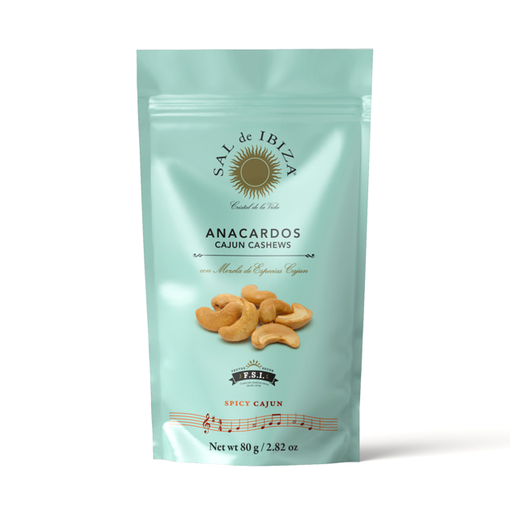 Image unavailable
For a small pack of spicy cashews rather than a plain option. Check the ingredients, salt and allergens on the packaging before buying.
 Image unavailable
For keeping enough cashews on hand to prepare several snacks, rather than for a single serving. Before choosing this size, check the storage instructions after opening and the allergens on the pack.
 Image unavailable
For a salted snack in a pack, not if you’re looking for unsalted cashews. Compare the protein and salt figures on the packaging with the portion you’ll eat.
Their protein content alone doesn’t show whether they meet your recovery needs. For example, Auchan lists 18 g of protein per 100 g of cashews, but 4.5 g in the stated 25 g portion. Check how much you’ll actually eat.
Look for a plain or unsalted option, then confirm your choice by checking the ingredients list and the “salt” line in the nutrition information. A product described simply as roasted may still be seasoned.
Read the full label on the product you’re buying, including any warnings about possible traces. The DGCCRF states that allergenic ingredients must be emphasised on food labels; some cashew product information also warns of possible traces of peanuts or other tree nuts.
Follow the instructions on the pack. For its 500 g option listed by Auchan, Seeberger advises storing the cashews away from heat and moisture after opening.
No, the figure shown isn’t enough on its own to justify this claim. The DGCCRF reminds businesses that only authorised nutrition claims may be used. Check the wording on the product rather than inferring a claim from the figure per 100 g alone.