People looking for a snack to take on the go
If you’re slipping a bag into your rucksack for the holidays, check how much protein you’ll get from the amount you plan to eat. Auchan’s plain cashews contain 18 g per 100 g, or 4.5 g in a 25 g serving.


Cashews are easy to take with you over the holidays, but check how much protein you’ll get from the portion you actually eat before choosing them as a post-workout snack. If you’re looking to limit salt, compare plain or no-added-salt options with salted recipes. For a snack to share, also check the ingredients, allergens and storage instructions after opening.
If you’re slipping a bag into your rucksack for the holidays, check how much protein you’ll get from the amount you plan to eat. Auchan’s plain cashews contain 18 g per 100 g, or 4.5 g in a 25 g serving.
A product name alone doesn’t tell you what’s in it, whether you’re choosing a snack or an ingredient for a recipe. Auchan lists 0.03 g of salt per 100 g for its plain cashews; its roasted and salted recipe contains salt and sunflower oil.
If you’re sharing a bag, check the allergens, any ‘may contain’ warnings and the storage instructions after opening. Monoprix Bio’s product information also warns of a choking risk for children under 4.
For the half-term holidays, start with how you plan to use them: a portion to take along after exercise, a recipe with few added ingredients or a bag to share will each call for different checks.
| What to consider | What to check | Who is this for? |
|---|---|---|
| Protein per serving | Compare the protein per 100 g, then work out how much that means for your planned serving. Check the fat content on the label too. | After exercise, I want to know what the small amount I’m taking with me actually provides, rather than relying on a ‘high protein’ claim. Around 50% of consumers in this group would prioritise protein per serving. |
| Salt and ingredients | Check the ‘salt’ line in the nutritional information and the ingredients list for the exact product. | For a snack rather than a salty appetiser, I’d rather choose a recipe with its added ingredients in mind. Salt content would be the main consideration for around 30% of consumers in this group. |
| Sharing and storage | Check the bag’s weight, allergen information and instructions for storing it after opening. | If the bag will be shared among several people over the holidays, I need to consider allergens and how long it will take to finish. Around 20% of consumers in this group would put these practical considerations first. |
For Auchan’s plain cashews, 18 g of protein per 100 g works out as 4.5 g per 25 g. So the most prominent figure on a label doesn’t necessarily reflect how much you’ll eat during a break.
Decide how much you plan to take with you, then use the nutritional values to work out what that portion provides.
Auchan’s plain cashews contain 0.03 g of salt per 100 g, while its roasted and salted recipe includes sunflower oil and salt. The word ‘roasted’ doesn’t tell you everything about what’s in the product.
If salt is a key consideration, compare the nutritional information and ingredients for each bag.
‘May contain’ warnings vary by product. Monoprix Bio’s product information also flags a choking risk from whole cashews for children under 4.
Check the packaging before serving cashews, especially if anyone with an allergy or any young children will be joining you.
A bag intended for sharing may be left open for several days. Storage and consumption instructions after opening vary by product.
Choose a pack size that suits your group and follow the instructions on the bag you buy.
Carrefour’s search results include roasted cashews with no added salt.
Auchan’s product pages include a 200 g pack of plain cashews and a 250 g roasted and salted recipe.
Monoprix lists a 200 g pack of raw cashews and a 120 g pack of Monoprix Bio roasted and salted cashews.
E.Leclerc’s Marque Repère range includes TOKAPI unsalted cashews in a 125 g pack.
ALDI France lists a 400 g pack of TRADER JOE'S® roasted and salted cashews.
This selection on Joybuy includes cashews with no added salt, larger packs and roasted or seasoned recipes. If you’re choosing a snack to take with you or a bag to share, compare the serving size, ingredients and information on the packaging.
 Image unavailable
This 130 g bag is a handy option if you’re looking for cashews with no added salt to take with you. If you choose it as a post-workout snack, check how much protein you’ll get from your serving. The recipe also contains sunflower oil and may contain traces of other nuts or peanuts.
 Image unavailable
The 500 g pack is better suited to sharing or cooking than to an individual snack. Decide how much you’ll have as a snack, and check the packaging for allergen information if it’s relevant to you.
 Image unavailable
This 165 g bag could be a good choice for a snack or an appetiser over the holidays. It’s a seasoned recipe, so compare its salt content and ingredients with a plain option if those matter to you. Then check for any allergen warnings.
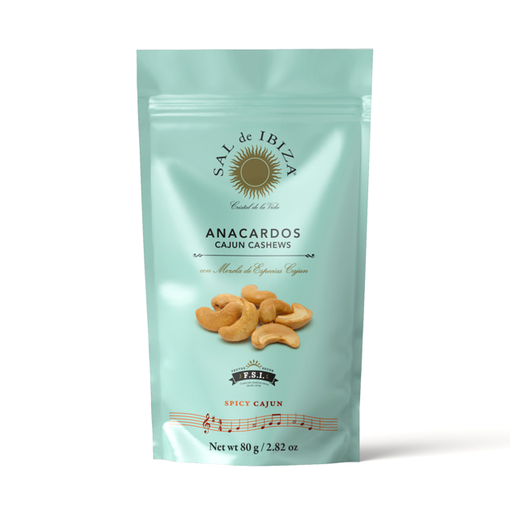 Image unavailable
The 80 g pack and spicy seasoning make this a good option for a light snack or an appetiser. If you’re looking for a low-salt recipe, compare its label with plain cashews and check the seasoning ingredients.
 Image unavailable
This 120 g bag is a ready-to-serve snack of salted cashews. If you’re looking to limit salt, compare its salt content with a plain option. Check the packaging for any warnings about other allergens and for storage instructions after opening.
Don’t rely on the figure per 100 g alone. Auchan’s plain cashews contain 18 g of protein per 100 g, or 4.5 g per 25 g; Monoprix Bio’s roasted and salted cashews contain 21 g per 100 g, or around 5.25 g for the same amount. Compare this with the portion you’ll actually eat before deciding how cashews fit into your snack.
If you’re looking to limit salt or added ingredients, start by comparing a plain option with seasoned recipes. Auchan’s product information lists 0.03 g of salt per 100 g for its plain cashews, while its roasted and salted recipe contains sunflower oil and salt. Check the figures for the product you’re buying.
Follow the storage and after-opening instructions for the bag you’ve bought. Before choosing a larger pack, think about how many people will be sharing it and whether you’ll be able to follow those instructions.
Check the ingredients for allergens and look for any ‘may contain’ warnings on the packaging of your chosen product. The DGCCRF advises that allergenic ingredients must be highlighted on labels. Monoprix Bio’s product information also warns of a choking risk for children under 4.