Households that eat them regularly
A larger pack is worth considering if you’ll use it on several occasions and can store it according to the packaging instructions once opened.


For a quick shop or occasional use, choose a pack you expect to use straight away. A larger pack is a better choice if your household eats cashews regularly and you can store the opened pack properly. In either case, check the ingredients and information on the packaging: plain cashews and roasted and salted cashews won’t suit the same needs.
A larger pack is worth considering if you’ll use it on several occasions and can store it according to the packaging instructions once opened.
A small pack, or a multipack with individually sealed portions, lets you open just the amount you need for a snack or one-off recipe.
Whether you choose plain, dry-roasted or roasted and salted cashews matters just as much as the pack size. Check the ingredients, nutritional information and allergen advice on the pack you choose.
First work out how much you’ll use, then choose a recipe and check the product label.
| Criteria | What to check | Who is it for? |
|---|---|---|
| How much you’ll use | Net weight, planned occasions for use and storage instructions once opened. | If I eat them often, I want to be able to finish a large pack without leaving it open for too long; around 36% of consumers would put having a quantity they can realistically use first. |
| Recipe and salt | Ingredients list and the “salt” figure per 100 g, especially to distinguish plain and seasoned varieties. | If a recipe calls for unsalted cashews, the ingredients matter more than the pack size; around 29% of consumers would prioritise this first. |
| Convenient pack size | Pack weight and, for a multipack, the number of individually sealed packs. | For a single snack or a one-off cooking experiment, I’d rather open a small amount; around 21% of consumers would make this convenient format their main consideration. |
| Allergens and traces | Allergens listed on the packaging you receive and any “may contain” warnings. | If I need to check for allergens, the online product name isn’t enough; around 14% of consumers would make this their top priority. |
Once opened, some of the contents could go unused if you don’t eat cashews very often.
Choose a quantity that suits the way you’ll use them, and follow the pack’s instructions for closing and storing it.
Plain cashews and a snack-style variety may differ in whether they contain oil, salt or seasonings.
Check the ingredients list and the “salt” figure per 100 g before choosing a pack size.
Cashews are tree nuts and can cause allergic reactions. Some products also warn that they may contain traces of peanuts or other tree nuts.
Check the label on the product you receive, including any “may contain” warnings.
Availability can vary depending on the store or collection option you choose.
Before you set off, check that your preferred pack size and net weight are available at the store or for collection.
An unnecessary trip can make a last-minute shop more complicated.
E.Leclerc stocks cashews in a multipack of 3 × 80 g, as well as a 400 g pack of oil-roasted and salted cashews.
The roasted and salted cashews are sold in two 125 g packs.
The products reviewed include a 125 g pack of unsalted cashews and a 250 g family-size pack of roasted and salted cashews.
ALDI stocks dry-roasted cashews in a 150 g pack, as well as a 200 g variety that is roasted with no added salt.
The product reviewed is a 200 g pack of raw cashews.
Lidl stocks plain cashews as part of its Alesto nuts range.
This selection includes small packs of plain or seasoned cashews for a one-off purchase, as well as a 500 g pack to consider if you eat them regularly. Start by choosing the recipe and quantity you’ll use.
 Image unavailable
This 130 g pack is a small quantity for a one-off purchase. If the ingredients matter to you, check the ingredients list and allergen advice on the packaging.
 Image unavailable
The 500 g pack is worth considering if you have several uses planned. Remember to store the opened pack according to the instructions on its packaging.
 Image unavailable
The 165 g pack could suit a one-off purchase of dry-roasted cashews. “Dry-roasted” doesn’t tell you everything about the recipe, so check the ingredients list and the “salt” figure per 100 g.
 Image unavailable
This 120 g pack is a small purchase of salted cashews with skin. It’s not a substitute for an unsalted variety in a recipe that calls for one; also check the instructions for after opening.
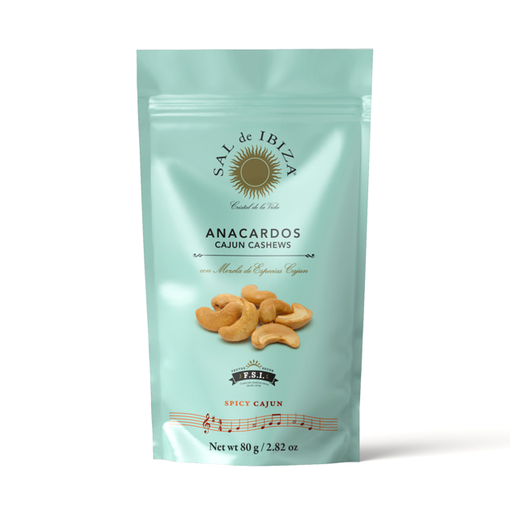 Image unavailable
This 80 g pack is a small quantity of spiced cashews for occasional use. If you’re looking for plain cashews, choose a different variety; also check the ingredients and instructions for after opening.
Yes, if you plan to use the contents on several occasions and can follow the storage instructions once it’s opened. For a one-off need, a small pack means less to store once opened.
Not if the recipe calls for a specific type. The unsalted Auchan product reviewed lists cashews as its only ingredient, while some roasted and salted varieties also contain oil and salt. Check the ingredients on the pack you choose.
Follow the instructions on the packaging and reseal it as directed. For its 250 g roasted and salted variety, Auchan recommends sealing the pack tightly and eating the cashews within 14 days of opening. This advice applies to that product, not all packs.
Read the ingredients and any trace warnings on the label of the product you actually buy. Cashews are tree nuts and can cause allergic reactions; some products also carry warnings about peanuts or other tree nuts.