People avoiding added salt
You’re looking for cashew nuts for a snack, an aperitif or a recipe, without added salt. Check the ingredients and allergen information separately.


If you’re avoiding added salt, compare plain cashew nuts with unsalted roasted versions by checking their exact ingredients. Cashew nuts are not suitable for anyone with a cashew allergy. If you’re avoiding any other allergen, check the product’s advisory information about traces too, whether you’re buying at a market or from a shop shelf.
You’re looking for cashew nuts for a snack, an aperitif or a recipe, without added salt. Check the ingredients and allergen information separately.
You need to distinguish between cashew nuts as an ingredient and any possible traces of other allergens. A short ingredient list isn’t enough to confirm that a product is suitable for you.
You’re choosing between plain, unsalted roasted and salted roasted cashew nuts. Salt, any added oil, pack size and storage instructions after opening can help you decide between products.
At your local market, start with what you need to avoid, then compare the ingredients and packaging of the cashew nuts that could work for you.
| Criteria | What to check | Who it matters to |
|---|---|---|
| Added salt and ingredients | Check the ingredients for salt and any added oil, and compare the nutritional information for the specific product. | If you’re cooking or snacking without added salt, a simple recipe matters more than a salty aperitif flavour. Around 40% of consumers would put this first. |
| Allergens and traces | Check whether cashew nuts are an ingredient and read any precautionary trace information relevant to your needs, either on the packaging or in the information available at the market. | If avoiding an allergen is what determines your purchase, ‘no added salt’ doesn’t answer your question. This would be the priority for around 30% of consumers. |
| Aperitif recipe | Tell plain, dry-roasted and salted roasted cashew nuts apart, and check whether a salted recipe also contains oil. | If you’re looking for a salty flavour for an aperitif, plain cashew nuts won’t serve the same purpose. Around 20% of consumers would make this their main criterion. |
| Pack size and storage | Choose a pack size that suits how quickly you’ll eat the cashew nuts, and read the storage instructions for after opening. | If you’ll use the pack over several occasions, being able to reseal it and follow its storage guidance becomes important. This would come first for around 10% of consumers. |
Salt and allergens are two different things. The unsalted products described by Carrefour and Auchan contain cashew nuts and may carry warnings about traces of other allergens.
Avoid cashew nuts if you need to avoid cashew nuts themselves. If you’re avoiding another allergen, check the ingredients and trace information for the specific product before buying.
The Auchan recipes mentioned range from cashew nuts on their own to a salted roasted version containing sunflower oil and salt. So the product name doesn’t tell you everything about what’s in it.
Compare the ingredients, nutritional information and trace warnings for each pack.
Sealing and storage instructions vary by product. A pack that isn’t well protected from heat and moisture may lose its crunch.
Choose a pack size you can finish within the stated time, and reseal it according to the packaging instructions.
Carrefour lists a 150 g pack of roasted cashew nuts with no added salt.
Auchan offers a 200 g plain version and a 125 g salted roasted version, among others.
Carrefour’s product information describes ETHIQUABLE cashew nuts as dry-roasted without salt, organic and fair trade.
These Joybuy products include a no-added-salt option as well as salted and seasoned recipes. First choose based on what you need to avoid and how you plan to use them, then read the label on the pack you select.
 Image unavailable
If you’re looking for a snack with no added salt, this product meets that requirement, but it isn’t suitable if you’re looking for cashew nuts as the only ingredient.
The ingredients include sunflower oil. The product contains cashew nuts and may contain traces of peanuts and other nuts. Check the pack’s information if you need to avoid a specific allergen.
 Image unavailable
This recipe is for anyone looking for salted cashew nuts for an aperitif, rather than a no-added-salt option.
It contains cashew nuts and salt. If you need to avoid another allergen, check the pack’s trace information before choosing this product.
 Image unavailable
For a roasted, seasoned aperitif snack, this is different from the unsalted BENENUTS option.
The seasoning includes salt, caramelised sugar, dextrose and flavourings. The pack is described as resealable, and may contain traces of peanuts and other nuts.
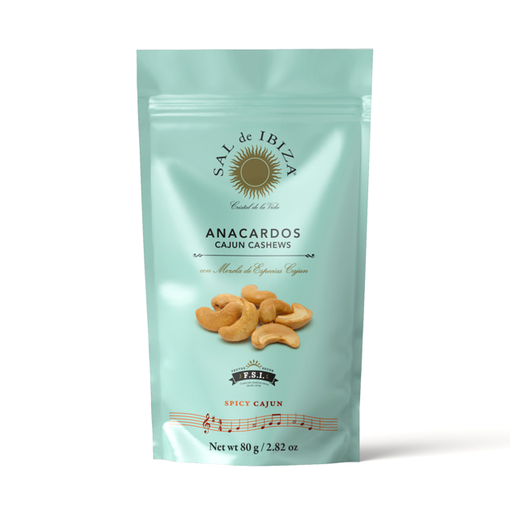 Image unavailable
This pack is for anyone looking for spicy, salted cashew nuts for an aperitif, not a no-added-salt option.
The product contains cashew nuts and salt. The accompanying information warns of possible traces of peanuts, other nuts, gluten, milk, sulphites, sesame and soya.
No. They contain cashew nuts, and some no-added-salt products also warn of possible traces of other allergens. ‘No added salt’ only tells you that no salt has been added.
Ask for the ingredients and information about allergens and traces for the product they’re selling. If you need to avoid an allergen, don’t assume the product is suitable just because it isn’t in a packet or because of how the cashew nuts look.
Seal them tightly, keep them away from heat and moisture, and follow the storage period shown on the packaging. Instructions for after opening vary by product, so check the pack you buy.
Not necessarily. The plain version described by Auchan warns of possible traces of peanuts and other tree nuts, while a Carrefour no-added-salt product lists possible traces of gluten and peanuts, among other allergens. Check the information for the specific product before buying.