Hosts welcoming someone who avoids tree nuts
If one of your guests needs to avoid cashews or tree nuts, look for a different type of snack and check its labelling for the allergen in question.


If one of your guests needs to avoid cashews or tree nuts, choose a different snack category for your film night rather than another type of cashew. If your guests can eat cashews but need to avoid another allergen, check the ingredients and ‘may contain’ information for each product. A no-added-salt or dry-roasted recipe meets a preference about ingredients; on its own, it does not meet a need to avoid allergens.
If one of your guests needs to avoid cashews or tree nuts, look for a different type of snack and check its labelling for the allergen in question.
If everyone can eat cashews, you can compare no-added-salt, dry-roasted or simple-ingredient recipes. These claims do not, on their own, tell you whether other allergens are present.
For a group with different needs, check the ingredients and any ‘may contain’ information for each pack, as well as its storage instructions and warnings if young children are present.
| Concern | What to check | Who is it for? |
|---|---|---|
| Avoiding cashews | Choose a different snack category and read its labelling, including any ‘may contain’ information. | If someone needs to avoid cashews or tree nuts, changing the seasoning won’t solve the problem. Around 36% of consumers prioritise avoiding them. |
| Other allergens and traces | Compare the ingredients, highlighted allergens and ‘may contain’ information against the allergen to be avoided. | If a guest needs to avoid, for example, peanuts or sesame, I need to check the specific pack I plan to serve. Checking for another allergen or traces is the top priority for around 29% of consumers. |
| Recipe ingredients | Read the ingredients list and distinguish between ‘no added salt’, ‘dry-roasted’ and ‘no added oil’. | If my guests can eat cashews, I can choose a no-added-salt or no-added-oil recipe for the platter. Around 21% of consumers prioritise this choice of ingredients. |
| Sharing and storage | Check the pack size, instructions for after opening and warnings for young children. | If the pack is going to be shared and then stored, I want to be able to follow the after-opening instructions and take any children present into account. This is the main concern for around 14% of consumers. |
The Carrefour Le Marché product listing warns that its no-added-salt cashews may contain traces of peanuts, other tree nuts, sesame, gluten, sulphites and soya.
Identify the allergen to be avoided, then read the ingredients and ‘may contain’ information on the pack you choose.
Plain, roasted or unsalted cashews are still cashews.
Choose a different snack category and check its labelling before serving it.
An ingredients list lets you compare recipes, but it is no substitute for checking ‘may contain’ information.
Check the ingredients and the information about the allergen in question separately on the packaging you buy.
The Auchan and Seeberger product listings warn that cashews pose a choking risk.
If young children are present, read the product warning before preparing the platter and follow the storage instructions after opening.
A 150 g pack of roasted cashews with no added salt, sold by Carrefour.
A 125 g pack of roasted cashews with no added salt.
A 100 g pack of organic, fairly traded, dry-roasted cashews with no salt.
A 150 g pack of roasted, unsalted cashews, sold by Monoprix.
A 200 g pack of roasted cashews with no salt, sold by ALDI France.
These two Joybuy products are crisps to consider if you’d like to replace cashews on your platter. Whether they’re suitable for someone avoiding an allergen depends on the ingredients and ‘may contain’ information on the pack you buy.
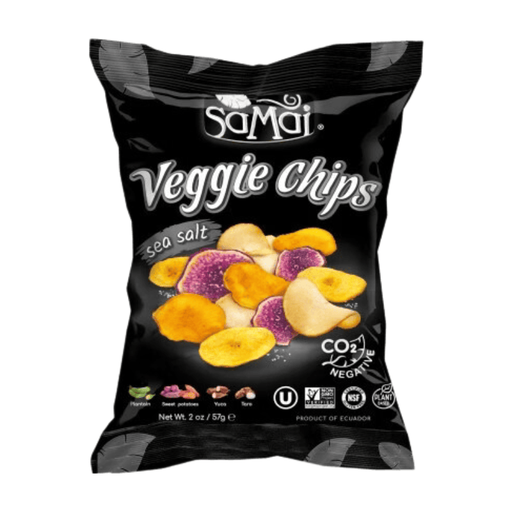 Image unavailable
Vegetable crisps to consider instead of cashews for your film-night platter. Check the ingredients and any ‘may contain’ information on the pack against the allergen your guest needs to avoid.
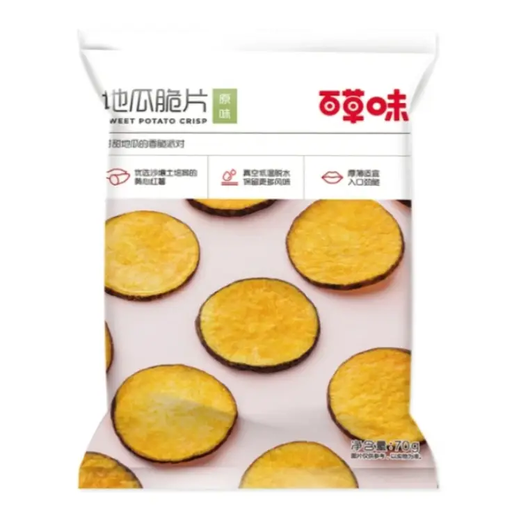 Image unavailable
Sweet potato crisps to consider if you’re replacing cashews with a different type of snack. Check the ingredients and any ‘may contain’ information on the packaging before offering them to someone who needs to avoid certain foods.
No: this claim relates to salt, not allergens. For prepacked foods sold in France, the DGCCRF says that allergenic ingredients must be highlighted; check ‘may contain’ information too. Carrefour Le Marché’s no-added-salt cashews, for example, warn that they may contain traces of peanuts and sesame.
No: choose a different snack category for this guest instead of cashews. Then check the alternative’s labelling for the specific allergen they need to avoid, without assuming that another snack will automatically be suitable.
Read the pack warning before serving whole cashews. The Auchan listing says that its product must not be eaten by children under 3; the Seeberger listing warns of a choking risk, particularly for children under 4.
Follow the instructions for the specific product you buy. For its 125 g no-added-salt cashews, Auchan says to seal the pack tightly and eat the product within 14 days of opening; the Seeberger listing recommends storing it away from heat and moisture.