People who need to avoid tree nuts
If cashews or tree nuts are among the ingredients you need to avoid, cashews aren’t suitable for your break. Look for a snack from a different category and check the label of the product you choose.


If you need to avoid cashews or tree nuts, choose a snack from a different category: plain or unsalted cashews are still cashews. If you can eat them but want a simple snack to enjoy with your coffee, compare the ingredients, salt content and any ‘may contain’ statements on the specific pack. A short ingredient list doesn’t guarantee that other allergens are absent.
If cashews or tree nuts are among the ingredients you need to avoid, cashews aren’t suitable for your break. Look for a snack from a different category and check the label of the product you choose.
You may be able to eat cashews but need to avoid, for example, peanuts, sesame, gluten, soya or sulphites. Ingredient and ‘may contain’ statements vary by product, so check the information on the pack you buy.
If cashews are suitable for you and your priority is their nutritional content, compare the salt per 100 g and the ingredients list. The words ‘unsalted’ don’t tell you on their own whether oil has been added.
For a coffee break, start by working out which ingredients you need to avoid. Salt content and a simple recipe only become useful ways to compare cashews once you’ve settled that question.
| What to consider | What to check | Who is it for? |
|---|---|---|
| Avoiding tree nuts | Rule out products containing cashews; check the ingredients and allergen information on snacks from a different category. | If I need to avoid cashews or tree nuts, plain or unsalted cashews won’t meet my needs. This could be the main consideration for around 42% of consumers. |
| Other allergens and traces | Read the ingredients and ‘may contain’ statements on the specific pack, especially for any allergens you need to avoid. | I can eat cashews, but a statement about peanuts, sesame or another allergen I need to avoid could affect my choice. This would be the priority for around 33% of consumers. |
| Salt and added ingredients | Compare the ingredients list and salt per 100 g; check whether the recipe includes oil. | To enjoy with my coffee, I mainly want to choose the right cashew ingredients rather than avoid cashews altogether. This would be the main consideration for around 25% of consumers. |
The Carrefour Le Marché product listing describes cashews with no added salt, but warns that they may contain traces of peanuts, other tree nuts, sesame, gluten, sulphites and soya.
Check the salt, ingredients and any relevant ‘may contain’ statements separately, according to what you need to avoid.
The Papapero product listing names cashews as the only ingredient. That doesn’t mean you can conclude that the pack you buy is free from traces of other allergens.
If you need to avoid an allergen, check the information on the packaging for the specific variety and batch before eating it. Don’t assume that a statement missing from an online listing means there’s no risk.
The TOKAPI recipe listed by E.Leclerc contains 97% cashews and 3% sunflower oil.
If you’re looking for a recipe made from cashews alone, check the ingredients list rather than relying only on the word ‘unsalted’.
These products show why it’s important to compare labels one by one: their ingredients and ‘may contain’ statements don’t meet the same needs.
Carrefour’s product listing describes a 150 g bag of roasted cashews with no added salt.
Auchan’s product listing describes a 200 g bag of cashews. The ingredients list names cashews as the only ingredient.
The product listing from Auchan describes a 100 g bag of roasted, unsalted cashews.
E.Leclerc lists these unsalted cashews in a 125 g pack.
Monoprix’s product listing describes raw cashews in a 200 g pack.
These crisps and crackers are options from a different category to consider if you’d like to replace cashews at your coffee break. Their ingredients lists alone can’t confirm whether they’re suitable for an allergen avoidance diet, so check the packaging of the product you choose.
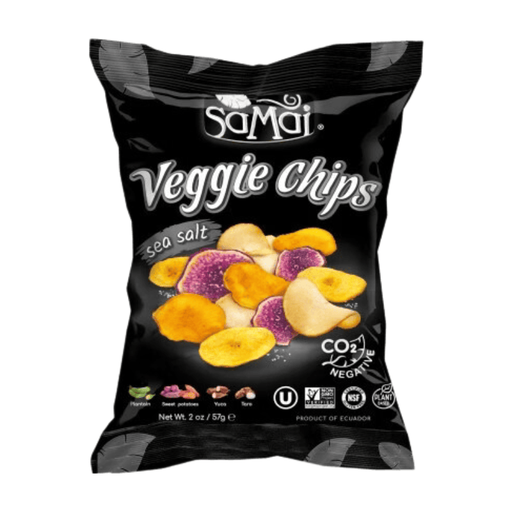 Image unavailable
These crisps are worth considering if you’d prefer a savoury snack other than cashews with your coffee. The recipe lists palm oil and salt. If you need to avoid an allergen, also check the packaging for any ‘may contain’ statements for the batch.
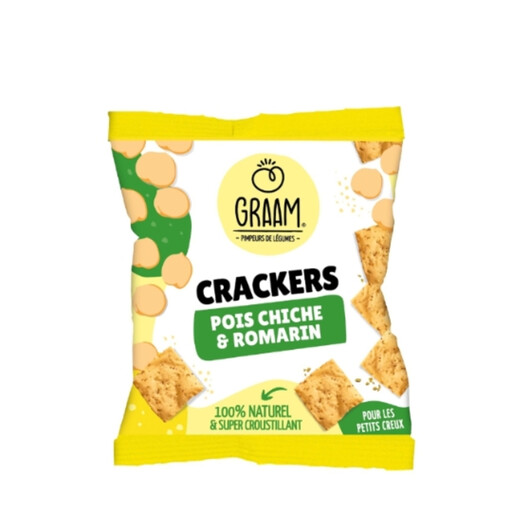 Image unavailable
These crackers are an option instead of cashews if you fancy a crunchy snack for your break. The recipe contains wheat flour, so they aren’t suitable if you need to avoid wheat. Also check the packaging for any ‘may contain’ statements for the batch.
No. The cashew products featured here all list cashews as an ingredient. Plain, no-added-salt or oil-free cashews aren’t an alternative if you need to avoid cashews. Look for a snack from a different category and check its label.
No. The listing for Carrefour Le Marché cashews with no added salt warns that they may contain traces of peanuts, gluten and soya, among other allergens. Check the ingredients and ‘may contain’ statements on the pack for the variety you buy.
Follow the instructions on your pack. The Auchan listing we checked says to reseal the pack tightly and eat the cashews within 5 days of opening. The Papapero listing recommends storing them in a cool, dry place and eating them soon after opening.