Kitchen teams with changing menus
If pasta shapes and sauces change often, 1 kg packs of dried pasta let you adapt your orders without having to open a large sack every time.


For a care home kitchen with a varied menu, 1 kg packs of dried pasta make it easy to switch between shapes without opening a 5 kg sack. Larger packs are better suited to regular use of the same shape, provided you have suitable storage. In either case, pack size tells you nothing about allergens, a resident’s prescribed texture or their nutritional needs.
If pasta shapes and sauces change often, 1 kg packs of dried pasta let you adapt your orders without having to open a large sack every time.
Check the ingredients, allergens and required texture for each resident before serving. The French National Authority for Health (Haute Autorité de Santé) includes health and social care professionals among the intended readers of its guidance on malnutrition in people aged 70 and over.
A 5 kg sack can reduce the number of packs you need to open if consumption is regular and you have a dry storage area suitable for keeping an opened sack.
First, work out how much of each shape you use, then check that the product you choose suits your menus and residents’ individual requirements. Neither the net weight nor the pasta shape alone confirms that it is suitable for a prescribed texture.
| Criterion | What to check | Who it matters to |
|---|---|---|
| Quantity and pack size | Compare how often you use each shape, the net weight (1 kg or 5 kg) and the amount of dry storage space available. | When menus change, I prefer to open an amount that suits the next few services. Around 24% of consumers would put pack sizes suited to their production schedule first. |
| Shape and serving | Choose a shape to suit the dish and sauce, but don’t assume that its shape makes it suitable for a prescribed texture. | When serving a dish with sauce, I need a shape that works with the menu while still following each resident’s texture requirements. Shape would be the top priority for around 24% of consumers. |
| Allergens and dietary requirements | Check the ingredients and allergens on the label of the batch delivered, including any possible traces listed. | If a resident has individual dietary requirements, I need to be able to check the specific product being served. Around 19% of consumers would put this check first. |
| Nutritional information | Compare the nutritional values per 100 g. For individual needs, follow the decisions of the professionals responsible for the resident’s care. | When a meal is part of nutritional monitoring, I want to compare products without treating pasta as a solution in itself. Around 19% of consumers would put this need first. |
| Storage and supply | Check availability for your care home, the best-before date and the storage instructions on the packaging. | If I’m ordering for several services, I need stock that the kitchen can store and use as instructed. Around 14% of consumers would prioritise this kind of planning. |
Net weight tells you how much you’re buying, not whether it is suitable for a prescribed texture or an individual nutritional need.
Choose a pack size that works for the kitchen, and ask the relevant professionals to check each resident’s requirements separately.
Durum wheat semolina contains wheat. Depending on the product, the label may also list other ingredients or possible traces.
Check the label and batch delivered before preparation, especially if you know of an allergy or other dietary requirement.
The net weight, ingredients and preparation are different. Lustucru’s fresh tagliatelle, for example, contains wheat and eggs, according to the brand.
Compare the product type, its label and its role in the menu before replacing a dried product with a fresh one.
The brand offers dried spaghetti in 500 g and 1 kg packs. A 5 kg pack of ridged macaroni is also among the products reviewed.
The dried pasta products reviewed include 1 kg packs of No. 5 spaghetti.
The 600 g packs of fresh tagliatelle reviewed are a different type of product from a family-size pack of dried pasta.
Carrefour’s range includes 1 kg packs of dried spaghetti.
The range reviewed includes 1 kg packs of Turini macaroni and farfalle.
The range reviewed includes 1 kg packs of Auchan pasta, as well as Panzani and Barilla products.
This selection includes three 1 kg packs in different shapes to help you vary your menus, as well as two 5 kg packs to consider when you use that shape regularly and have suitable storage.
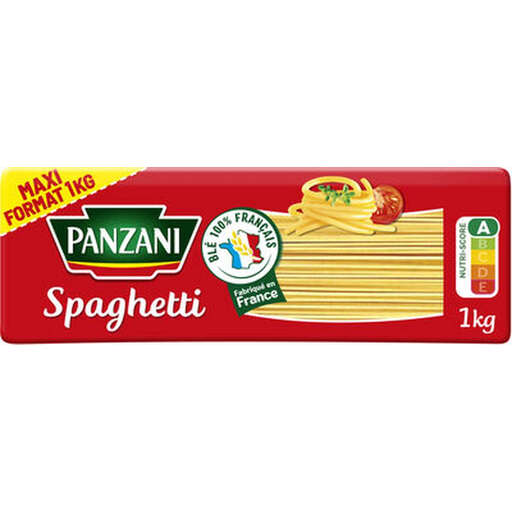 Image unavailable
A 1 kg pack to consider when spaghetti features regularly on the menu, but there’s no need to open a large sack.
The product listing gives durum wheat semolina as an ingredient. Check the allergens and any batch-specific information on the packaging delivered. The spaghetti shape doesn’t confirm suitability for a prescribed texture.
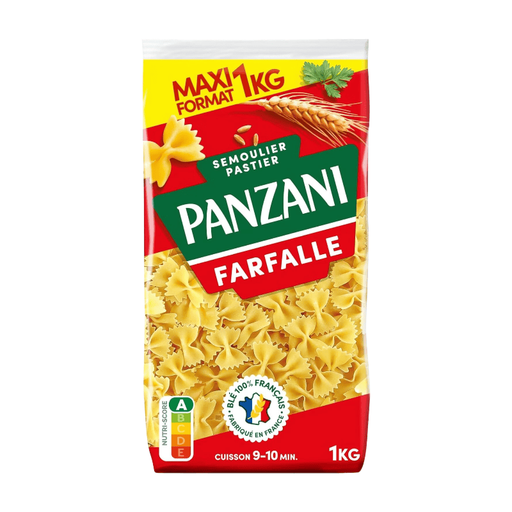 Image unavailable
This 1 kg pack lets you include farfalle in menus that call for this shape, without switching to a 5 kg sack.
Check the ingredients and allergens on the batch delivered. The pasta shape alone doesn’t confirm that it is suitable for a prescribed texture.
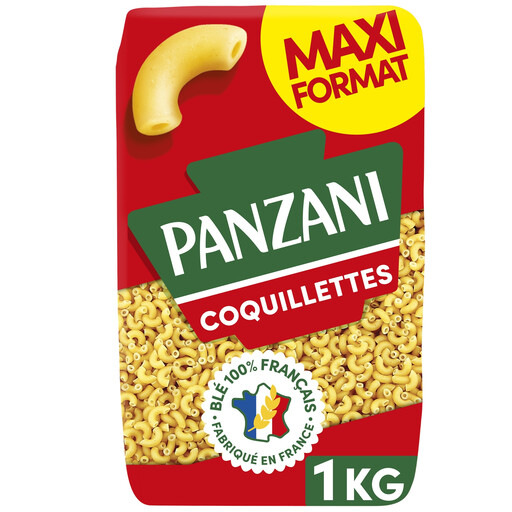 Image unavailable
This 1,000 g pack offers shell-shaped pasta for menus featuring conchiglie rather than spaghetti or farfalle.
Check the batch label for any relevant dietary requirements and follow each resident’s individual texture instructions.
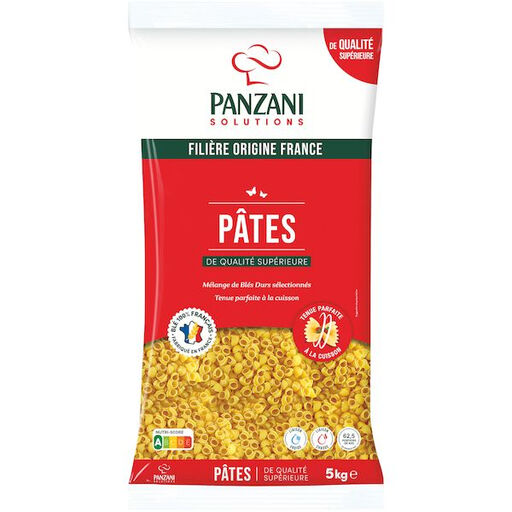 Image unavailable
Consider this 5 kg sack if ridged macaroni features regularly on your menu and the kitchen can manage the quantity once it’s opened.
Plan for dry storage and check the allergens listed on the batch delivered. This pack size doesn’t confirm suitability for a prescribed texture.
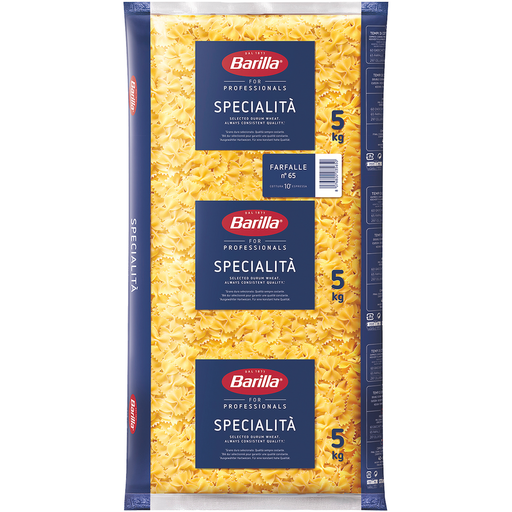 Image unavailable
This 5 kg pack is best suited to planned, regular use of farfalle, rather than the occasional need to switch pasta shapes.
Check that your planned storage follows the instructions on the packaging, and check the allergens on the batch delivered as well as residents’ individual texture requirements.
No. The right pack size depends on how often you serve each shape and how much storage space the kitchen has. A 1 kg pack gives you more flexibility to vary the menu, while a 5 kg sack is better suited to regular use of the same product.
Standard pasta made with durum wheat semolina is not suitable for someone with a wheat allergy. Check the ingredients, highlighted allergens and any possible traces listed on the label of the batch delivered.
No. A short pasta shape alone does not confirm that it meets a resident’s texture requirements. The choice and preparation must follow their individual instructions and the decisions of the professionals responsible for their care.
Compare their nutritional values per 100 g, then take portion sizes and the rest of the meal into account. Checking the label does not replace individual monitoring for a resident with particular nutritional needs.
No. This information describes a product, but it can’t determine on its own what is right for a resident’s meal. The French National Authority for Health’s guidance on malnutrition in people aged 70 and over is aimed at the relevant professionals, including those working in health and social care. Meals should be adapted as part of the care plan organised for each individual.