
Livraison le jour même ou le lendemain

Qualité garantie

Débloquez vos offres de bienvenue: Livraison GRATUITE | Jusqu'à -80 % | 30 jours d'essai gratuits à JoyPlus
Téléchargez l'application
Rough-feeling hair, split ends, curls that lose their definition or persistent frizz: care for dry and damaged hair doesn’t all address the same needs. Your hair type and how sensitised it is also come into play. Colouring, perming, UV exposure, heat styling or frequent washing can all affect the fibre’s flexibility and appearance.
Before you fill your basket, there are a few pitfalls worth keeping in mind.
Dry hair can lack water, lipids, or both. So a very rich shampoo isn’t automatically right for every head of hair. On fine hair, an overly nourishing formula can leave it feeling heavy. Conversely, curly or thick hair may benefit from a nourishing hair mask as a complement to washing.
Terms like “repairing” or “reconstructing” are often more about a product’s marketing positioning. They don’t mean a split end will be permanently sealed. To compare products on a concrete basis, look instead at the ingredient list, the format, how to use it and the recommended frequency of use.
A product designed for the lengths isn’t necessarily suitable for a sensitive scalp. Fragrances, certain preservatives or cleansing agents can cause discomfort for some people. If irritation occurs, stop using it immediately and rinse thoroughly. Also avoid any contact with the eyes.
A hydrating shampoo primarily cleanses the scalp and lengths. It rinses out quickly and can be used with every wash, depending on your habits and your hair’s needs.
A mask for damaged hair stays on the fibre for longer. It’s typically used once or twice a week, on the lengths and ends. For coloured, dry or environmentally stressed hair, this step effectively complements the shampoo.
A leave-in treatment, such as a spray, is applied to dry or slightly damp hair. It makes styling easier and helps with frizz control, without replacing washing or a rinse-out treatment.
Oils and butters can improve the feeling of softness. Commonly sought-after ingredients include avocado oil, shea butter and camellia oil. However, their presence alone isn’t enough to judge the whole formula: also look at the conditioning agents, humectants like glycerin, and silicones, if you like a smooth feel.
INCI lists show ingredients in descending order of quantity, with a few exceptions set by regulations. A promise printed on the packaging never replaces reading the composition.
A large bottle can be good value for frequent use, but the price per millilitre allows for a more meaningful comparison. Also check how much you need for each wash. A mask used once a week can’t be compared in the same way as a shampoo used several times.
To avoid unnecessary purchases, start by defining your priority: hydration, nourishment, curl definition or targeted care for damaged lengths.
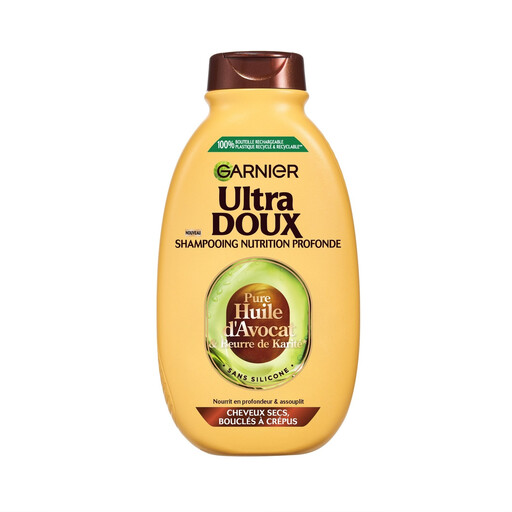
Why this choice suits this profile: This shampoo is designed for dry, curly and frizz-prone hair. Its 300ml format fits easily into a simple routine.
The formula notably includes avocado oil and shea butter. This means you can verify the nourishment promise rather than relying solely on the product name.
Avocado oil, shea butter, creamy texture and rinse after massaging the scalp.
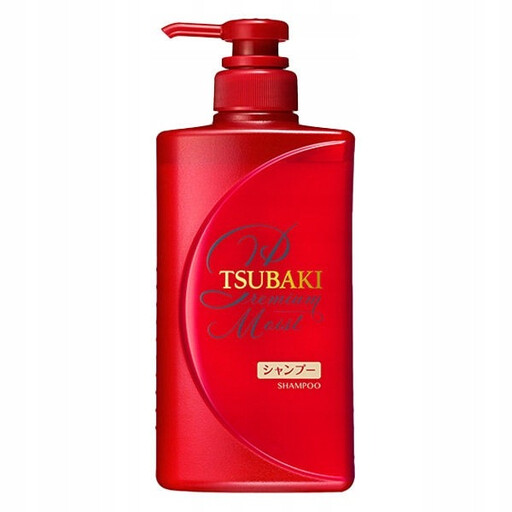
Why this choice suits this profile: Its 450ml format and Japanese hair care positioning appeal to those looking for a daily routine focused on softness and shine.
The product page specifies the volume, country of origin and composition, which notably includes camellia oil, squalane and conditioning agents.
450ml bottle, camellia seed oil in the INCI list and a rinse-out treatment applied after use.
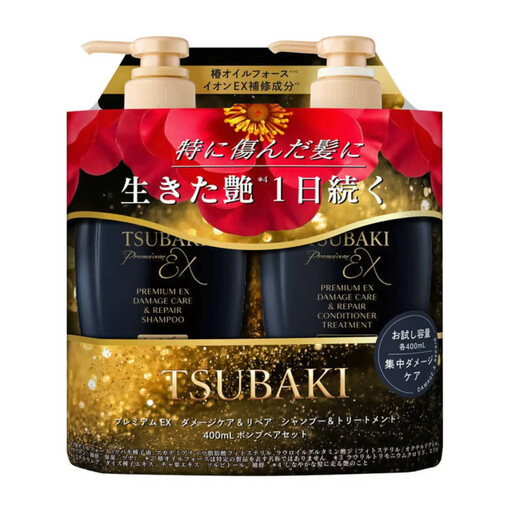
Why this choice suits this profile: This duo, consisting of a shampoo and a conditioner at 400ml each, makes it easy to establish a complete routine for coloured hair or hair subjected to repeated stress.
The set clearly distinguishes the two steps, rather than expecting a single shampoo to replace a conditioning treatment.
Two pump bottles, camellia oil in the formulas and a rinse-out treatment to apply after shampooing.
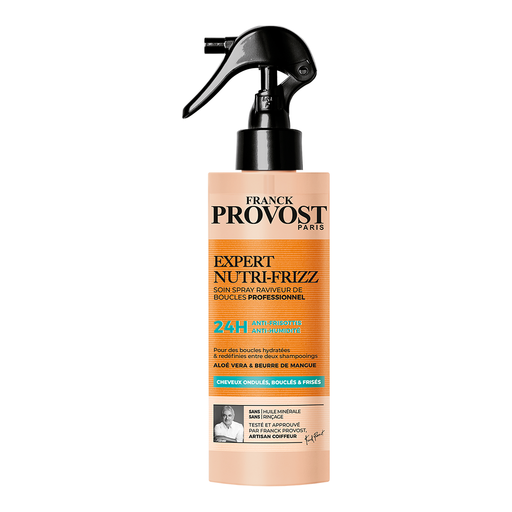
Why this choice suits this profile: This leave-in spray is used between washes, on dry or slightly damp hair, to revive curls and make styling easier.
Its leave-in format addresses a specific need for definition and frizz control, without claiming to replace shampoo.
190ml, coconut oil, aloe vera and mango seed butter listed in the composition.
We’ve put together a comprehensive list, updated in real time, of products that meet these strict selection criteria and European safety regulations.
Start by identifying the main need: nourishment for rough-feeling fibre, hydration for hair lacking flexibility, or targeted care against frizz. A shampoo enriched with avocado oil and shea butter can suit a nourishment-focused routine. A leave-in spray can then be used between washes to redefine curls.
Once or twice a week is a common frequency, to be adjusted based on your hair’s texture and reaction. Follow the leave-on time indicated and rinse thoroughly. More frequent use doesn’t necessarily give better results and can weigh down some hair types.
Check the best-before date or the symbol indicating the period after opening on the packaging. Store the product away from heat, excessive humidity and direct light. Replace it if its smell, texture or colour changes unusually.