
Livraison le jour même ou le lendemain

Qualité garantie

Débloquez vos offres de bienvenue: Livraison GRATUITE | Jusqu'à -80 % | 30 jours d'essai gratuits à JoyPlus
Téléchargez l'application
Rough-feeling hair, split ends, stubborn frizz or curls that have lost their bounce: care for dry and damaged hair doesn’t all address the same need. A rich mask can’t replace a heat protectant, and a smoothing serum isn’t necessarily right for fine hair, which it can weigh down.
Before you fill your basket, it’s best to avoid three common mistakes:
Start by defining your priority:
A leave-in treatment is especially handy after your shower, but it needs careful dosing. Fine hair generally prefers a milk, a mist or a small blob of cream. Thick, very dry or coily hair often tolerates richer, more enveloping textures better.
A mask is usually used once or twice a week on clean, damp hair, then rinsed out. A detangling conditioner can be applied more often, especially when knots cause pulling during styling.
The INCI list lets you identify declared fragrances and allergens, silicones, oils and conditioning agents. However, it isn’t enough to predict the result on every head of hair: porosity, thickness and styling habits also matter a great deal.
Claims like “natural”, “vegan” or “sulphate-free” don’t guarantee that a formula will suit every use. Also check the volume, how often to apply it and the storage conditions. If you have sensitive skin, test the product on a small area. In case of redness, itching or a burning sensation, stop using it immediately and avoid any contact with the eyes.
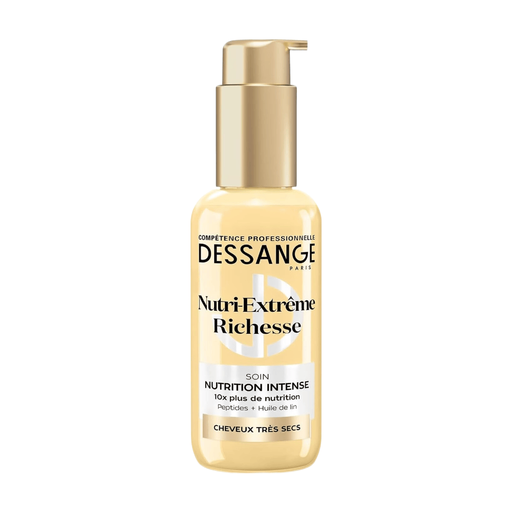
Why this choice suits this profile: this leave-in treatment slips easily into a post-wash routine, applied to the lengths and ends after towel-drying. At 110 ml, it’s ideal for anyone looking for a simple routine for very dry, dull or hard-to-manage hair.
The recommendation to use a small amount limits the risk of overloading the fibre. The listing mentions a peptide care complex and linseed oil; remember to check the ingredient list directly on the packaging.
No-rinse application, can be used daily as directed, and manufactured in France.
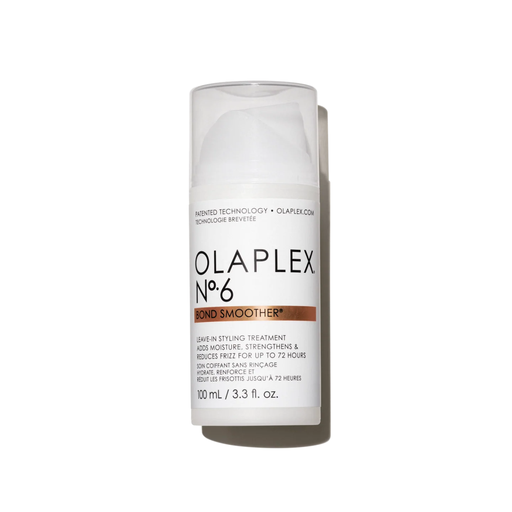
Why this choice suits this profile: its leave-in cream texture is designed for people who want to tame, soften and prep their hair for heat styling in a single step.
For shoulder-length hair, the brand recommends just half a pump. The heat protection claimed up to 232°C should be taken as a brand indication, not an invitation to routinely use an appliance at that temperature.
100 ml format, apply to towel-dried hair, and contains Bis-Aminopropyl Diglycol Dimaleate in the stated formula.
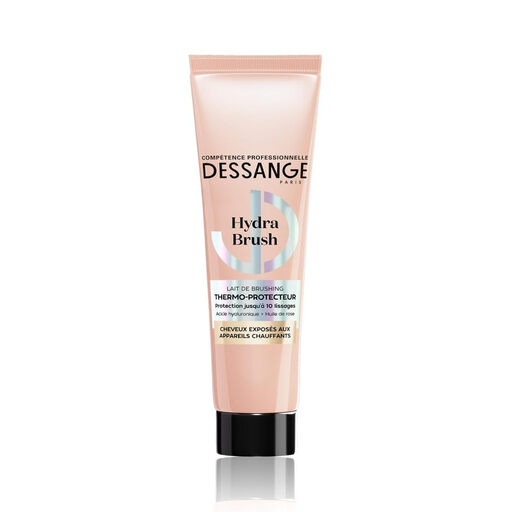
Why this choice suits this profile: this milk is aimed at people who regularly blow-dry or straighten their dry hair and want to apply a dedicated product before styling.
The stated temperature, up to 230°C, is clearly indicated. The instructions recommend applying the product to washed, towel-dried hair before pre-drying. Make sure to distribute it evenly.
No-rinse formula, 140 ml, hyaluronic acid and rose oil mentioned in the product listing.
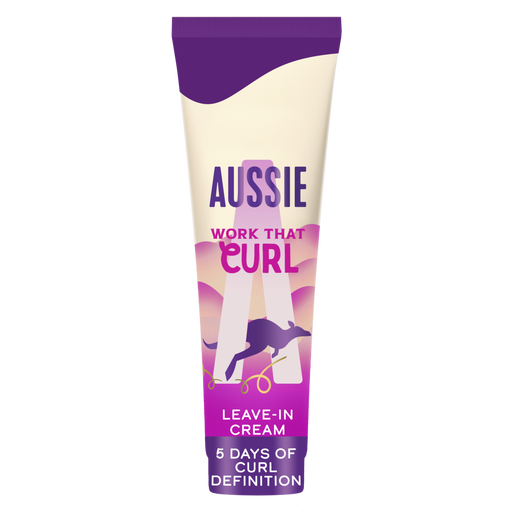
Why this choice suits this profile: this curly hair cream is applied to damp hair to define curls, or to dry hair to revive them between washes.
The listing clearly distinguishes the use for defining curls from the one for refreshing them. Start with a small amount to avoid saturating them, especially if your hair is fine.
No-rinse formula, coconut oil listed, and a 160 ml format suited to regular use.
We’ve selected a complete, real-time updated list of products that meet these demanding criteria, while also taking European safety regulations into account.
For curly hair, apply the products section by section, gently scrunch the lengths, then let it air-dry or use a diffuser on a moderate heat setting.
Start with a nourishing mask once or twice a week, then apply a leave-in treatment to the ends. If your hair is regularly exposed to heat, add a heat protectant. Repairing damaged hair takes time: a cosmetic product can improve the appearance, softness and detangling, but it won’t permanently mend a split end.
Yes, as long as you use a light hand. One or two drops warmed between your palms and then smoothed onto the ends are often enough. If your hair becomes dull, greasy or flat, space out the applications and use a shampoo that’s consistent with your routine.
Follow the instructions on the packaging. Many masks require a few minutes, while others recommend five to ten minutes. Leaving the product on for longer than stated doesn’t necessarily improve the result and can make rinsing more difficult.