Cyclists planning a long ride
To plan what you’ll eat during a ride, you need to know how many carbohydrates you’re carrying and try the product in training. A gift selection won’t necessarily meet this need.


Choose a caramel chocolate selection as a gift, taking the recipient’s ingredients and preferences into account, rather than treating it as pre-measured fuel for a bike ride. If you’re planning to eat during a long ride, choose a format where you can work out the carbohydrate content per serving, and that the cyclist has already tried in training.
To plan what you’ll eat during a ride, you need to know how many carbohydrates you’re carrying and try the product in training. A gift selection won’t necessarily meet this need.
Caramel and presentation matter, but your choice should also take the recipient’s tastes and allergies into account. Ingredients can vary from one chocolate to another in an assortment.
Values per 100 g make it easier to compare selections, while values per serving, when shown on the label, help you assess how much you’ll actually eat. The Nutri-Score can be an additional guide if displayed.
First decide whether your main aim is to give someone a treat or plan what they’ll eat during a ride. These two uses call for different checks.
Consider this: when the gift, sharing and the recipient’s tastes are the priority.
Limitation: an assortment of chocolates won’t necessarily make it easy to work out the carbohydrate content of each piece you take with you.
Consider this: when the cyclist wants to plan what they’ll eat during a long ride.
Limitation: being able to count the carbohydrates doesn’t remove the need to try the format and serving in comparable training conditions.
| Priority | What to check | Who is this for? |
|---|---|---|
| Carbohydrates during the ride | The carbohydrate content per serving you’ll take with you, and whether you can try that serving in training. | If I’m planning a long ride, I want to know how many carbohydrates are in each serving before putting it in my pocket. Around 45 % of consumers put this first. |
| Gift and ingredients | The ingredients and allergens in each recipe in the selection, as well as the recipient’s preferences. | When giving chocolates, I want to choose flavours the recipient will enjoy without overlooking their allergies or dietary requirements. Around 33 % of consumers put this compatibility first. |
| Nutritional values | Nutritional information per 100 g and, if shown, per serving; the Nutri-Score if displayed. | Before choosing between several selections, I’d like to compare their sugar and fat content on a like-for-like basis. Around 22 % of consumers start with this nutritional comparison. |
In France, the Nutri-Score is voluntary, as the Directorate-General for Competition Policy, Consumer Affairs and Fraud Control (DGCCRF) points out. Its absence alone isn’t enough to judge the nutritional profile of a selection.
Compare the nutritional information and ingredients of the product you’ve chosen. Use the Nutri-Score as an additional guide when it appears on the label.
Assortments described by Carrefour France include different recipes. Depending on the selection, the ingredients and allergen information include milk, tree nuts, soya or wheat.
Ask the recipient about any allergies and preferences you need to consider, then read the label on the selection you actually buy, including the details for its different chocolates.
The presentation of a chocolate selection doesn’t tell you how many carbohydrates are in the portion the cyclist will take with them. The Gatorade Sports Science Institute looks at fuelling during endurance exercise in terms of carbohydrate quantities and the conditions of the effort, rather than the type of confectionery alone.
Choose a selection as a gift if that’s your aim. If it’s for eating during a ride, work out the serving from the label and try it in training first.
These examples refer to specific selections described by Carrefour France, not to every product made by each brand.
A selection of dark and milk chocolates with caramel centres, worth considering as a gift for someone who loves this flavour.
An assortment of chocolates featuring, among other things, milk chocolate, hazelnut, caramel and almond: a gift to consider if you’re looking for several different flavours.
A Lindor assortment featuring milk chocolate, hazelnut and caramel chocolates.
A gift assortment that includes a caramel flavour alongside other recipes, worth considering if the recipient likes variety.
These are caramel chocolate bars sold individually or in bags of mini bars. Their format may suit you if you want an individual portion or something to share, but it isn’t a substitute for choosing a gift selection. If you’re planning to eat during a ride, check the carbohydrate content of the portion you’ll actually take with you.
 Image unavailable
The 50 g bar is a clearly identifiable individual portion if you want to take a caramel confectionery bar with you. Before deciding whether to eat it during a ride, check the carbohydrates listed on the packaging and take the cyclist’s allergies into account. The format alone isn’t enough to plan your fuelling.
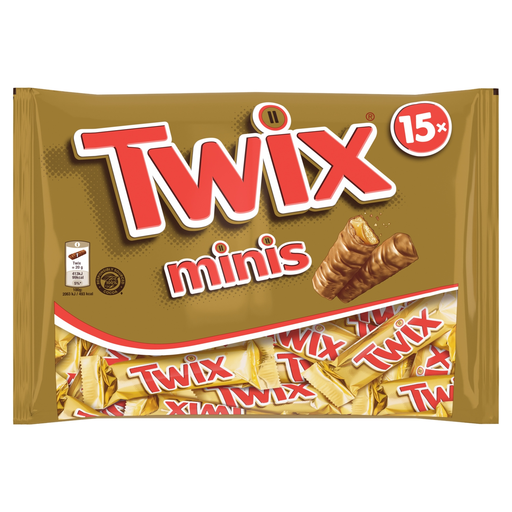 Image unavailable
The pack of 15 mini bars is suited to sharing rather than presenting as a box of chocolates. If you’re planning to take a mini bar with you during a ride, check its weight and the corresponding carbohydrate information on the label. Values per 100 g alone don’t tell you how much is in each bar.
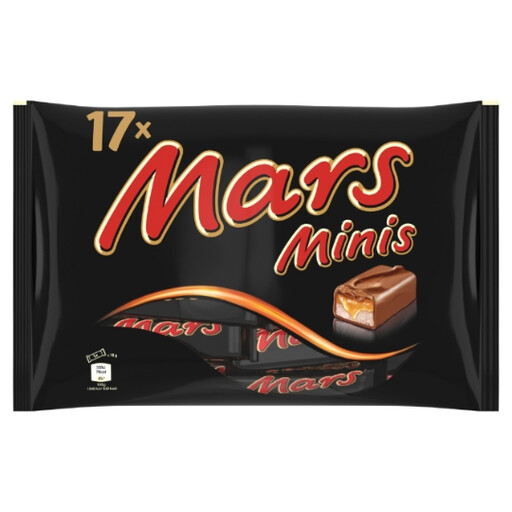 Image unavailable
This 333 g bag contains mini milk chocolate bars with caramel and nougat, made for sharing. To count the carbohydrates in a mini bar, check its weight and the nutritional information for the product you’ve bought. Check the allergens too before offering it to someone.
No. The DGCCRF describes the Nutri-Score as a voluntary system. A nutrition declaration is generally required for pre-packed foods, subject to exemptions under the regulations, so check it even if no Nutri-Score is shown.
Start with the ingredients and allergens, especially if the recipient has told you about an allergy or dietary preference. Then check the net quantity, the best-before date and the nutritional information for the selection you’re actually buying. If it’s an assortment, check the different recipes too.
Don’t automatically treat it as pre-measured fuel. If the cyclist wants to plan their intake, they need to be able to work out the carbohydrates in the portion they’re taking and have tried it in training. The Gatorade Sports Science Institute’s guidance on carbohydrate intake during endurance exercise covers a strategy to adapt to the conditions of the effort; it doesn’t endorse these chocolate selections.
Use it as an additional indication of a product’s nutritional profile, but don’t rely on it alone to decide whether a selection suits your needs. To compare specific products, also check their nutritional values per 100 g, any serving information and their ingredients lists.