
Livraison le jour même ou le lendemain

Qualité garantie

Débloquez vos offres de bienvenue: Livraison GRATUITE | Jusqu'à -80 % | 30 jours d'essai gratuits à JoyPlus
Téléchargez l'application
Replacing old, yellowish halogen bulbs with bright, white LED lighting is one of the most popular upgrades among motorists. The appeal is undeniable: better night-time visibility, a dramatically increased lifespan, and an instantly modernised look for your vehicle. However, the market is flooded with options and marketing claims that can quickly turn this smart investment into a real headache.
Before taking the plunge, it's wise to know the three classic pitfalls awaiting the uninformed buyer. Keeping them in mind will save you from unnecessary expenses and serious compatibility issues.
To successfully transition from halogen to LED, finding the right base type isn't enough. Focus on these three key parameters that make all the difference in performance and reliability for your future car LED kit.
The base type, such as h7 led bulb or h4 led bulb, is of course the starting point. But be warned, compatibility doesn't end there. The physical size of the LED bulb, particularly its rear section with the cooling system (fan or heat sink), is a crucial point.
To avoid nasty electronic surprises, a decoder is essential for many vehicles.
A powerful car light that is, above all, safe depends on the quality of the beam.
Rather than an endless list, we've matched driver profiles with products that meet their needs, keeping in mind the criteria and pitfalls we've just discussed.
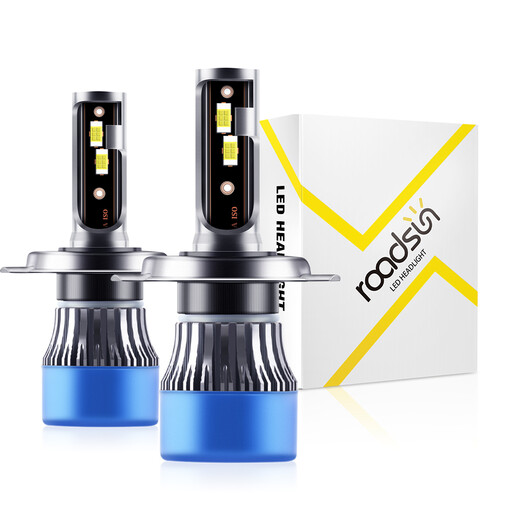
Why we chose it: Ideal for a simple and effective first upgrade. This H4 kit handles both low and high beams, and its "plug-and-play" installation can be done by a beginner in minutes.
Its integrated fan prevents overheating, while the smart decoder is designed to be compatible with 98% of vehicles, minimising CAN bus-related issues.
Direct 5-minute installation with no modifications, featuring integrated high and low beam management.
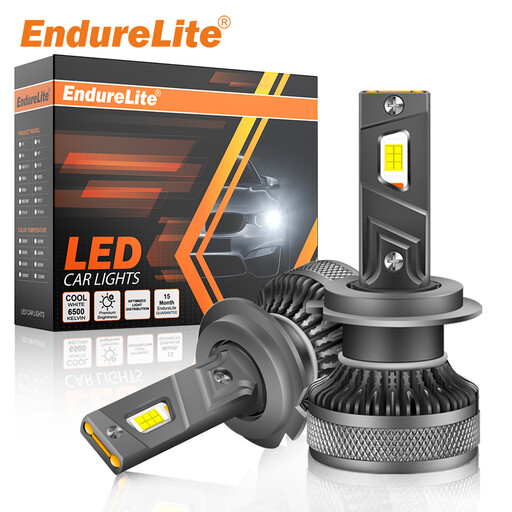
Why we chose it: For those who refuse to compromise on performance and durability. This kit focuses on high-performance cooling and broad CAN bus compatibility, key assets for high-mileage drivers and long night-time journeys.
It avoids the lumen trap by emphasising "optimal beam clarity." Its cooling system is a major selling point, and its "intelligent driver" ensures wide CAN bus compatibility.
Efficient cooling and an IP68 waterproof rating ensure rock-solid reliability, even in the worst weather conditions.
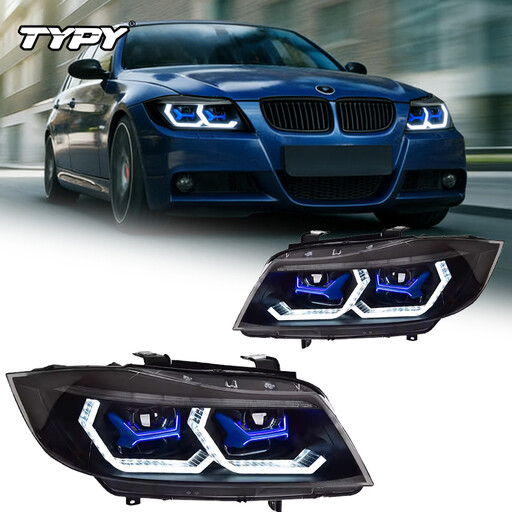
Why we chose it: More than just a bulb, this is a complete headlight assembly. It's the ultimate solution for owners of halogen-equipped BMW E90s (2005-2012) who dream of a radical transformation, complete with the famous "Angel Eye" daytime running lights.
By replacing the entire headlight assembly, it bypasses issues with beam pattern and physical fit. The manufacturer honestly states that coding may be required, which prevents the unpleasant surprise of CAN bus errors.
An all-in-one solution that transforms both aesthetics and performance, custom-designed for a specific vehicle model.
We have curated a complete selection of products that meet our quality and safety criteria.
Regulations can be strict: to be fully compliant, an LED kit may need to be officially approved for your specific car model. In practice, many kits are sold with a "for off-road use only" disclaimer. However, a high-quality kit that respects the original beam geometry and doesn't dazzle other drivers is unlikely to fail a technical inspection. In any case, having a professional check and adjust the headlight alignment after installation is highly recommended.
Not always, but price is often a good indicator of component quality. A higher price is usually justified by brand-name LED chips (e.g., Philips, Cree), a more efficient and quieter cooling system (ball-bearing fan, solid copper heat sink), and a more advanced CAN bus module. Entry-level models cut corners on these aspects, which directly impacts their reliability and lifespan.
For most "plug-and-play" kits, the installation is simple enough for an experienced DIYer to complete in a matter of minutes. However, if the installation requires more complex steps, such as removing the bumper (a common requirement on some models), or if electronic errors persist, hiring a professional is the wisest course of action.