
Livraison le jour même ou le lendemain

Qualité garantie

Débloquez vos offres de bienvenue: Livraison GRATUITE | Jusqu'à -80 % | 30 jours d'essai gratuits à JoyPlus
Téléchargez l'application
Switching to LEDs for your car promises a lighting revolution: better visibility, a vastly improved lifespan, and reduced energy consumption. However, the market is saturated with options and marketing claims that can quickly turn this simple upgrade into a real headache. Too many drivers end up with bulbs that trigger error messages, illuminate the road poorly, or fail after just a few months.
Before you start, it's essential to know the two most common pitfalls to make a truly informed choice.
To avoid these setbacks, focus on a few objective technical specifications. They will help you filter the options and find a product that is genuinely suited to your needs.
This is the non-negotiable starting point. Each location on your vehicle (low beams, high beams, turn signals, interior lighting) uses a specific type of bulb, identified by a code called the "base".
Once you've identified the base, the Canbus system comes into play. To avoid the error messages mentioned earlier, choose an error-free Canbus car LED. These models integrate a resistor that simulates the power consumption of a halogen bulb, thus tricking the onboard computer. This is virtually essential for the majority of modern European vehicles.
Raw lumen output isn't everything. Two other factors are crucial for your safety and driving comfort.
Rather than an endless list, here are our targeted recommendations based on your profile.
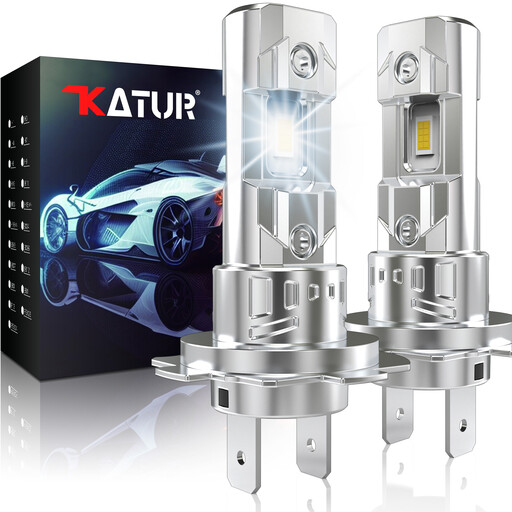
Our take: The perfect choice for a simple, reliable, and hassle-free upgrade. The installation is direct, with no modifications needed, and the fanless design eliminates a potential source of noise and failure.
Its compact "1:1" design guarantees a perfect fit in the original housing, producing a clean beam pattern that won't dazzle anyone. The integrated Canbus system is designed to prevent dashboard errors on many models.
Ultra-simple plug-and-play installation and a fanless design, ensuring silent operation and durability.
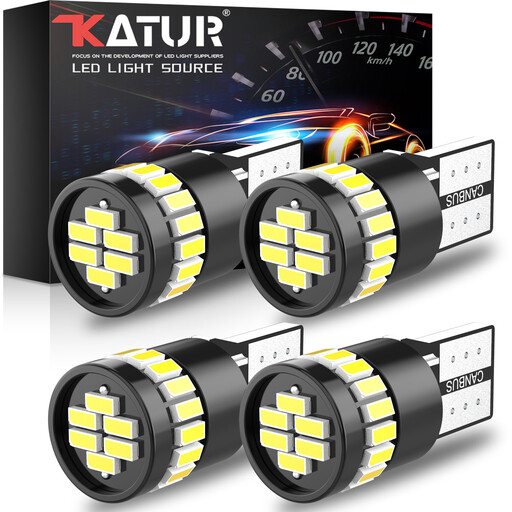
Our take: Essential for modernising your car's interior lighting (dome light, map light) or exterior lights (license plate, sidelights). The 6000K white light gives the cabin an instant modern feel.
These W5W LED bulbs are certified "Canbus Error Free," which puts an end to annoying alerts, even for these smaller lights. The 360-degree light distribution ensures uniform illumination, without the dark spots typical of low-end LEDs.
Unbeatable versatility for a fresh, modern look, both inside and out.
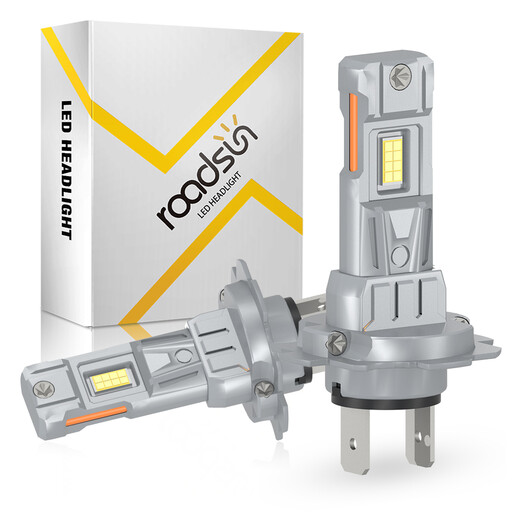
Our take: For those whose absolute priority is to see and be seen. This LED car kit is designed for a spectacular increase in brightness, which is crucial for driving at night or in bad weather.
The 1:1 design ensures this power is projected intelligently, creating a wide, clear beam without glare. The Canbus compatibility is also designed for seamless integration with the vehicle's electronics.
A dramatic visibility boost to better anticipate road hazards.
Discover our full selection of tested and approved products that meet our quality and safety criteria.
Regulations on this are very clear. For use on public roads, LED bulbs installed as replacements for halogens in low beams, high beams, or fog lights must be road-legal or type-approved. This means the kit must have received a specific certification for your vehicle model. For the car's interior lighting or for "off-road" use, these restrictions generally do not apply. It is therefore crucial to check the current legislation in your region before modifying your main headlights.
Generally, most European vehicles produced after 2005 are equipped with a bulb monitoring system and will therefore require an error-free Canbus car LED. If your car is older or a non-European brand, a standard model may be sufficient. The surest way to know is to consult forums dedicated to your vehicle model.
For the majority of modern kits, the installation is "plug-and-play". It simply involves unplugging the old bulb and plugging in the new one. However, access to the headlight housing can be more or less difficult depending on your car model. Make sure you have some space to work and always handle the bulbs with care (ideally with gloves) to avoid leaving fingerprints on the LED chips.