
Livraison le jour même ou le lendemain

Qualité garantie

Débloquez vos offres de bienvenue: Livraison GRATUITE | Jusqu'à -80 % | 30 jours d'essai gratuits à JoyPlus
Téléchargez l'application
A dead battery: every driver's nightmare. That dreaded click from an ignition that won't turn over, always at the worst possible moment, is a situation nearly all of us have experienced. While traditional jumper cables were long the only solution, they require a second, helpful vehicle. Fortunately, the jump starter, also known as a portable car starter, offers a modern and completely self-sufficient alternative.
This compact yet powerful device can restart your vehicle in minutes, without anyone else's help. However, with an overwhelming number of options on the market, it's easy to get lost. This guide is here to help you make sense of it all and choose the model that truly fits your car and your needs.
Before diving into our top picks, let's review the key criteria for making the right choice.
A jump starter's number one feature is its power. This is expressed in peak amps (A). This value determines its ability to deliver the necessary jolt to start the engine.
Always check that the car starter is compatible with your vehicle's engine.
The capacity of the jump starter's internal battery, measured in milliamp-hours (mAh), determines how long it lasts. The higher the capacity, the more starts you can perform before needing to recharge it.
Today, most models are true Swiss Army knives, also functioning as a car power bank. Look out for features that might be useful to you:
Safety is non-negotiable. A good jump starter must include a full suite of safety features: reverse polarity, short-circuit, overload, and overheat protection. The quality of the clamps (sturdy, well-insulated) is also an excellent indicator of the product's reliability and durability.
And for an emergency car kit that's truly ready for anything, don't stop at the jump starter. A dead battery is just one of many unexpected roadside issues. A cordless impact wrench, for example, can turn the ordeal of changing a tyre into a quick and easy job.
We have selected products that meet a range of needs, from a simple boost in an emergency to more regular car maintenance.
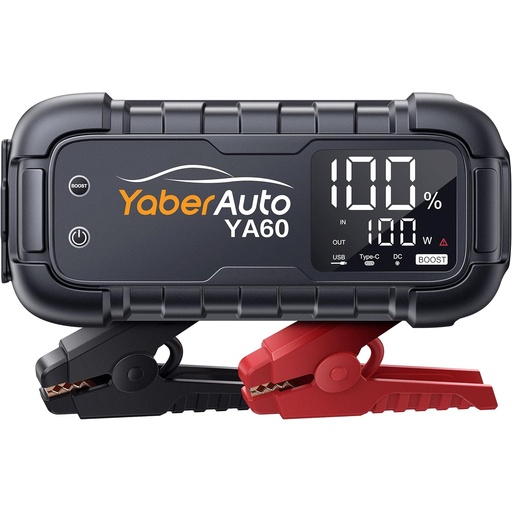
Why it stands out: This powerhouse is built for the most demanding needs. With a peak current of 8000A, it can start nearly any 12V vehicle, including large diesel engines up to 12.0L. Its secret weapon? 65W two-way fast charging, which can recharge it to 100% in 1.5 hours and even power a laptop.
Pros:
Who is it for? Owners of SUVs, trucks, RVs, or vehicles with large diesel engines. It's also the perfect companion for adventurers and outdoor enthusiasts who need a reliable and versatile power source.
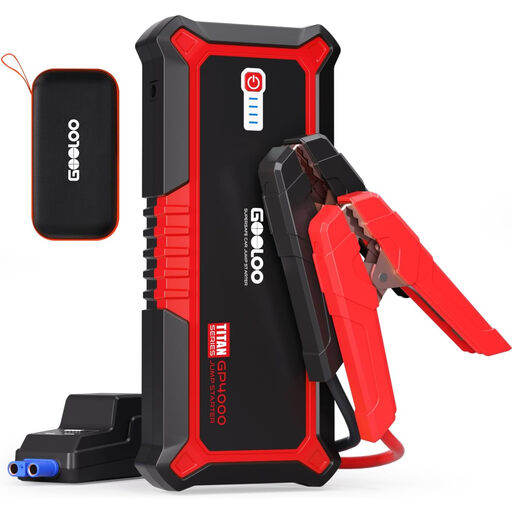
Why we love it: The GOOLOO GP4000 is the sensible choice, offering an excellent balance of power, reliability, and durability. Its 4000A peak current is enough to start all gas engines and diesel engines up to 10.0L. The focus is on safety, with 10 protection levels and all-metal clamps built to last.
Pros:
Who is it for? The everyday driver of a car, motorcycle, or light-duty truck. It's a reliable and versatile tool for complete peace of mind, whether on daily commutes or holiday road trips.
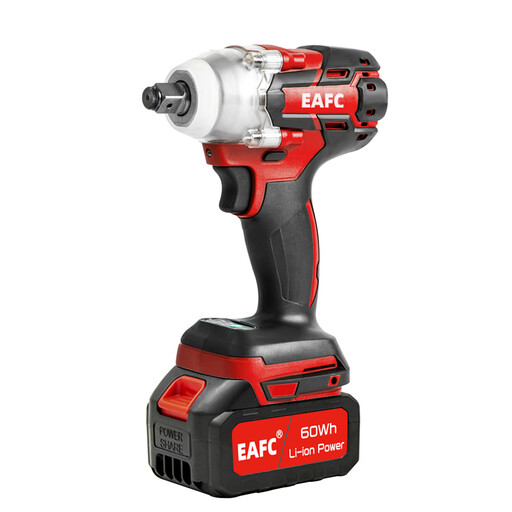
Why it's a great addition: It's not a jump starter, but it's the logical next step for any driver who wants to be truly self-sufficient. This cordless impact wrench turns the ordeal of changing a wheel into a simple task. Its 200 N.m of torque tackles the most stubborn lug nuts effortlessly.
Pros:
Who is it for? DIYers, mechanics enthusiasts, and anyone who wants to be able to change a flat tyre quickly and without breaking a sweat. An excellent addition to your emergency car kit for fully independent car maintenance.
The jump starter is the ultimate modern solution, but good old jumper cables remain a budget-friendly and viable option for many. If you're more of an old-school type or simply want to explore other car accessories for battery management, a whole range of choices is available to you.
To discover a wider range of accessories, including traditional jumper cables, feel free to browse our dedicated category.
It all depends on your engine's size and type. For a small gas-powered city car, 1,000A is more than enough. For a diesel SUV, aim for at least 2,000A. Always refer to the manufacturer's recommendations and your vehicle's engine displacement. When in doubt, always opt for a slightly more powerful model; it's a smart precaution, especially in winter when batteries are under more strain.
No, and this is a common misconception. The two devices should not be confused. A jump starter delivers a very short but extremely powerful burst of current, just enough to turn over the engine. In contrast, a battery charger is designed to slowly and deeply recharge a battery over several hours. A jump starter is an emergency solution; it is not a replacement for a charger for regular battery maintenance.
A good lithium-ion jump starter can last for several years. Its lifespan depends on the quality of its components, but most importantly, on its maintenance. The best practice to preserve its internal battery is to remember to recharge it every 3 to 6 months, even if you haven't used it. This simple step is enough to maintain its performance and significantly extend its lifespan.