
Livraison le jour même ou le lendemain

Qualité garantie

Débloquez vos offres de bienvenue: Livraison GRATUITE | Jusqu'à -80 % | 30 jours d'essai gratuits à JoyPlus
Téléchargez l'application
A flat tire on the side of the road or DIY maintenance in the garage?? A reliable car jack is simply essential. But with an overwhelming number of models to choose from, it's not easy to navigate the options?: hydraulic jacks, scissor jacks, lifting capacity, height... This no-nonsense guide is here to help you see clearly and make the right choice for your vehicle.
As a product expert at Joybuy, my mission is to give you practical advice to find the perfect tool, without the marketing jargon.
Before diving into our top picks, let's review the key factors that will guide your decision.
Lifting capacity, expressed in tons, is THE number one criterion. Be careful, this doesn't refer to the total weight of your vehicle?! A jack only lifts one side of the car, which is about half of its total mass.
The golden rule?? Choose a jack with a capacity that is at least 70% of your vehicle's curb weight.
There are two main technologies on the market, each with its own strengths.
The lifting range (minimum and maximum height) is crucial to ensure the jack will fit under your car and lift it high enough.
We have selected three models that stand out for their reliability, safety, and excellent value, each tailored to a specific need.
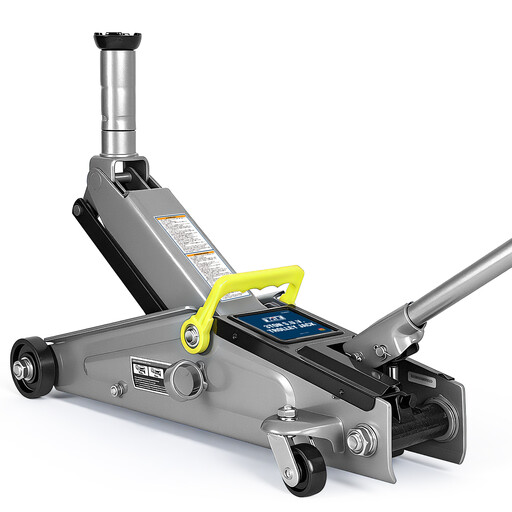
Why we love it?: this trolley jack is a beast of durability. With its reinforced steel frame and 3-ton capacity, it's not afraid of heavy loads. Its wide lifting range (from 150?mm to 530?mm) makes it compatible with almost all vehicles, including SUVs and minivans. And for peace of mind while you work, it's equipped with an overload protection safety valve and is CE certified.
Advantages?:
Who is it for? Owners of SUVs, minivans, or utility vehicles who perform their own maintenance and want a powerful, safe tool.
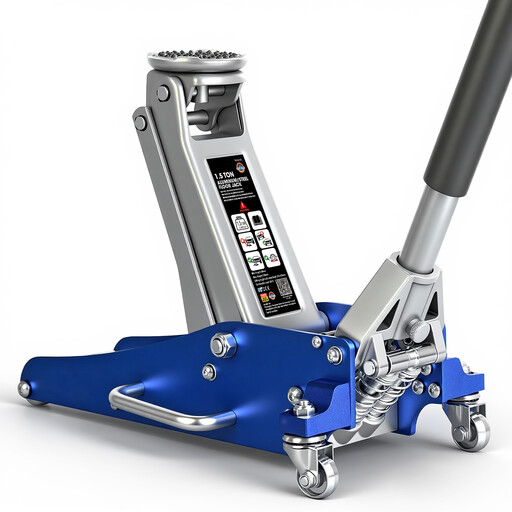
Why we love it?: this jack is the solution for low-ground-clearance vehicles. With a minimum height of just 90?mm, this low-profile jack slides effortlessly under the chassis of sports cars and lowered sedans. Its aluminum alloy design makes it very lightweight (14.3?kg), a real bonus for taking it to the track or for roadside assistance. The cherry on top is its dual-pump system, which ensures ultra-fast lifting.
Advantages?:
Who is it for? Car enthusiasts with a sports car or a lowered vehicle, and anyone looking for a high-performance, easy-to-transport jack.
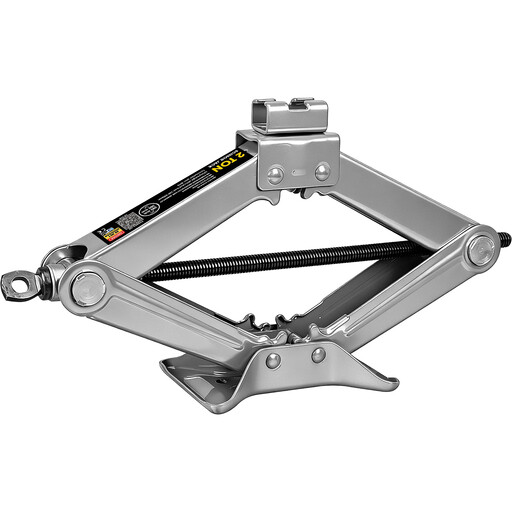
Why we love it?: this scissor jack is the ultimate practical tool. Foldable and ultra-compact, it fits easily in the spare tire compartment. Don't be fooled by its size?: it offers a working capacity of 1 ton (with a maximum load of 2 tons) and a lifting range of 120 to 395?mm, perfect for most sedans and small SUVs. Its well-designed crank handle makes it simple and effortless to use, making it the ideal companion for changing a tire anywhere, anytime.
Advantages?:
Who is it for? All prepared drivers who want a reliable and discreet emergency jack in their trunk, so they're never caught off guard by a flat tire again.
Our selection covers the most common uses, but every car and every driver is unique. If the perfect jack for you isn't here, or if you're looking for other equipment for your garage, feel free to explore our full catalog.
Discover Our Full Range of Car Accessories and Tools
The rule is simple?: aim for a capacity of about 70% of your car's curb weight. Since the jack only lifts part of the vehicle, this provides a perfect safety margin. For example, for a 2-ton car, a 1.5-ton jack is sufficient. For a 2.5-ton SUV, a 3-ton jack is a safer bet.
The scissor jack is mechanical (you turn a crank). It's compact and inexpensive, perfect for roadside emergencies. The hydraulic jack (trolley or bottle) works using pressurized oil. It is much faster, more stable, and requires less effort. It's the top choice for regular use in the garage.
It all depends on your car's ground clearance. Take a tape measure and check the distance between the ground and the jacking point indicated in your owner's manual. If it's less than 15?cm, a low-profile jack (or low-clearance car jack) is not just recommended, but often essential to avoid damaging the underbody.