
Livraison le jour même ou le lendemain

Qualité garantie

Débloquez vos offres de bienvenue: Livraison GRATUITE | Jusqu'à -80 % | 30 jours d'essai gratuits à JoyPlus
Téléchargez l'application
A frigid winter morning. Silence. You turn the key, and... nothing. Your car refuses to start. Or maybe after a meticulous wash, your car's body still lacks that coveted mirror-like shine. These common frustrations, known to every driver, have simple solutions: the right equipment. But the market is a jungle of marketing promises where it's easy to get lost and make a purchase you'll regret.
As the Equipment Category Editor at Joybuy, my mission is to guide you through this jungle. Let's cut the technical jargon and get straight to the point: here's what really matters for making the right choice, whether you're a prepared driver, a weekend mechanic, or a detailing enthusiast.
Before we even look at products, let's expose the three most common traps that drain motorists' wallets.
To avoid falling into these traps, here are the technical specifications you should really focus on.
The battery booster is the essential accessory to keep in your glove box. Instead of being mesmerised by peak amps, check these two crucial points:
Taking care of your battery is the key to its longevity. A good charger should offer:
For a pro-level finish, a buffer polisher is an excellent investment.
Here are a few options that cater to distinct user profiles, taking into account our performance and safety criteria.
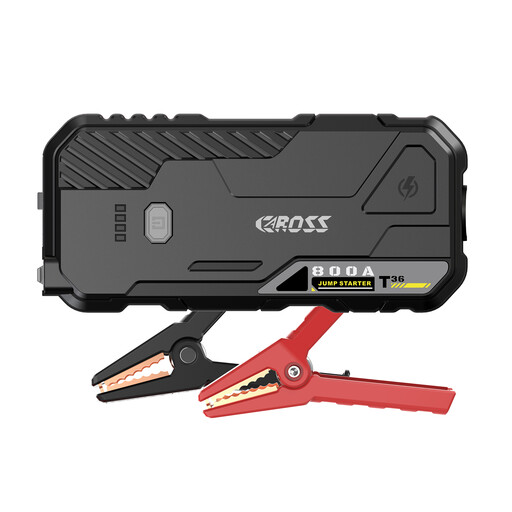
Why we chose it: It's the perfect emergency solution: reliable, discreet, and effective. Compact enough to fit in the glove box, it provides peace of mind without ever cluttering the trunk. The essential tool for handling an unexpected battery failure.
It doesn't play the numbers game with inflated peak figures. Its 800A is more than enough for most petrol cars and small diesel engines. Honest performance for emergency use.
Includes essential protections (spark-proof, reverse polarity) and a Boost function for very weak batteries, all in an ultra-compact format.
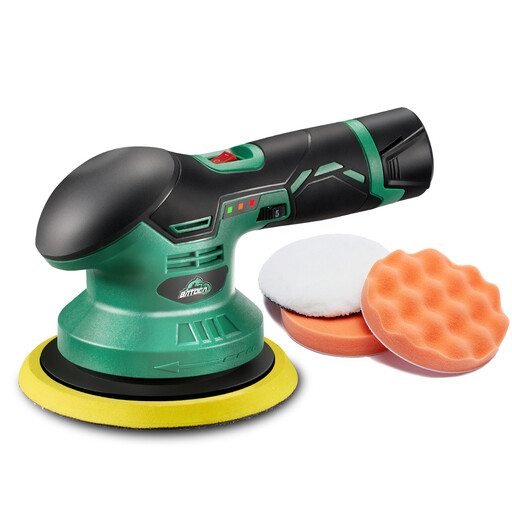
Why we chose it: For the discerning enthusiast who wants a professional result at home. The freedom of cordless, combined with a safe orbital motion, allows you to work on the entire car body without being hindered by a cable or risking damage to the paint.
It sidesteps the battery life trap with its 2.0 Ah battery and fast charger. Its lightweight design (around 1.4 kg) and orbital action make it comfortable and durable, even for a full session.
The 6-speed setting (2500-5000 RPM) offers great versatility for applying waxes, sealants, and polishing compounds with optimal precision.
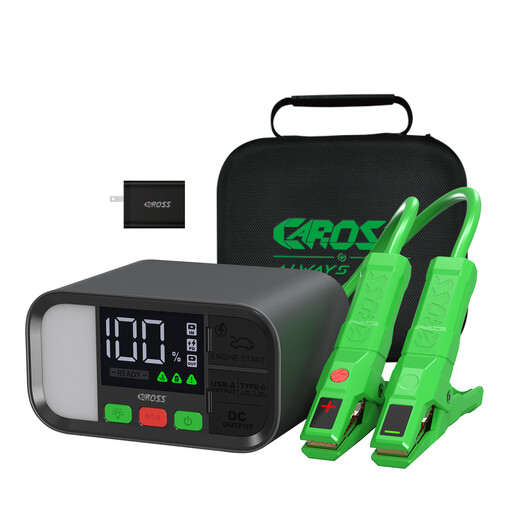
Why we chose it: For owners of large vehicles (SUVs, diesel engines up to 4.0L) or those who want a tech Swiss Army knife capable of charging a laptop in the middle of nowhere. A powerful and truly smart tool.
Here, power is paired with technology that makes a difference. The Smart Connect system with its non-polarised clamps makes connection errors impossible. A real relief in a stressful situation.
The bi-directional PD 65W output not only recharges the jump starter at lightning speed but also allows it to be used as a powerful power bank for the most demanding devices, like a laptop.
We've curated a complete list of products that meet our strict specifications and safety standards.
No, not if you choose a quality model. Modern boosters integrate multiple protections to eliminate this risk. Reverse polarity protection cuts the circuit if you connect the clamps incorrectly. Spark-proof and short-circuit protections add an extra layer of safety, making them safe to use, even for a novice.
A well-maintained lithium-ion booster can last for several hundred charge cycles, which translates to many years of use. To maximise its longevity, the secret is simple: recharge it every 3 to 6 months, even if you don't use it, and store it away from extreme temperatures (not in a car under the hot sun or in freezing conditions).
With a modern, smart charger, not only can you, but it's actually recommended! Unlike old chargers that needed constant supervision, a model like the EAFC is designed for this. Once the battery is full, it automatically switches to maintenance mode (or trickle charging). It then sends only a very small current to compensate for natural self-discharge. This is the best way to keep a battery in top condition during winter storage or long periods of inactivity.