
Livraison le jour même ou le lendemain

Qualité garantie

Débloquez vos offres de bienvenue: Livraison GRATUITE | Jusqu'à -80 % | 30 jours d'essai gratuits à JoyPlus
Téléchargez l'application
A check engine light on the dashboard? It's often the start of anxiety and the fear of a hefty garage bill. Fortunately, with the right equipment, many common faults can be easily identified, and even repaired by you. A diagnostic tool gives you the keys to understand what's happening under the bonnet, perform certain maintenance tasks yourself, and ultimately, take back control of your vehicle's upkeep.
But here's the catch: the market is flooded with models making sometimes misleading claims, and it's easy to get ripped off. To prevent you from throwing your money away, let's review the mistakes you absolutely must not make before choosing.
To make an informed choice, you need to understand a few technical concepts that make all the difference between a gimmick and a true ally for your car.
The first distinction to make is between a simple fault code reader and an all-system diagnostic tool.
For the DIY mechanic, the real added value lies in the maintenance functions, also known as "service functions." Here are the most common ones:
To go a step further, bi-directional control (or active test) is a high-end feature. It allows you to send commands to vehicle components (activate a fan, test a solenoid valve, open/close windows) to check their operation without having to dismantle them. It's a huge time-saver for troubleshooting.
The longevity of your investment depends on two factors: vehicle coverage and the update policy.
Rather than an endless list, we've matched tools to user profiles to help you find the one that truly fits your needs.
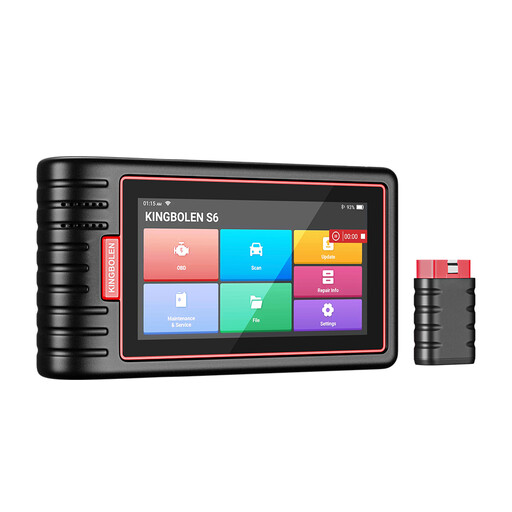
Why it's the right choice: Ideal for those who want to go beyond simple engine code reading. It allows you to diagnose the main systems of your household's cars, inspect a used vehicle, and perform the most common maintenance tasks (oil changes, brakes) from your smartphone.
It offers a complete all-system diagnosis and 28 service functions with free lifetime updates. This helps you avoid the trap of hidden subscriptions and scanners limited to just the engine.
Excellent feature-to-price ratio. The Bluetooth connection and mobile app make it very easy to use, even for a novice. CAN FD protocol support is a plus for recent vehicles.
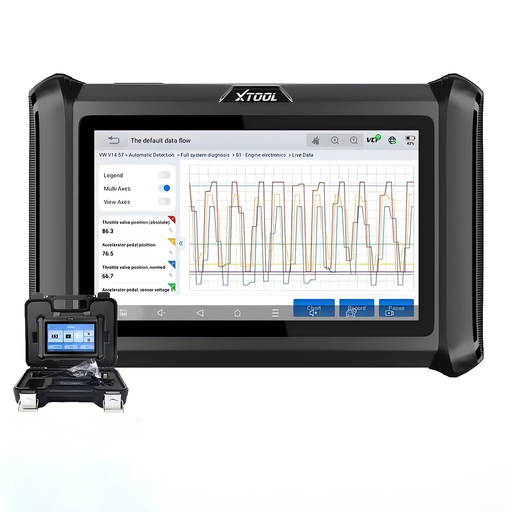
Why it's the right choice: Perfect for the home mechanic who juggles multiple vehicles and needs advanced functions. Bi-directional control allows for active testing of components, and the numerous service functions cover almost all maintenance needs.
It offers OE-level (Original Equipment) diagnostics and advanced functions like ECU coding and CAN FD/DoIP/FCA protocol support. It surpasses basic tools that are blocked by modern electronic architectures.
Full bi-directional control and over 39 service functions. The 3 years of included updates offer excellent long-term value, approaching the capabilities of a professional tool.
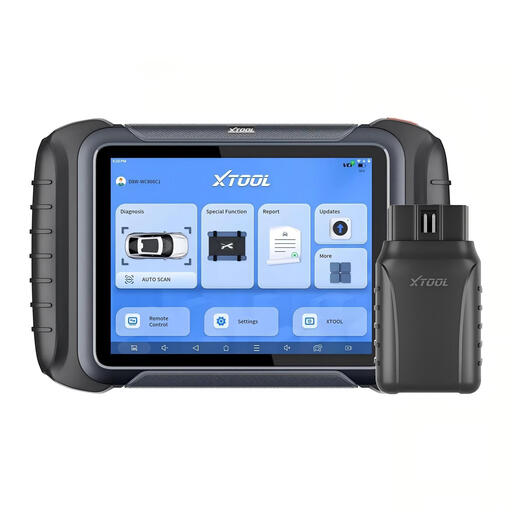
Why it's the right choice: Designed for pure efficiency. The stable wireless connection offers great freedom of movement around the vehicle. The module topology mapping provides an instant overview of the vehicle's status, significantly speeding up the initial diagnosis.
Its advanced wireless connectivity (direct Wi-Fi VCI) is faster and more stable than Bluetooth. DoIP protocol support ensures compatibility with the latest high-end vehicles, avoiding the trap of obsolete protocols.
Professional features like topology mapping and AI assistance, usually reserved for much more expensive equipment. The 3 years of included updates make it a cost-effective tool for heavy use.
We have compiled a comprehensive and up-to-date list of products that meet our strict selection criteria and market standards.
No. Most tools comply with the OBD2 standard, which has been mandatory in Europe for petrol vehicles since 2001 and diesel vehicles since 2004. However, compatibility for advanced functions (ABS diagnostics, airbags, specific resets) varies considerably depending on the vehicle's make, model, and year. It is therefore crucial to check compatibility with your car for the functions you need before any purchase.
It depends on the model. Some tools, especially professional-grade ones, require annual subscriptions for software updates. Fortunately, many models aimed at consumers and enthusiasts now offer free lifetime updates. This is a major selection criterion to ensure your investment is cost-effective in the long run.
For functions like reading codes and viewing live data, the risk is virtually zero. However, when using advanced functions like ECU coding or active tests, it is essential to follow the instructions very carefully. A mistake during coding could alter the operation of certain equipment. For a beginner, it is advisable to become familiar with the basic functions before venturing into more complex operations.